


How a member of The Monkees invented MTV

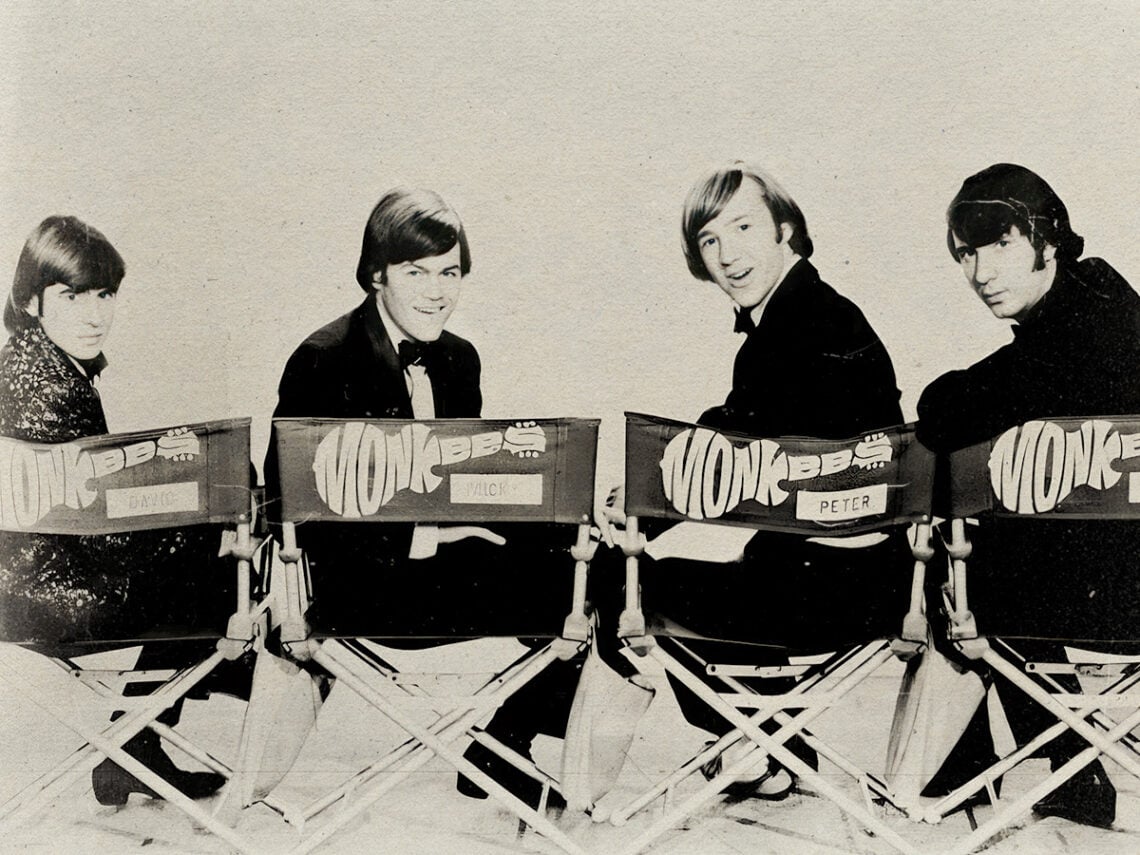
The Monkees may have been more manufactured than Ikea furniture, but there was genuine charm and spark underneath all the kids’ TV corniness. Unfortunately, because they began life as a Beatles cash-in, even in their 1960s heyday, they never really stopped being perceived as such. However, the group desperately wanted to be more than that. This didn’t just extend to the music either. Fittingly considering their TV heritage, The Monkees wanted to revolutionize the way music was portrayed on screen.
Which makes sense on a number of levels. For one, if certified classics like ‘Last Train To Clarksville’ and ‘Daydream Believer’ aren’t going to convince people you’re a legit pop group then basically nothing will. More relevant here is the fact that The Monkees, for all their musical talent, were actors first and foremost.
While the producers were initially keen to cast an existing band as the titular group (and initially eyed up The Lovin’ Spoonful as the ideal candidates), the musical experience Davy Jones, Mickey Dolenz, Peter Tork and Mike Nesmith had was mainly the stage kind. Case in point, when the band was put together, none of them was a drummer. It was a problem, considering that the band on the show very much had a drummer.
In 1967, long after The Monkees had become international celebrities with one of the most beloved TV shows on the air, the band used their fame to force the hand of their producers. The boys took full creative control of the project, writing and recording their music and putting their first full-length movie into production. Like any bunch of self-respecting 20-somethings in the late 1960s, the boys had caught the hippy bug, and if the result, the 1968 commercial Hindenburg Head, is anything to go by, it was a terminal condition.
However, the boys did the best thing you can do when a creation of yours blows up in your face, they learned from it. Especially Mike Nesmith, who seemed to be keeping careful notes of all that was happening here. Once the band split in 1970, Nesmith’s solo outfit, The First National, achieved some of the critical success and clout that had prevented him from being in the Monkees. However, it wouldn’t be until 1974 that he’d happen upon what would truly define his post-teeny-bopper legacy.
With an eye on a future career outside of music, Nesmith put together the Pacific Arts Corporation in 1974. This was to release a project called The Prison, an album/novella combo too ambitious for any one record label or publishing house to fund, so he decided to start his own multimedia company just to release it. This led to working with many artists on their own projects, with a particular focus on developing the then-nascent idea of the music video.
1977 was when the ball really started rolling, though. Nesmith released the single ‘Rio’, and while it stalled in his native country, it started getting airplay in countries all over the world. Nesmith produced a music video to promote it in those countries and was struck by two things. First, by how many countries had dedicated TV shows for music videos, and secondly, by how the United States did not. Nesmith, along with his Pacific Arts Corporation brain trust, put together a pitch for a TV show they called Popclips.
After shopping the pitch around, Warner Communications gave them the green light to make a pilot, and work began in the spring of 1979. In 1980, the show was given a prime, 30-minute slot on Nickelodeon and was a rating hit, so much so that the channel’s owners, Warner Cable, approached Nesmith with an offer to buy the name and idea. While Nesmith and PAC mulled over the offer, the corporation did what corporations do and, in the words of the show’s director William Dear, “watered down the idea and came up with MTV.”
It’s an unfortunate end to the story, but there’s still something poetic about the first generation of music television being the father of the second. Above all, though, it’s a real testament to Nesmith’s lasting influence and respect that something as monumental as inventing the concept of MTV is a fairly small part of why he was so beloved.
