


“As good as The Beatles”: Why the Left Banke failed to survive the 1960s

Tom Scholz, the late frontman of the band Boston, once talked about the inspiration for his band’s biggest hit, saying, “There was another song out that, whenever I heard it, caused me to pine miserably for this particular girl. That song was called ‘Walk Away Renée’ by The Left Banke”.
Scholz tried to write his own version of that 1966 baroque pop classic, borrowing its desperate, heartbroken energy and a wee bit of its chord progression in 1976 to craft Boston’s epic ‘More Than a Feeling’, in which Renée is swapped out for another unrequited crush named Marianne, and then 15 years later, in 1991, Kurt Cobain was messing around with the guitar riff from Scholz’s song and wound up creating Nirvana’s biggest hit, ‘Smells Like Teen Spirit’. All this being a long-winded way of saying that the music of The Left Banke is deep in the bloodstream of rock history, even if the band itself is rarely discussed among the great hitmakers of the 1960s.
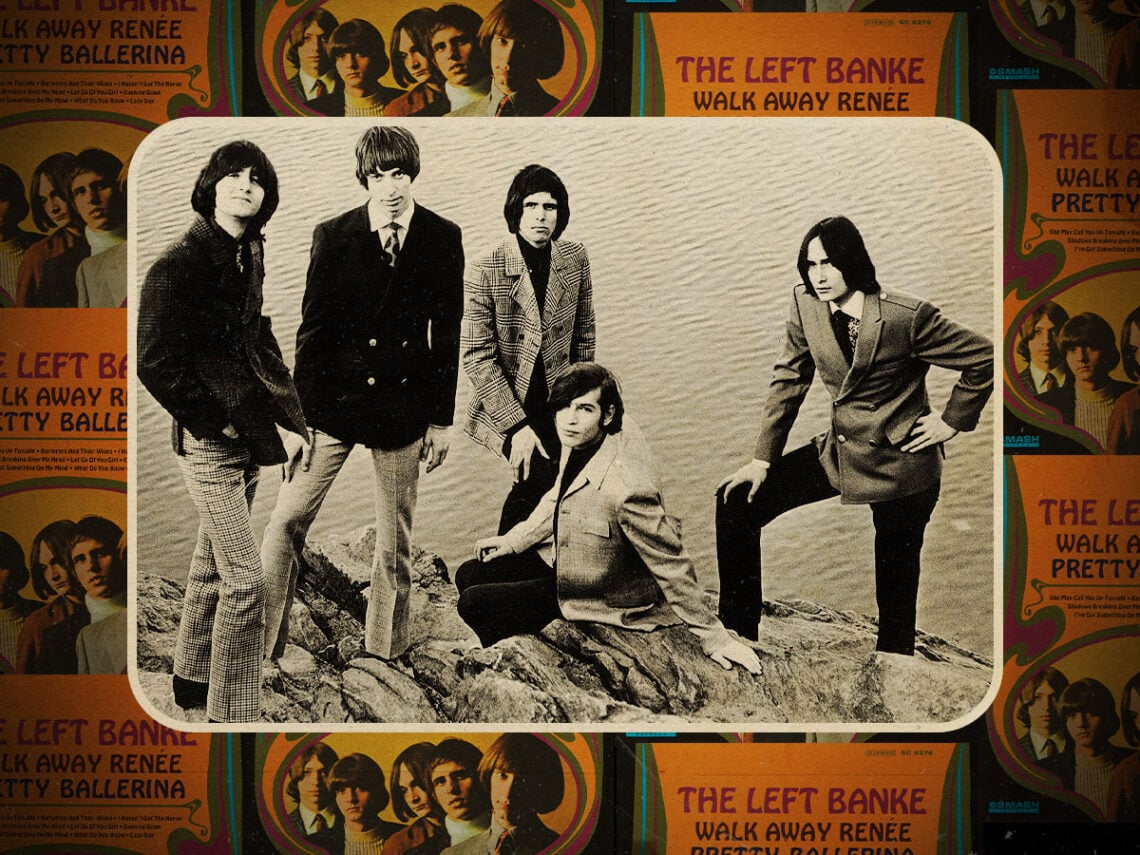
While they had a very British sensibility to them, the original Left Banke were a New York City band through and through, formed somewhat by happenstance in 1965. Aspiring musicians Tom Finn and Steve Martin Caro, both just 16 years old and only recently acquainted with one another, visited a recording studio on 48th Street called World United, hoping to record some songs they’d been working on. Like a lot of kids their age, they’d been swept up in the British invasion, and actually met each other while observing a crowd of screaming girls waiting outside the hotel where The Rolling Stones were staying during an NYC tour stop. Finn and the Spanish-born Caro liked blues rock OK, but their sensibilities leaned a bit more towards Rubber Soul.
“We wanted to be The Beatles, but we also wanted to be as good as The Beatles,” Finn told journalist Scott Schinder in 2011.
Finn had been to the World United studio before with his previous band, The Magic Plants, and he returned now with Caro, the Plants’ drummer, Warren David Schierhorst, and another guitar-playing friend named George Cameron. While there, they met 15-year-old Michael Brown, the son of the studio’s owner and already a bit of a wunderkind pianist and arranger himself.
Unlike other teen-led bands of this period, like Tommy James and the Shondells or the Box Tops, the kid at the creative core of the Left Banke wasn’t just a rock and roll fan, but a classically trained musician, and he also had a very valuable resource at his disposal in the form of his father’s studio.
“I think we all knew from the beginning that we were doing something special,” Finn later recalled, “We’d sing our songs around the piano with Mike [Brown], and it really started to sound good. Then Mike started to write bridges for some songs that Steve and George had written. At the time, Michael and Warren were the only ones who could really play, I had just started playing guitar, so we gravitated towards Michael because he played piano really well and had so much musical knowledge.”
While Michael Brown had the talent, the smarts, the studio space, and the industry-connected dad, Tom Finn had something that Brown was far more envious of: a pretty girlfriend. In the early days of the band, before Brown was even an official member, Finn would occasionally bring his gal pal Renée Fladen into the studio. She was an aspiring singer herself, and a head-turner of the long-legged, blonde-haired, and impeccably styled variety. Brown was smitten and quickly fell into the sort of hopeless heartache chasm that only a teenager can, and where most young Romeos pour their pain into a journal entry, Michael Brown went and wrote one of the finest pop songs of the ‘60s, ‘Walk Away Renée’.
“Just walk away, Renée / You won’t see me follow you back home / Now, as the rain beats down upon my weary eyes / For me it cries”.
Brown later told Rolling Stone that the song, which included contributions from co-writers Tony Sansone and Bob Calilli, was about “loving someone enough to set them free”, which is a bit of a ridiculous perspective for a 15 year-old boy to have about a woman he never had a shot with to begin with, but I suppose it’s somewhat more mature than a “you will be mine” lyric.
Steve Martin Caro handled the lead vocal on the track, but Brown, while trying to record the harpsichord part with Renée herself in the studio, was feeling the song’s power a little too much. “My hands were shaking,” he recalled, “There was no way I could do it with her around, so I came back and did it later”. Brown’s father, the studio owner and session musician Harry Lookofsky, listened in on the music his son was making with these long-haired kids from the neighbourhood, and was impressed with the sophistication of the songs. He offered his services as the Left Banke’s manager and producer, playing an important role in creating their lush, orchestral pop sound.
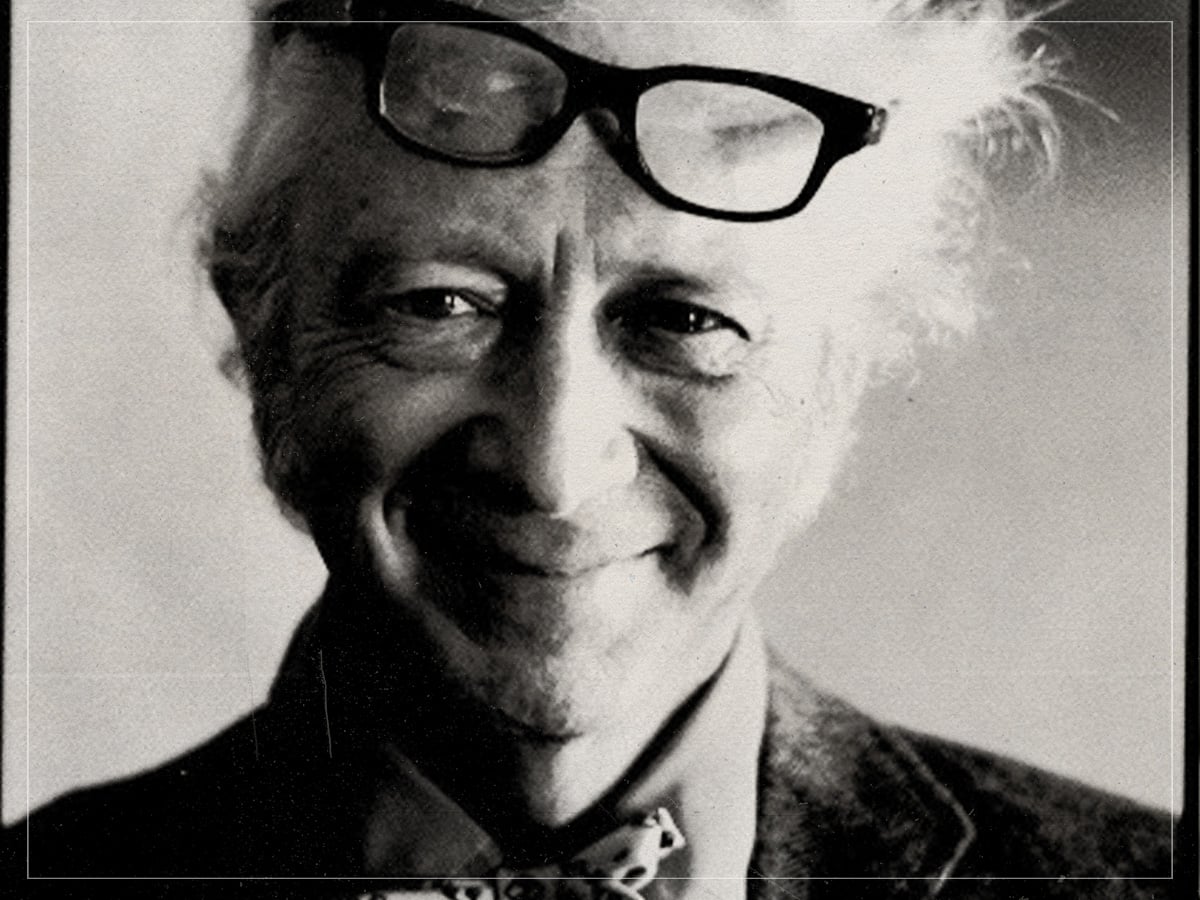
“That started things rolling,” Tom Finn told Mojo in 2002, “But it was also the kiss of death”.
While he believed they had commercial potential, Lookofsky didn’t have a great deal of respect for his son’s new friends as potential captains of their own destiny. He used his power to direct the course of recording sessions, and quickly ousted one of the band’s original members, Warren David-Schierhorst, supposedly because he didn’t care for the drummer’s bisexual lifestyle (David-Schierhorst was transgender, and would later change her name to Lisa).
‘Walk Away Renée’ was released as the Left Banke’s debut single in July of 1966, and immediately captivated listeners, racing out to number five on the US Billboard chart. A year later, a cover of the song by The Four Tops found similar success. Just as the Left Banke were entering the conversation among America’s most exciting new pop outfits, though, Michael Brown was already bowing out of the group, claiming he didn’t want to go on tour, pretty understandable for a high school kid. The remaining band members soldiered on, buoyed by the success of Brown’s second ode to Renée Fladen, the top 20 single ‘Pretty Ballerina’, in December of ‘66.
The road wasn’t kind to the new stars of baroque rock, though, as translating the dense beauty and harmonies of their recordings to the stage proved no easy task. “We’d go do gigs and get our asses kicked by local bands with better equipment,” Finn told Mojo, “There were always disagreements with Michael’s father. They tried to throw Steve, George, and me out of the band, but rehired us two weeks later when they realised the chemistry was gone.”
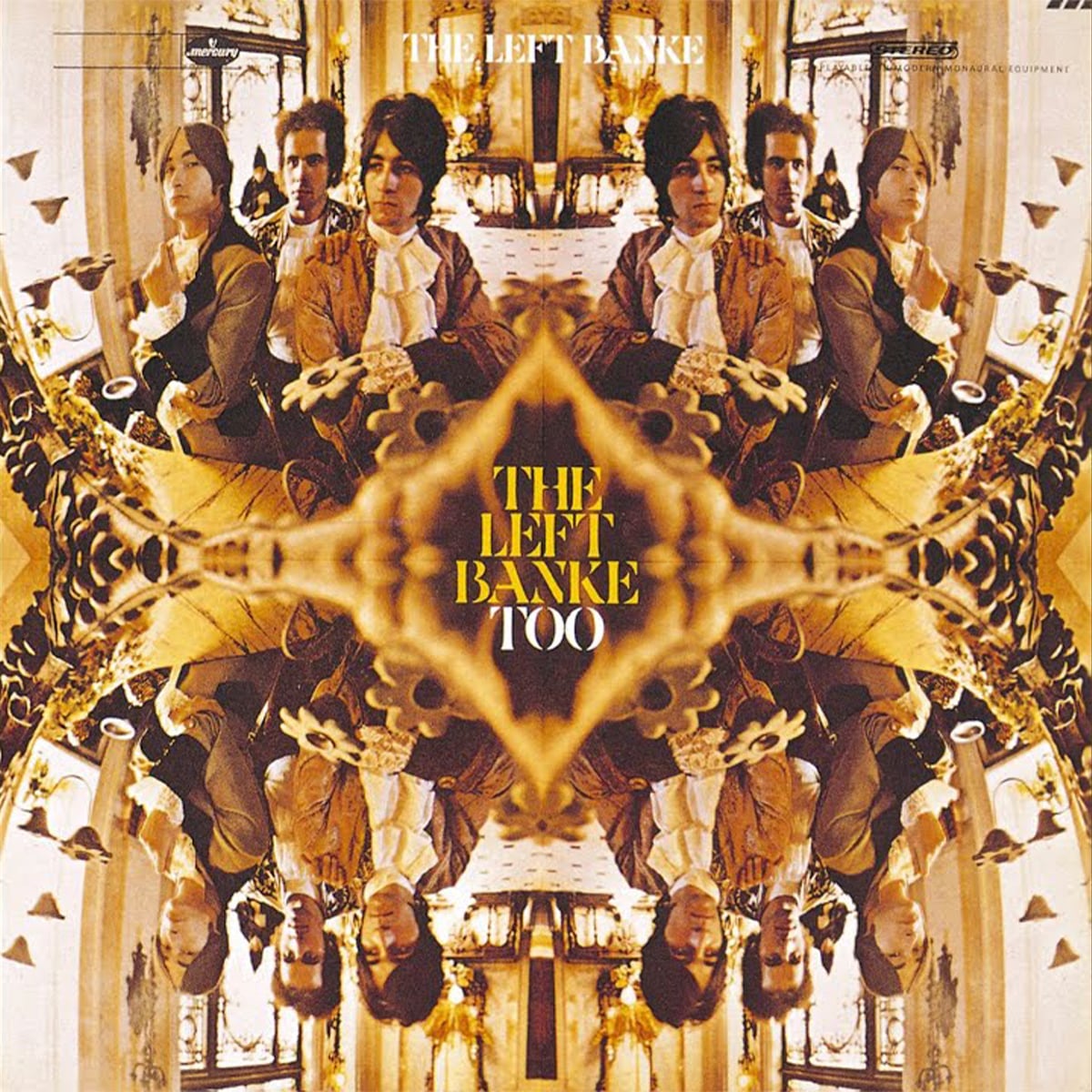
Things got increasingly complicated over the next two years, as The Left Banke briefly split into two competing entities, then reformed for the single ‘Desiree’, then fractured again after the relative disappointment of their second LP, 1968’s The Left Banke Too. “We were still held together by this sophisticated, beautiful vision we had for our music, which by 1969 was under attack by these animal San Francisco bands with no talent,” Finn said.
Finn distinctly remembered the day in 1969 when he heard that The Beatles were breaking up. George Harrison, apparently, had stated his affection for ‘Walk Away Renée’ at some point, so the band had earned their badge of legitimacy. Now, the end of The Beatles felt like an omen.
“We said, ‘Let’s hang it up’,” Finn said, “We did the best we could, we just didn’t want to compete in a Beatle-less world. In later years, we put out some new recordings, but there was no real getting back”.
Throughout the 2000s and 2010s, the Left Banke were increasingly recognised for the unique pop perfection of those records they’d made as kids, and the influence they had on numerous ‘chamber pop’ indie bands like the Divine Comedy and Belle & Sebastian. This led to a number of one-off reunion shows, with most of the original members, including Michael Brown, participating at one point or another. Unfortunately, despite reports of work on new music and a potential full return of the old Left Banke line-up, the fates never quite aligned, and between 2015 and 2020, Brown, Cameron, Caro, and Finn all died at relatively young ages, ending the story roughly 50 years after it started.

Never Miss A Tale
The Far Out Classic Rock Newsletter
All the latest Classic Rock content from the independent voice of culture.
Straight to your inbox.