


Why Radiohead refused to be a part of Britpop: “We don’t really like cocaine”

During the 1990s, Radiohead never slotted into a scene but revelled in their position as outsiders. Rather than attempting to alter themselves to fit into the Britpop movement, the band took up a unique place in the British musical landscape, which they still occupy today.
Much to Radiohead’s dismay, their sophomore album, The Bends, was widely labelled as Britpop, which angered the group. It was a scene that they wanted no part of, and they believed it to be a lazy analysis of their output. Radiohead famously prides themselves on progressive sensibilities, and in their view, it was a primitive rehash of previous eras.
Following The Bends, Radiohead diverted away from any Britpop connotations by starting a clean break with OK Computer, a record which was incomparable to any other band at that time. The LP was rightly lauded as a masterpiece, which made the Oxfordshire five-piece show themselves as cut from a different cloth to the rat-pack of Britpop bands who drank at The Good Mixer in Camden.
For Radiohead, distancing themselves from Britpop was about more than image. They viewed the movement as creatively restrictive, rooted too heavily in nostalgia and cultural recycling at a time when they were trying to push their music into unfamiliar territory. That mindset would soon become central to their identity, especially as they embraced more experimental sounds and unconventional songwriting structures.
This opposition also helped cement Radiohead’s reputation as outsiders within British music. While many of their contemporaries thrived on laddish swagger and retro influences, Radiohead positioned themselves in direct contrast, favouring introspection, unease, and sonic experimentation over scene-driven popularity.
“To us, Britpop was just a 1960s revival. It just leads to pastiche. It’s you wishing it was another era.”
Jonny Greenwood
During a 1996 interview with Addicted To Noise that later appeared in The Quietus over a decade later, Yorke explained why the Britpop party scene didn’t interest him. He revealed: “There is one at the moment, apparently. We don’t really like cocaine that much.” Meanwhile, Jonny Greenwood added: “We’re from the wrong city, as well… Oxford.”
Almost two decades later, Radiohead returned to the subject during a discussion with Rolling Stone. Greenwood scathingly commented, “To us, Britpop was just a 1960s revival. It just leads to pastiche. It’s you wishing it was another era. But as soon as you go down that route, you might as well be a Dixieland jazz band, really.”


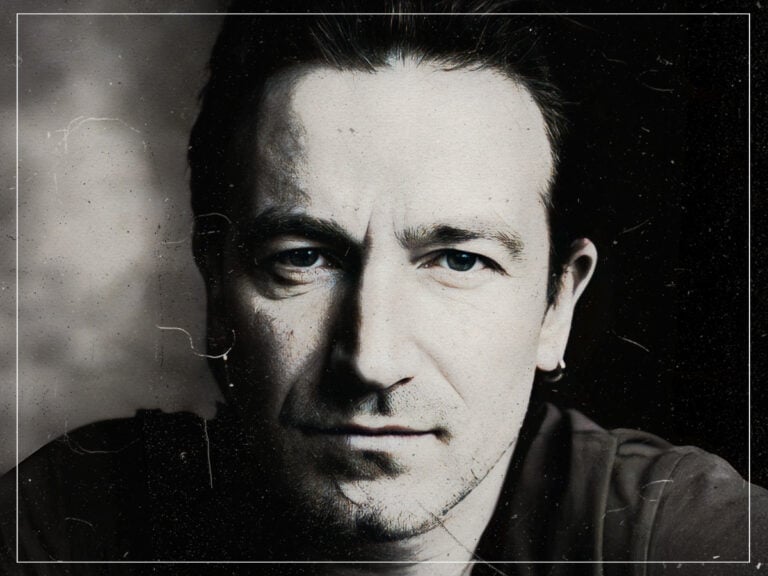
Yorke was more blunt in his brutal analysis of the genre and said, “The whole Britpop thing made me fucking angry. I hated it. It was backwards-looking, and I didn’t want any part of it.”
Interestingly, despite Yorke’s deep-rooted hatred for Britpop, it doesn’t extend to Blur, arguably the genre’s leading light. When speaking to fans at a BBC Maida Vale session back in 2003, the Radiohead frontman revealed their track ‘Girls and Boys’ was the track he wishes he had written. He said, “When I heard that, I was like, ‘bastards!'”
The poster boy of Britpop, Liam Gallagher, holds equal disdain for Radiohead as they do toward him. In a late-night Twitter rant in 2018, he posted: “So I’m in this crazy house every fucker is banging on about the band radio play help”. Gallagher then live-tweeted his analysis of The Bends and added, “The rapping in the middle of the bends taking the piss,” before concluding with, “I’m out”.
While Liam usually doesn’t see eye-to-eye with his brother, Noel, their mutual hatred of Radiohead is one of the few things they have in common. The older Gallagher said in 2007: “Thom Yorke sat at a piano singing, ‘this is fucked up’, for half an hour. We all know that, Mr Yorke… Who wants to sing the news? No matter how much you sit there twiddling, going, ‘We’re all doomed,’ at the end of the day, people will always want to hear you play ‘Creep’. Get over it.”
Ultimately, Radiohead hates Britpop, and the Britpop scene feels similarly about them.
