


The director Jodie Foster never wanted to work with again: “It was very difficult for me”

Some actors have been there and done that so much that they can likely feel the energy of a set, and the movie said energy will produce as soon as they set foot on the lot. One actor who certainly has enough experience to become a successful movie diviner is Jodie Foster.
With a truly inescapably established career which has not only enjoyed big-budget success but arthouse fame, Foster’s career is littered with bright moments that make her one of the most spectacular shining stars in Hollywood. It means that she can likely understand the language of a shoot within only a few days.
Such experience can be a hindrance for an actor. Naturally, as a performer, you have a lot of people trying to guide you into the storyline of the movie. As well as the script providing a guideline, the director on set will most certainly give you some needed help as you progress the character’s story. For an experienced actor, this can sometimes be a challenge. But, for Foster, there was only really one filmmaker with whom she had a somewhat disastrous falling out.
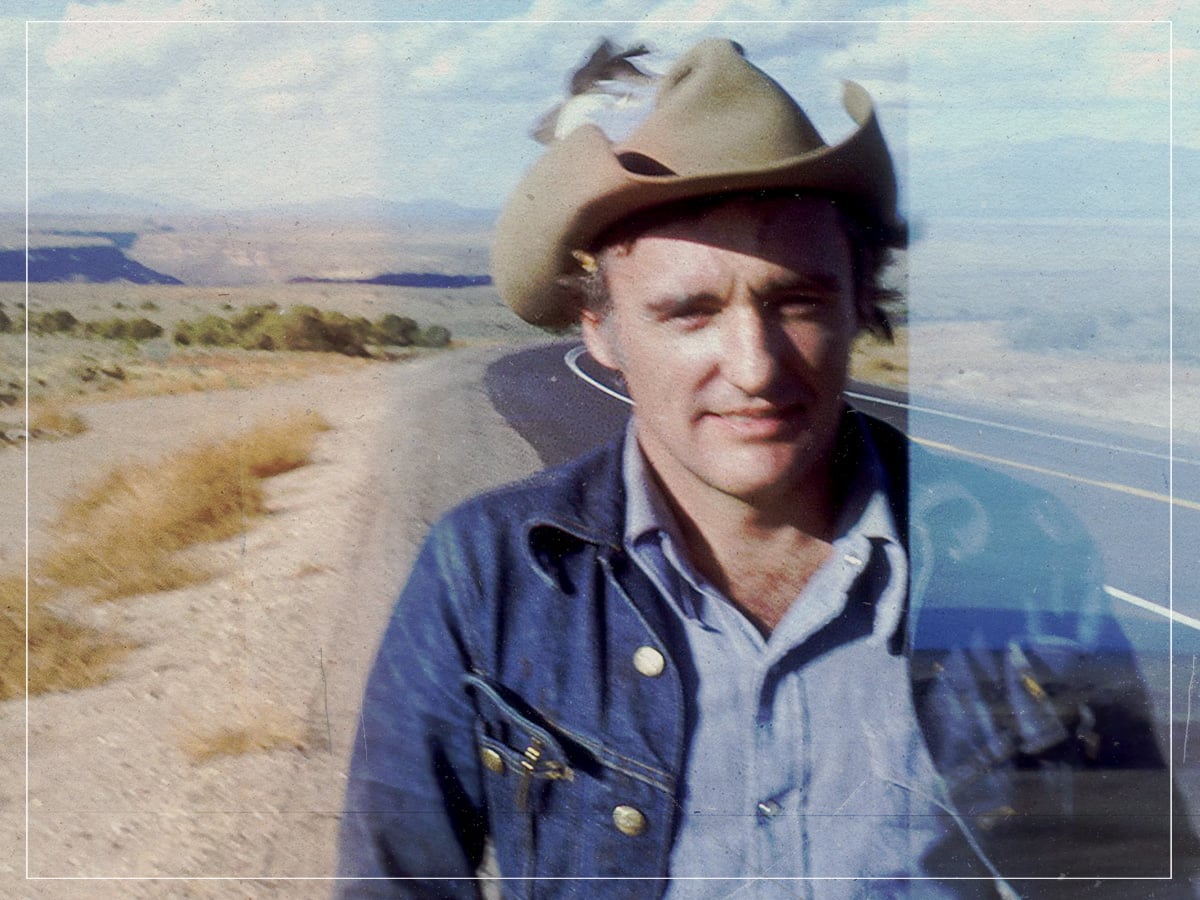
Hollywood wild child Dennis Hopper might have found himself enticed by drugs and drink so intensely that he once snorted a dead woman’s ashes, but that didn’t mean he didn’t have undeniable talent. Hopper’s crazy, excessive lifestyle, which involved doing copious amounts of cocaine and acid, often leading to bizarre run-ins with the police, gave him great notoriety. Yet, despite his shocking behaviour, he made several masterpieces as a director, such as Easy Rider and the incredibly underrated Out of the Blue, giving excellent performances in both, too.
His credits as a director are often overshadowed by his performances, such as his terrifying portrayal of Frank Booth in Blue Velvet, but Hopper made seven feature films as a director. He has often cited a feud he had with someone at Universal Pictures for preventing him from being a successful director, telling The Talks, “Universal Pictures wouldn’t distribute my movie, and that whole fight was the reason that I didn’t direct another movie for twelve years. That is unfortunate, and I never really got back to mainstream Hollywood.”
In 1990, he directed Catchfire, a movie that ended up being so bad that he needed to find multiple ways to save his reputation following its release. His first port of call was changing the director’s credit to ‘Alan Smithee’, a pseudonym used by filmmakers who want to disassociate themselves from a project. After that, he decided to release a different cut of the movie, changing the name to Backtrack.
The movie starred Jodie Foster as an artist who accidentally witnesses a mafia killing. Subsequently, she is targeted by hitmen desperate to silence her. The film was derided by critics, with a general consensus being that it was a bit all over the place. It seemed as though nothing could save the project, which contained a stellar cast, including Hopper, Dean Stockwell, John Turturro, Joe Pesci and Vincent Price.
For Foster, working with Hopper was such a stormy experience that she never wanted to collaborate with him again. She even told Meryl Streep to avoid working with the director, much to his anger. Foster once explained, “I worked with an actor-director who was a major pain. It was very difficult for me. Very difficult,” later revealing that Hopper was the actor-director in question.
The real bust-up occureed when the experienced actor felt as if her morals were being compromised. And, with the power such experience gives any performer decided to call a halt to proceedings and confront her director.
The clash came when Foster shouted “Cut!” while filming a naked shower scene she believed to be “gratuitous”. Hopper was far from impressed, proceeding to “lecture” her on her behaviour. One of the movie’s screenwriters, Anne Louise Bardach, also found Hopper challenging, telling The Express that “Working with Dennis was completely insane”.
It seems as though Hopper’s reckless personality often bled into his professional life, with other actors finding themselves at the receiving end of Hopper’s intense demands, such as Peter Fonda. During the filming of the graveyard hallucination scene in Easy Rider, Hopper kept asking Fonda to imagine his dead mother, saying, “Ask her why she copped out on you.” As far as directors go, it seemed Hopper was rather ruthless, and Foster was simply too well-versed in the profession to allow his unique ways of making movies to affect her personally. It was a battle of wills which would lead to the two stars never working together again.
