


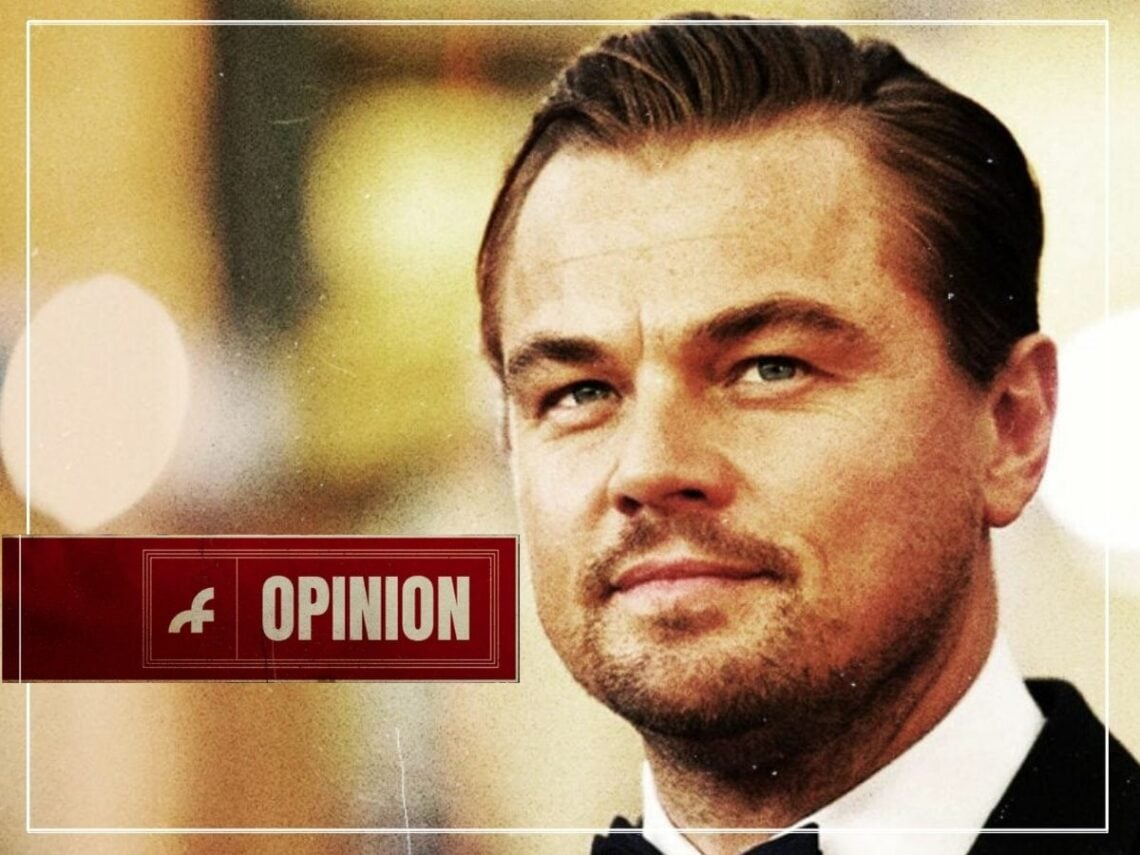
Why hasn’t Leonardo DiCaprio worked with a female director since 1995?

Over the last few years, many people have grown disillusioned with the idea that the film industry has made meaningful progress compared to its past.
The Hollywood elite often pat themselves on the back after issuing vague statements about the importance of diversity, only to slip back into long-standing patterns that never truly went away. This demonstrates how deeply entrenched habits remain in the business of making movies. Audiences have witnessed a slew of hollow promises and uncomfortable silences from directors and actors, with instances such as Emma Stone discussing the importance of feminist values in her work despite having collaborated with only one female director throughout her celebrated career.
It now feels like an open secret that many people in Hollywood genuinely don’t care about these values and the idea of making filmmaking more accessible, especially for those at the top who have grown comfortable with their power and not using it to help others.
There are many examples of this, however, it is most disappointing when coming from those who are at the top; not using their position to help emerging filmmakers find their way and make the medium more accessible. Leonardo DiCaprio is one of the most prolific and popular modern actors, with a slate of roles in some of the most beloved films of the 21st century. But despite being at the top of the game, he has made a habit of working with the same demographic people throughout his career and has only worked with one female director.
While the likes of Nicole Kidman and Kirsten Dunst are actively trying to leverage their power and amplify under-represented voices within the film industry, people like DiCaprio don’t seem to be joining in and making any obvious effort to collaborate with new creatives.
Kidman has spoken about the importance of using her position in the industry to work with new creatives, recently leading to Babygirl with Dutch filmmaker Halina Reijn, which has been praised for its bold exploration of female desire and repression. The reception of this story highlights how transformative it can be to share typically unseen experiences on the big screen, with reaction to the film sparking a wider conversation about the societal discomfort with seeing middle-aged women exploring their sexual identity.
However, very few actors prioritise diversity and inclusion in their work, with actors like Cate Blanchett complaining about this despite being a big enough name to advocate for change and include diversity clauses in her contracts. Unfortunately, the lack of effort from people such as DiCaprio highlights their own disinterest and care about the systemic issues in Hollywood purely because they aren’t affected by them.
People would love to believe that the film industry is far better than it used to be. While there have been some clear improvements, many people still hold enormous amounts of power and do not use it to challenge the norms in any way, making it harder for tangible progress to be made.
