


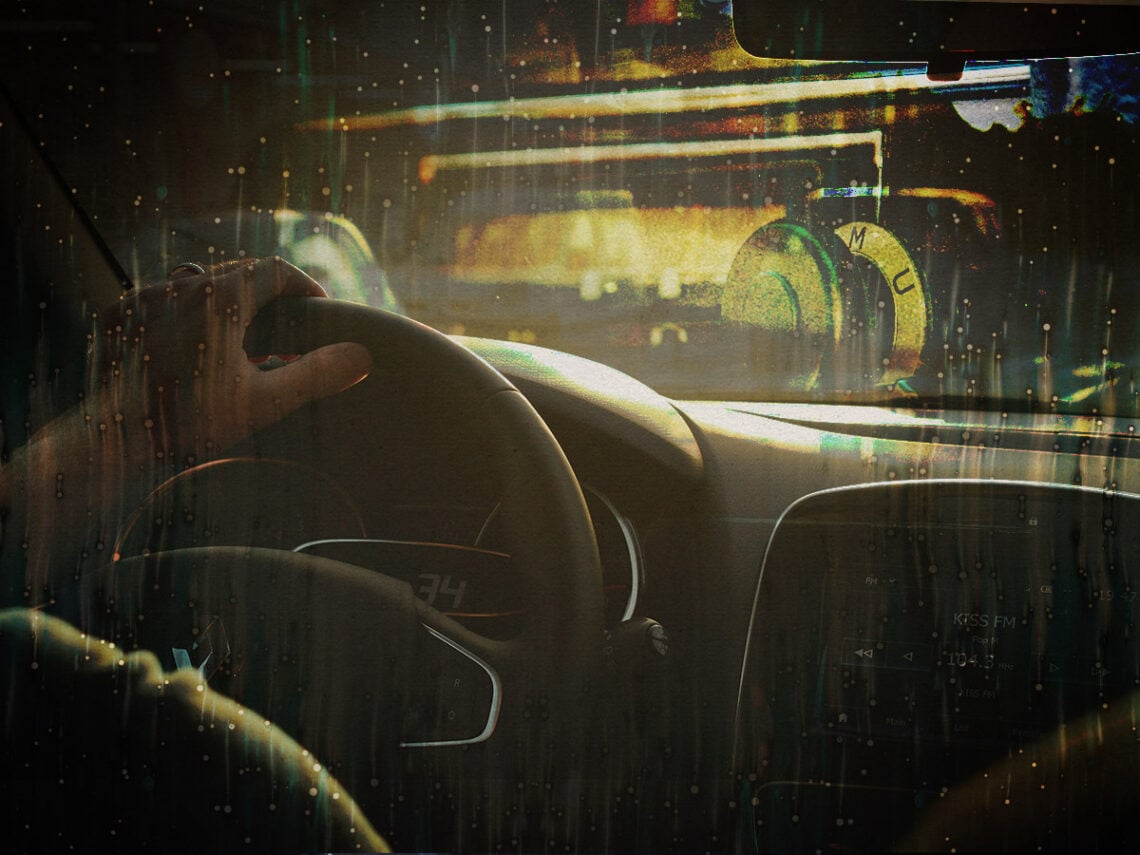
Why do most drivers still listen to the radio over streaming?

Everywhere you look in music discourse, you’ll see people talking about how much listener habits have changed in recent years. It’s a tough business out there, with those at the top sitting comfortably and those below struggling to make ends meet.
It’s a conversation that deserves to be had: smaller bands and musicians are struggling now more than ever to sustain a career in the industry, mainly because it’s tough to make a career out of something that pays basically nothing, but also because this means that most streaming revenue goes to the bigger, more popular artists, leaving the smaller ones left behind.
And that’s not to mention other challenges, including how much the cost of touring has risen and how the era of social media has meant that artists essentially have to play the content game to make a name for themselves. But when it comes to streaming, the conversation extends beyond the rough ride of sustainability to other factors, including the fragmentation of modern audiences and how success has become more fickle than ever.
Just take a look at artists like Lizzo, who, not long ago, was radio’s most prized possession with hits like ‘About Damn Time’, ‘Juice’, and ‘Good as Hell’. Her figures across major streamers were ones to be reckoned with as she rose to become one of the most celebrated icons in recent pop history. However, the singer has struggled of late, in part because of the recent harassment claims by her former dancers, but also because things have changed so much in the space of even a year or two that it’s hard to climb back to the top.
It also doesn’t help that fewer people are traditionally listening to the radio, most of them consuming content in bite-sized chunks rather than actually popping the radio on their home stereos (if they even have one). While the numbers are still fairly high in certain places, the only situation in which most people listen to the radio is in the car, with most drivers still opting to switch on their favourite station rather than hook up their phone and play their own music through Spotify or Apple Music.
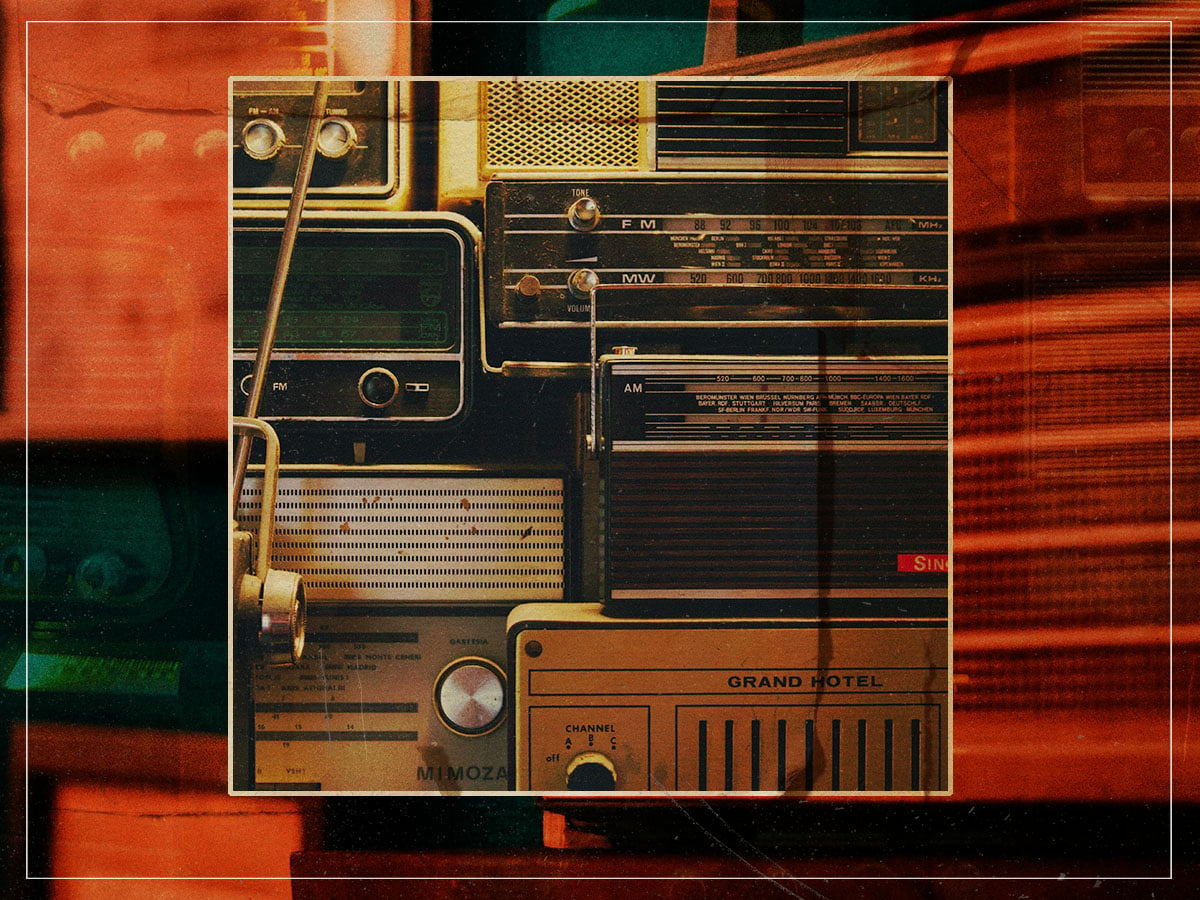
Why do most drivers still listen to the radio?
According to a recent study shared at WorldDAB Automotive 2026 in Frankfurt, conducted by WorldDAB and Fifty5Blue and involving 8,000 adults, 83% of recent car buyers listen to the radio while driving, compared to a significantly smaller margin for those who listen to music via streaming or personal music libraries. On top of that, 62% also selected the radio as ‘must-haves’ when choosing a new car, ahead of other features like touchscreen displays, navigation, and other in-built tech advancements.
This makes one curious as to why someone would actively choose to listen to the radio during their morning or evening commute, when they could listen to their own favourite music. For one, some drivers use the radio to receive real-time driving information and updates, which is pretty important if you’re taking routes that consistently experience jams or congestion.


Ease of use is also a big factor, with many people, more than you think, probably, finding that popping on the radio at the start of a drive is far easier than loading up Spotify and actively choosing an album or playlist to listen to. According to the study, some respondents also said that it makes them feel better connected to both the world and their local communities, with streaming having the opposite effect, making them feel cut off in a way that is less comforting.
Therefore, most of us might not relate to those who listen to the radio while driving, but some of the reasons make complete sense. You might have to face a streak of songs you’re not particularly fond of, or endure hearing Zara Larsson’s ‘Lush Life’ for the 50th time that week, but ultimately, it can make you feel more on top of current affairs and more aligned with what’s going on around you.
