


A life story with artistic licence: why cinema needs more bizarre biopics

It’s become one of the easiest ways to guarantee awards season recognition, but with the vast majority of them singing from an almost identical songbook, biopics are running the risk of becoming cinema’s driest form of storytelling, bar none.
Anyone who has seen a single biographical drama based on a well-known figure has a solid understanding of how things are going to play out. The subject’s early beginnings are depicted to convey what shaped them into the person they became. There’s the rise and subsequent fall, the ordeals and obstacles that need to be overcome along the way, and then the triumphant finale that paints them in a hagiographic light.
It’s precision-engineered to gain critical acclaim, and while it’s far from being a bulletproof formula, it can’t be argued that it isn’t a successful one. Take Bohemian Rhapsody, for instance, which earned Rami Malek an Academy Award for ‘Best Actor’ and cleared $900million at the box office for telling a story most people already know in formulaic fashion, with the end result an award-winning smash hit that doesn’t stand a chance of being remembered as one of the all-time great biopics.
With that in mind, maybe it’s time to get a lot weirder a whole lot more often. Walk Hard: The Dewey Cox story might be entirely fictional, but it’s also one of the best biopics to come around in a long time, precisely because it skewers the conventions of the genre and incorporates real-life figures into its narrative in the most outlandish or nonsensical of fashions.
Its closest spiritual successor was the riotous Weird: The Al Yankovic Story, which did a stellar job in explaining the unique and long-lasting appeal of its title character while applying an insane amount of creative licence that extended into Daniel Radcliffe going full Rambo and engaging in a diner-set brawl with Pablo Escobar’s henchmen, only to murder the feared drug kingpin by throwing a platinum disc directly into his head as part of a bullet-riddled exfiltration of his kidnap victim… Madonna.
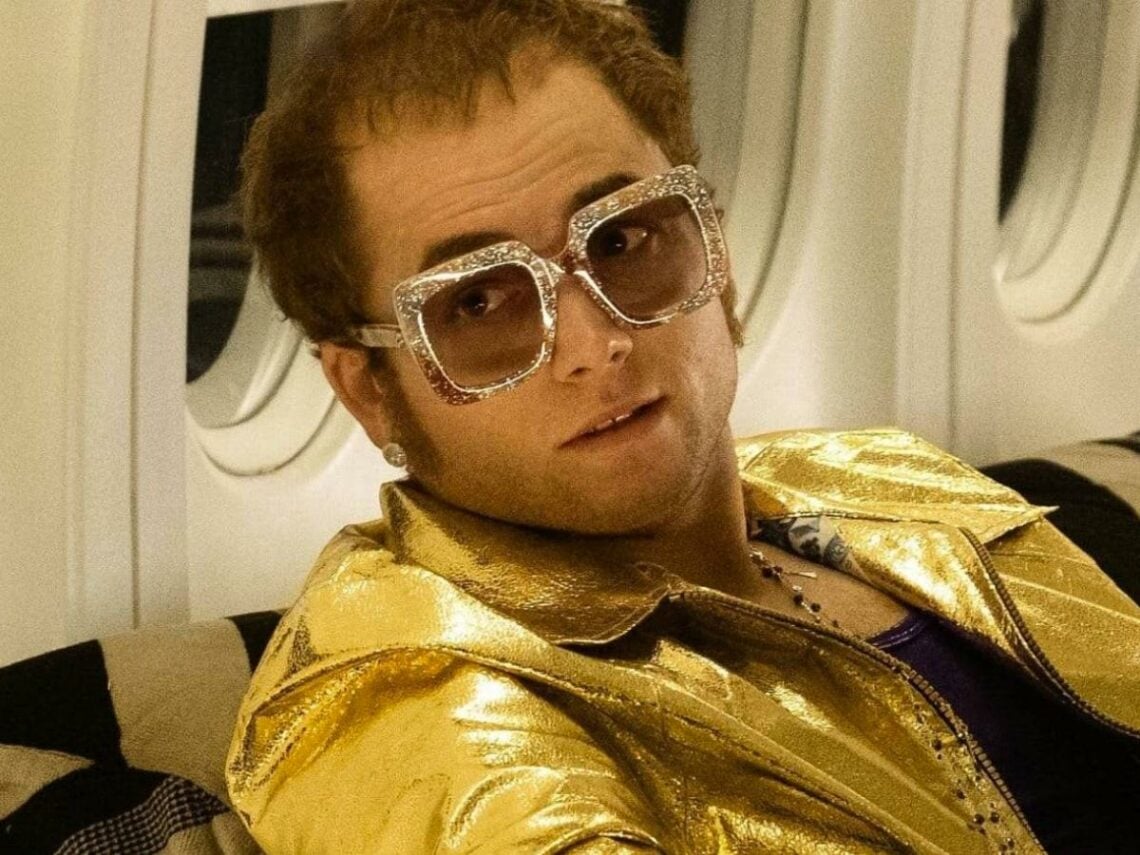
Taron Egerton won a Golden Globe for embodying Elton John in Rocketman, which walked the path of the standard biopic in a narrative sense, but constantly flirted with the realms of full-blown fantasy to distinguish itself from the rest of the back. Todd Haynes’ experimental I’m Not There roped in a star-studded cast to explore the evolution of Bob Dylan, whereas Timothee Chalamet appears to be gunning straight for the Oscars in a straightforward biopic that’s got a big star, a proven director, an icon at its core, and will no doubt be a success despite its derivative parts.
It used to be a fairly regular thing for biopics – especially musical ones – to deviate from the established template and strike out on their own, whether it was Roger Daltrey’s manic Lisztomania with Ken Russell, Derek Jarman’s stripped-back and existential Wittgenstein, the murder mystery at the heart of Amadeus, the undercurrent of unreliability that powers Confessions Of A Dangerous Mind, Todd Haynes using Barbies for Superstar: The Karen Carpenter Story, or Jim Carrey claiming to be possessed by the spirit of Andy Kaufman when he got into character for Man On The Moon, which calls out the biopic in its first scene.
Somewhere along the line, it seemed to click with the studios that playing it safe and following an A-to-B-to-C life story without taking any creative swings yielded the biggest financial returns and most overflowing trophy cabinets, but it’s about time the gonzo biographical drama became less of an aberration and more an extension of the genre to a much larger extent than it’s been for a while.
