


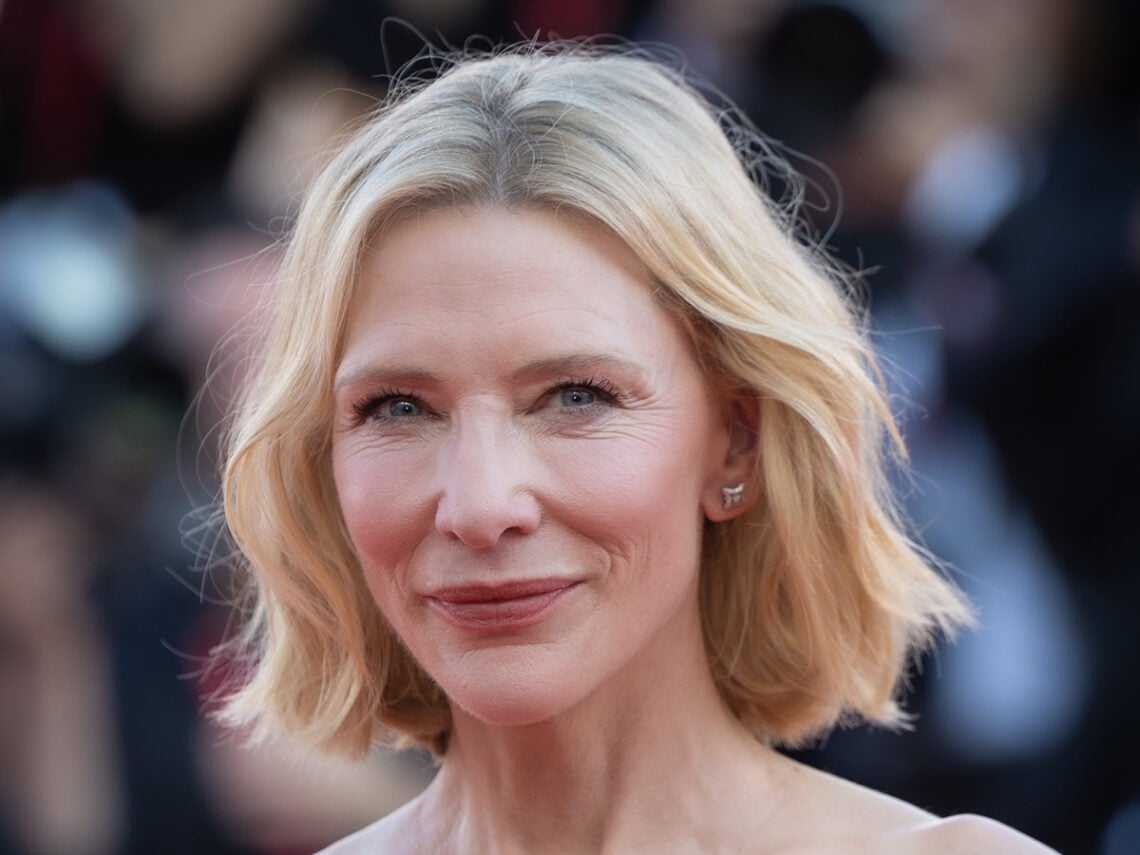
Why Cate Blanchett thought her “hubris” would kill her career: “Who did I think I was?”

Imposter syndrome is an extremely common feeling when first entering the creative industries, feeling as though everyone else possesses far more talent than you do and doubting everything you thought you could achieve.
The film business is one that thrives on the insecurities of other people, weeding out the people who try to enter it through brutal competition that makes you question your worth.
As a result, very few people make it into the gilded cage, with countless obstacles that make you give up after realising that you were ridiculous and possibly narcissistic to think you could ever succeed. But this is a trap designed by the industry to deter people from trying, with Cate Blanchett describing her early experiences with this phenomenon and how her breakout role made her question who she was.
Cate Blanchett is one of the most prolific actors of her generation, with leading roles in breathtaking films like Carol, Tar and the infamous Lord of the Rings series. She is one of many to hail from Australia, with the waters over there seeming to produce some of the greatest performers of all time, whether it be Margot Robbie or Jacob Elordi.
However, Hollywood is far away from home for Blanchett, with the actor doubting whether she would ever break into the industry before her sudden breakout role in the 1998 film Elizabeth, playing the iconic Queen Elizabeth I.
It’s the type of role that many actors can only dream of as an early opportunity to kickstart their careers, with Blanchett eventually going on to earn an Oscar nomination for the part. The film follows the Queen’s ascension to the throne, early reign and many attempts by her family to force her into marriage, a role that feels almost too intimidating for a newcomer in its weight and responsibility to portray a real-life figure.
She later described her conflicting feelings over the role by saying, “If I knew it was going to be a big moment, I would have collapsed under the weight of the pressure. I kept saying Judi Dench, Flora Robson, Glenda Jackson – I mean, what can I possibly add to the conversation? And the fact it was Shekhar Kapur – a director from Bollywood, and I was from the Antipodes; from the colonies – only exacerbated my hubris”.
She added: “These two outliers were looking at Elizabethan history, which is a period where so much of the English dream time comes from. Who did I think I was? The chutzpah. I think the only way I coped was the fact that I thought: ‘This is both the beginning and the end of my career.’ I honestly thought, ‘This is it, so I may as well enjoy it.’”
The size of the role almost led her to believe that she was madly arrogant to even attempt to tackle it, but ultimately, this attitude would only ruin the opportunity to play the role of a lifetime, with Blanchett choosing to ignore this looming feeling and focus on enjoying it. Sometimes, acknowledging the pressure of something will only kill the experience, with Blanchett losing herself in the role and probing that she was the perfect person for the job.
