


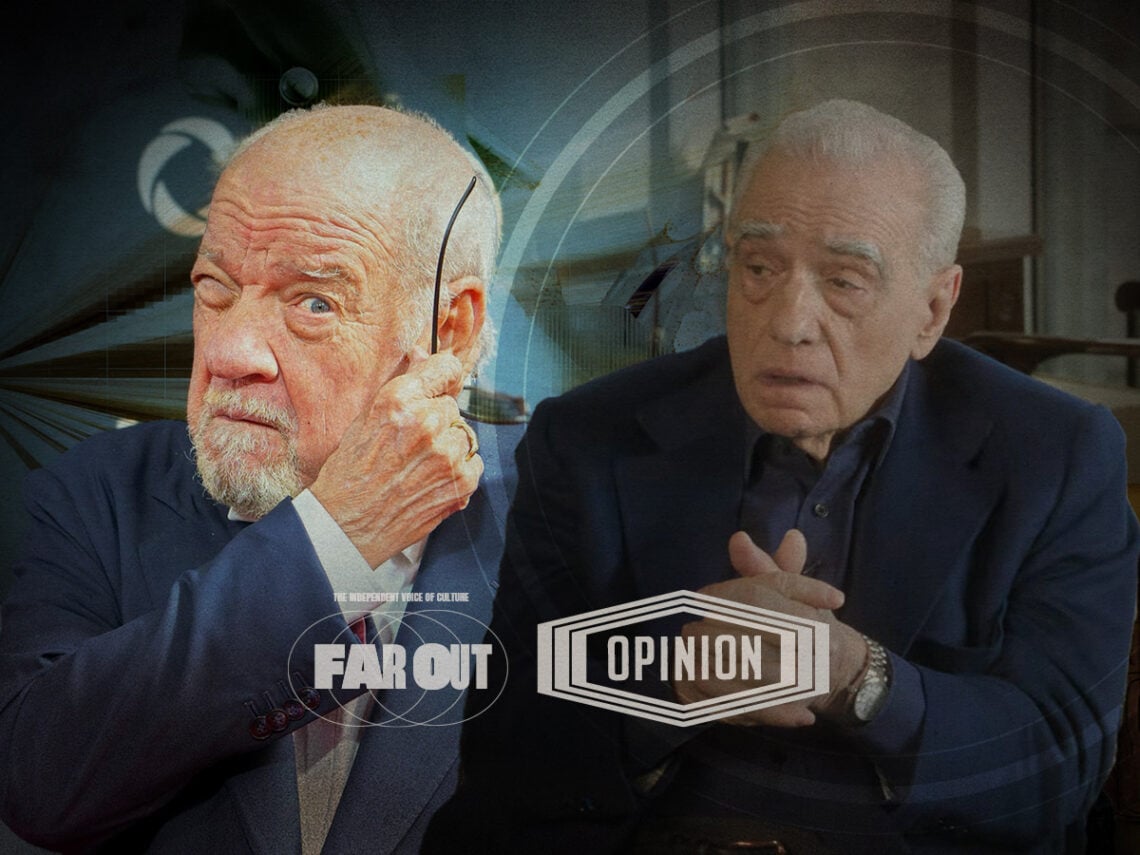
Why are older directors so excited about AI?

“I’m stunned,” Taxi Driver screenwriter Paul Schrader began. “I just asked ChatGPT for ‘an idea for a Paul Schrader film’. Then Paul Thomas Anderson. Then Quentin Tarantino. Then Harmony Korine. Then Ingmar Bergman. Then Rossellini. [Fritz] Lang. [Martin] Scorsese. [FW] Murnau. [Frank] Capra. [John] Ford. [Steven] Speilberg [sic]. [David] Lynch. Every idea ChatGPT came up with (in a few seconds) was good. And original. And fleshed out,” he continued.
“Why should writers sit around for months searching for a good idea when AI can provide one in seconds?” That’s what Schrader wanted to know in January 2025 when he first started experimenting with chatbots.
A year later, he returned to tell his followers that he had developed a relationship with an AI girlfriend, “out of a desire to understand male/female interaction in our matrix”. It didn’t go well. Apparently, the chatbot’s programming did not take kindly to the filmmaker’s attempts to discover such things as “the boundaries of explicitness” and promptly ghosted him.
While Schrader’s unfiltered social media posts are an extreme example, there is a distinct pattern emerging of Hollywood luminaries over the age of 70 who apparently feel no shame in admitting that they are down with artificial intelligence. The most galling of all of these offenders (so far) was Scorsese, who disrupted an already unpleasant June to inform the world that he was selling out, joining the enemy, and stomping on his legacy. In other words, he announced that he was actually very excited about the creative potential of AI in filmmaking, so much so that he will be serving as an advisor for an AI startup that will help put storyboard artists out of work.
Elsewhere, Ridley Scott has championed the use of AI in the rendering of a rhinoceros in Gladiator 2, saying “you have to embrace it”, and James Cameron has walked a fine line between insisting that AI must never replace actors and acknowledging that he wants to learn how to use it and then “use my own best judgment about how I apply it to my personal art”.
Those last two are arguably on the right side of history. Cameron, especially, has been extremely thoughtful in his analysis of the threats of artificial intelligence for filmmakers and actors, while trying to maintain his reputation for embracing new frontiers in visual effects. But compare these comments to those of Kane Parsons, the 20-year-old first-time director of the box office smash, Backrooms. When discussing the potential of generative AI for speeding up post-production and VFX, the former YouTuber said, “[R]ight now it’s difficult to discuss objectively because there’s so much at stake and so many genuinely harmful consequences already happening”.
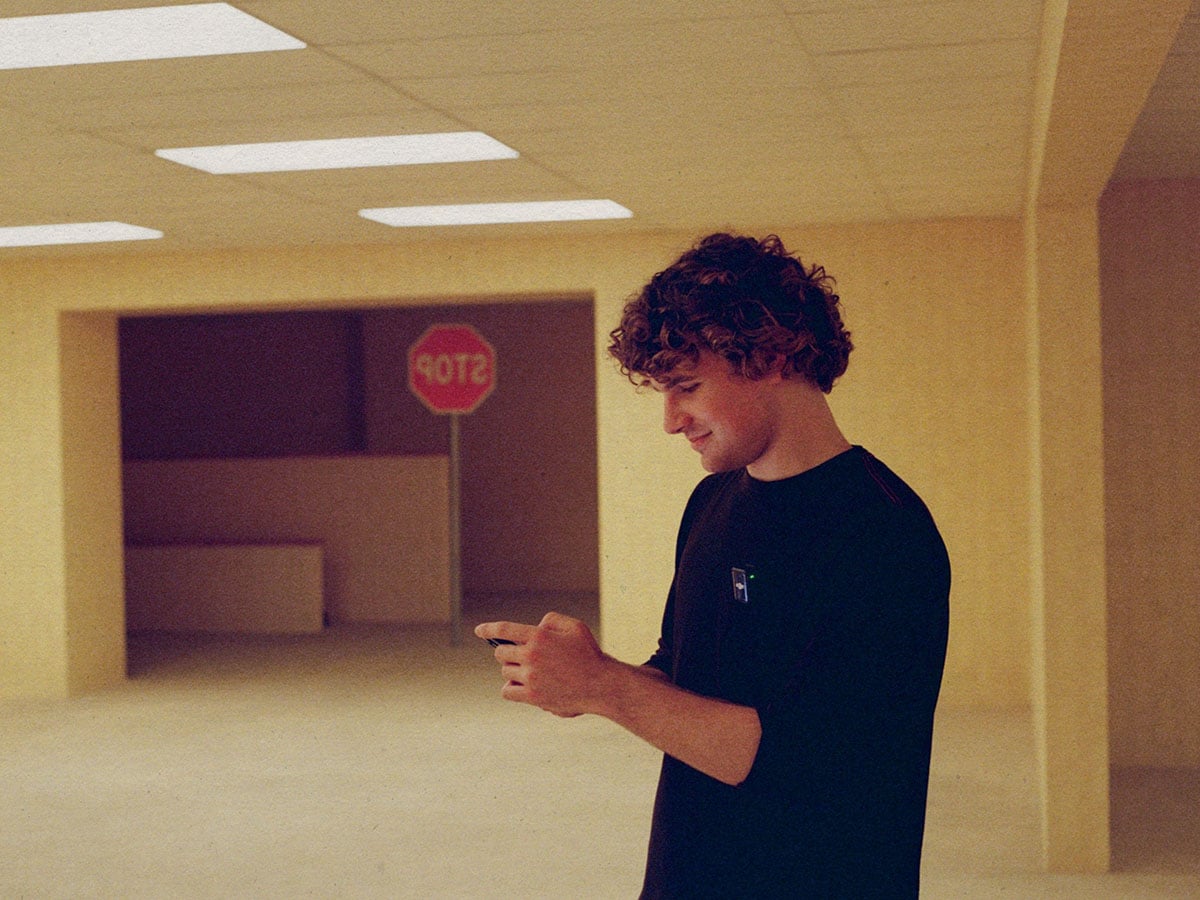
This is such an easy conclusion to make. Of course, AI has enormous potential to make various filmmaking tasks quicker, but at a time when the technology is threatening every type of art and may even, according to the very people who are building it, wipe out humanity, why would anyone want to talk about how good it is at mapping a rhinoceros or coming up with a screenplay idea? The house is burning to the ground, and the Schraders and Scorseses of the world look on in starry-eyed wonderment as the heat from the flames dries the laundry.
So why are these older auteurs so comfortable with being on the wrong side of history? Part of it must be that they know they won’t have to deal with the consequences. AI has rapidly encroached on almost all aspects of our lives already, whether we’re aware of it or not, but mass unemployment, catastrophic cyber attacks, and potential death to humanity won’t happen while Scorsese and Schrader are around to feel it.
More importantly for them, probably, is the fact that they have already proven their creative brilliance. They made Taxi Driver in the ‘70s when special effects were still rudimentary by today’s standards, and have nothing to prove. Meanwhile, younger generations of artists working in Hollywood will have to not only compete with AI but also withstand accusations that they used it.
One of the most under-discussed effects of this technology on creativity is that it has inserted scepticism into our appreciation of art. We will not be able to watch a movie made after the dawn of AI without wondering if it was made purely through human artistry or with the input of artificial intelligence. If David Lynch had made Blue Velvet in 2026 instead of 1986, people would speculate that it was the result of a wild AI hallucination, not the imagination of a guy who spends most of his time meditating.
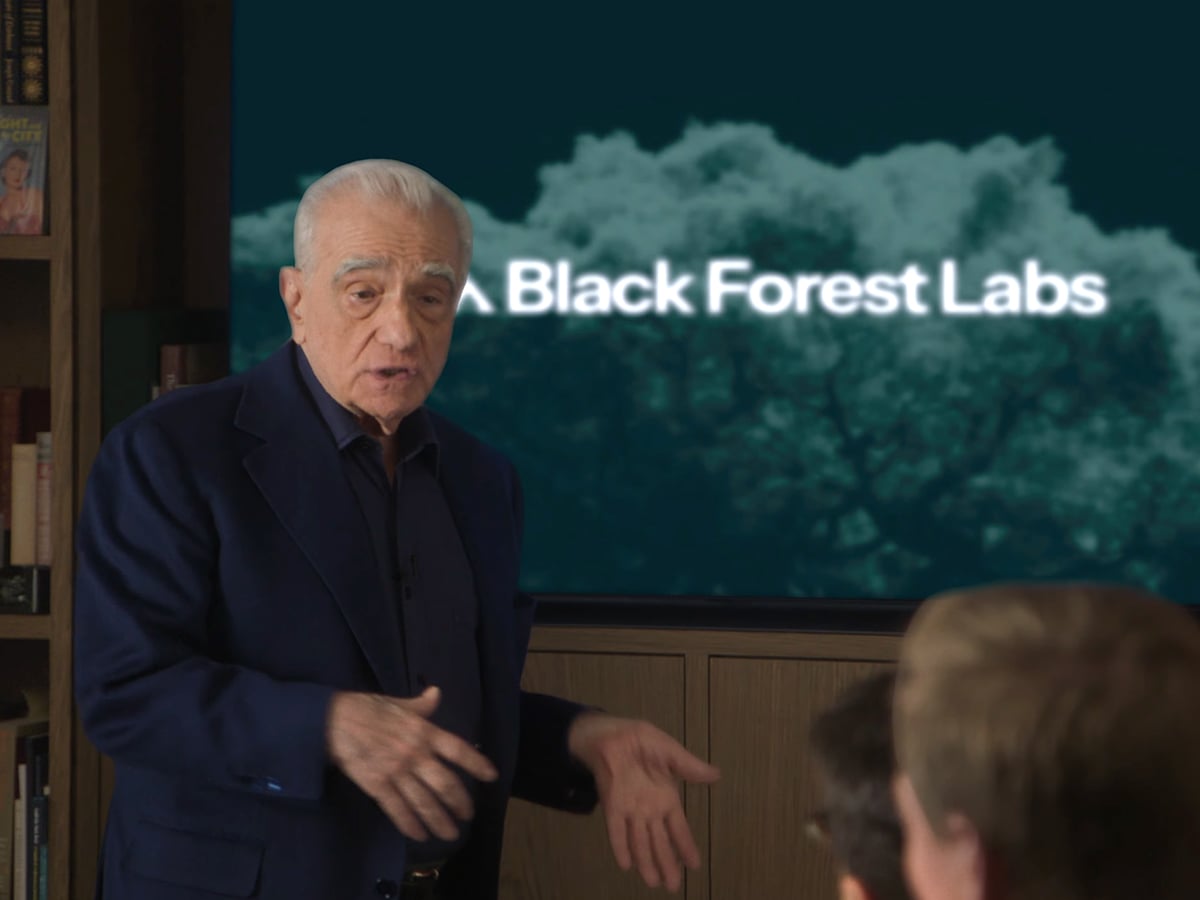
Directors who made their mark on the world long before the internet, let alone ChatGPT, will never have to deal with such suspicions or with losing their jobs because AI can do it for them; anything they make now is just a bonus (or, more likely, an embarrassing footnote). They can mess around with AI, speeding up whatever process they find dull or inefficient, and it will have no bearing on how we view their earlier art. It will change how we remember them as people and leaders in the industry, but it won’t make us question the work.
From their perspective, no doubt, they are simply staying true to themselves as the cinematic disruptors they’ve always been. Just as they helped shape New Hollywood, they are now embracing another form of newness. Why should we be surprised that they’re so open-minded? Because sticking your neck out in favour of an art-ending technology is wrong, full stop. It is so obviously wrong that it’s hard not to dismiss these filmmakers as senile for thinking otherwise. Parsons demonstrated how easy it is to say the right thing. Yes, AI does make certain aspects of filmmaking easier, but that’s hardly the point when it poses an existential threat to the entire profession.
Beyond that, both Scorsese and Schrader seem to have lost touch with the whole concept of the creative process. “Why should writers sit around for months searching for a good idea when AI can provide one in seconds?” Schrader asks. Maybe because that’s what being a writer is. Parsons, again, articulated it best. “Creatively, I get no enjoyment from using [generative AI],” he said, “It defeats the purpose entirely for me”.
