


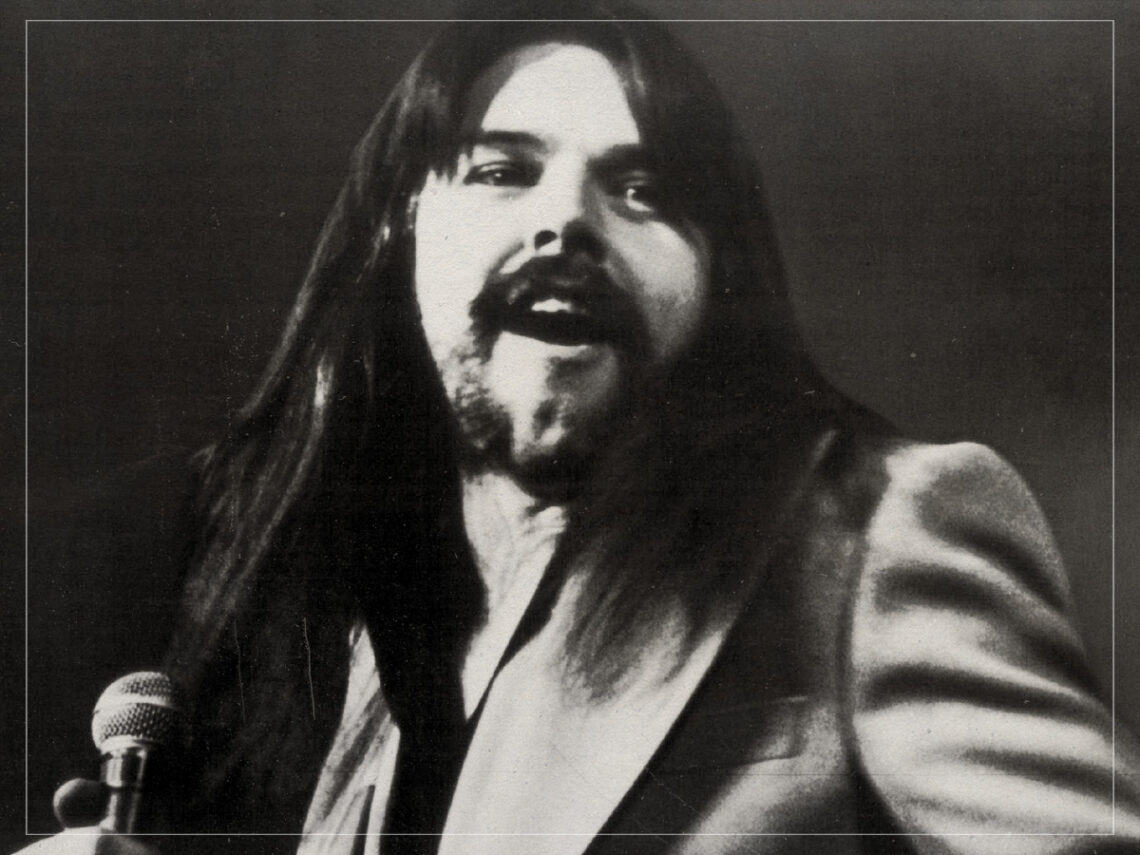
Who sang backing vocals on Bob Seger’s ‘Ramblin’ Gamblin’ Man’ in 1969?

Most people remember when they first heard Bob Seger, his soulful, heartland rock sound sweeping you into a swirl of cinematic bliss, spotlighting the pain and joys of nostalgia in ways that feel both real and serene.
In fact, one of the biggest factors of Seger’s appeal is that each song feels like a little story of its own, a short movie you can dip in and out of every time you want to feel something. Whether the sweet coming-of-age lament of ‘Night Moves’ or the deeper, more moving ruminations on the passage of time in ‘Against the Wind’, these are songs that feel written solely for the listener, highlighting the perils of life in a way that somehow also feels comforting.
This is also why his music has resonated far and wide. Jane Fonda once put it well when she said Seger’s music transports her to specific moments in life, the “exciting times, romantic, sensual times”. It’s the same for many, especially those who were influenced by him in a more physical, direct way, like Iggy Pop, who first saw Seger when his band played at his high school, looking the part with matching suits and greased-back hair while playing their instruments “beautifully”.
For Pop, Seger was “the guy who really put the nail in any chance of my straight life”. Bruce Springsteen, Tom Petty, and countless others were also inspired by Seger’s ability to channel realism into expansive, charismatic soundscapes, giving a voice to all those who’d ever felt their lives weren’t worth singing about.
How did Bob Seger and Glenn Frey meet?
Before forming the Eagles, Glenn Frey also sought inspiration from Seger. The pair first met in the 1960s when Frey was touring with the Mushrooms and playing clubs run by Seger’s manager. Forming a close musical partnership from the off, Frey even once said that the most important thing that ever happened to him musically was meeting Seger, who mentored him and encouraged him to write his own music. According to Seger, songwriting was the ultimate key to unlocking your own path to greatness.
“We [realised] that songwriting was essential, it makes you original,” Seger told the Detroit Free Press. “That was the bottom line. We were both going to be original songwriters so that nobody could compare us to anybody else. Songwriting was key to the whole operation. And obviously, he was very good at it.”
Frey also provided backing vocals and guitar on Seger’s 1968 track ‘Ramblin’ Gamblin’ Man’, Seger’s first Billboard Top 40 hit, which reached number 17 in 1969. This was a seminal moment for Frey, as not only did he contribute to the hit at the age of 19, but it was also his first professional recording experience, and the last one he worked on right before moving to LA to pursue a more serious music career.

Only a few years later, Frey would co-found Eagles, but his love for Seger didn’t end there, nor did their desire to cross paths or collaborate in the future. In fact, after the success of ‘Ramblin’ Gamblin’ Man’, the Eagles also contributed to tracks like ‘Fire Lake’, while Seger helped to co-write ‘Heartache Tonight’ with Frey and JD Souther.
They also had the kind of relationship most musicians dream of, involving a closeness that meant either of them could pick up the phone and share ideas whenever they wanted. Such was the case with ‘Heartache Tonight’, when Seger told Frey, “I wanna run something by you” on the phone before launching into a pretty perfect rendition of the chorus.
And when Frey passed away in 2016, Seger summed up his love for his musical comrade in the most perfect way imaginable: “If you can judge songwriters by the cash register, they don’t get much better than Glenn Frey.”
