


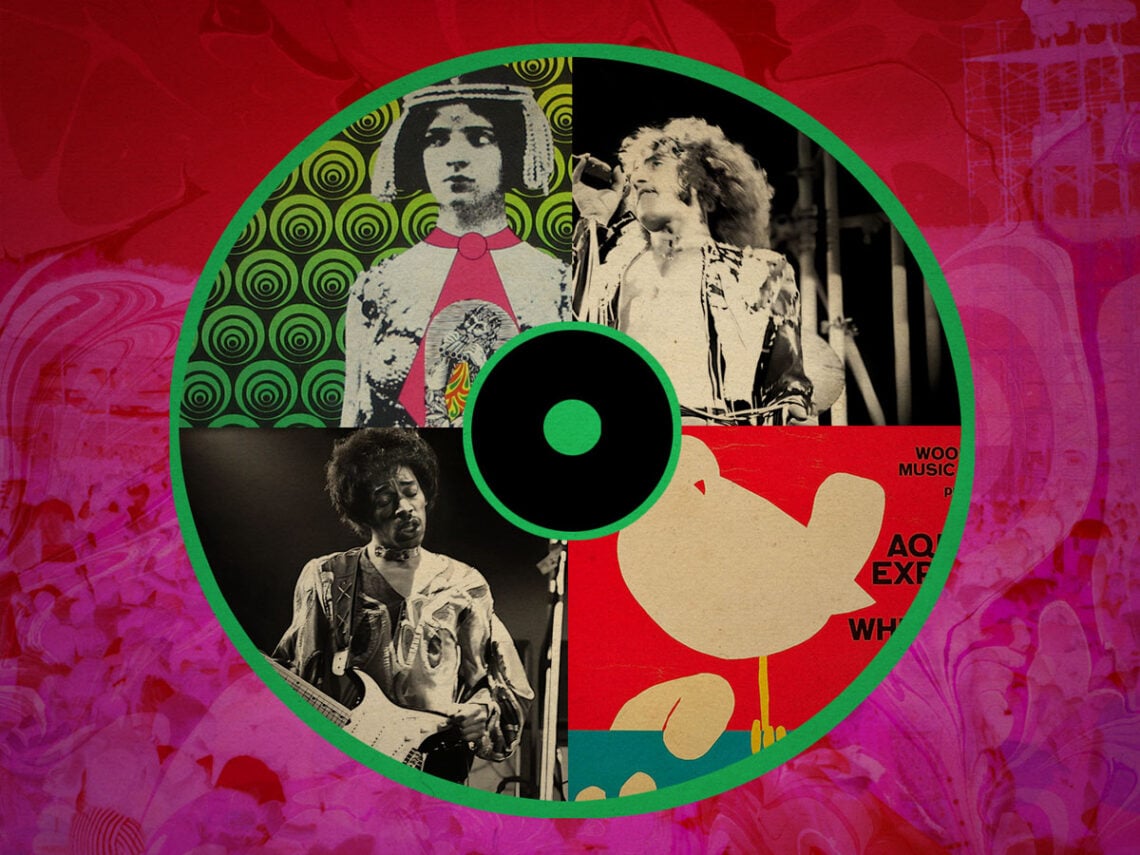
Which artists played both Woodstock and the Monterey Pop Festival?

The great rock festival wasn’t born in Monterey and Woodstock, but they certainly established the enduring template that even today’s Glastonburys and Roskildes are still taking notes from.
In fact, the UK can claim to have hosted the very first rock and pop festival as early as May 1967. Mere days after Sgt Pepper’s Lonely Hearts Club scored the Summer of Love, the small Lincolnshire town of Spalding enjoyed Jimi Hendrix, Cream, and a Syd Barrett-led Pink Floyd take the Tulip Bulb Auction Hall stage for the much-loved but little remembered Barbeque 67.
Less than a fortnight later, California’s Fantasy Fair and Magic Mountain Music Festival pulled in The Doors and Jefferson Airplane, the latter a near-constant booking across the decade’s benefit and free festival circuit.
But the 1960s’ US counterculture was defined by two festival Grandaddies. The West Coast’s Monterey International Pop Festival in June 1967 helped break many of the big names pulled to the Monterey County Fairgrounds for its three-day jamboree, particularly forging a bridge with the soul world via Otis Redding’s electrifying performance on the Saturday night.
Two years later, August’s Woodstock Music and Art Fair would stand with totemic stature for the entire peace and love generation, its ramshackle operation and less than rosy reality on the ground never upsetting its romantic mythos commanding popular fascination nearly 60 years later.
Naturally, such seismic gatherings of the rock and pop vanguard saw several icons of the era grace both stages of America’s two most famous festivals.
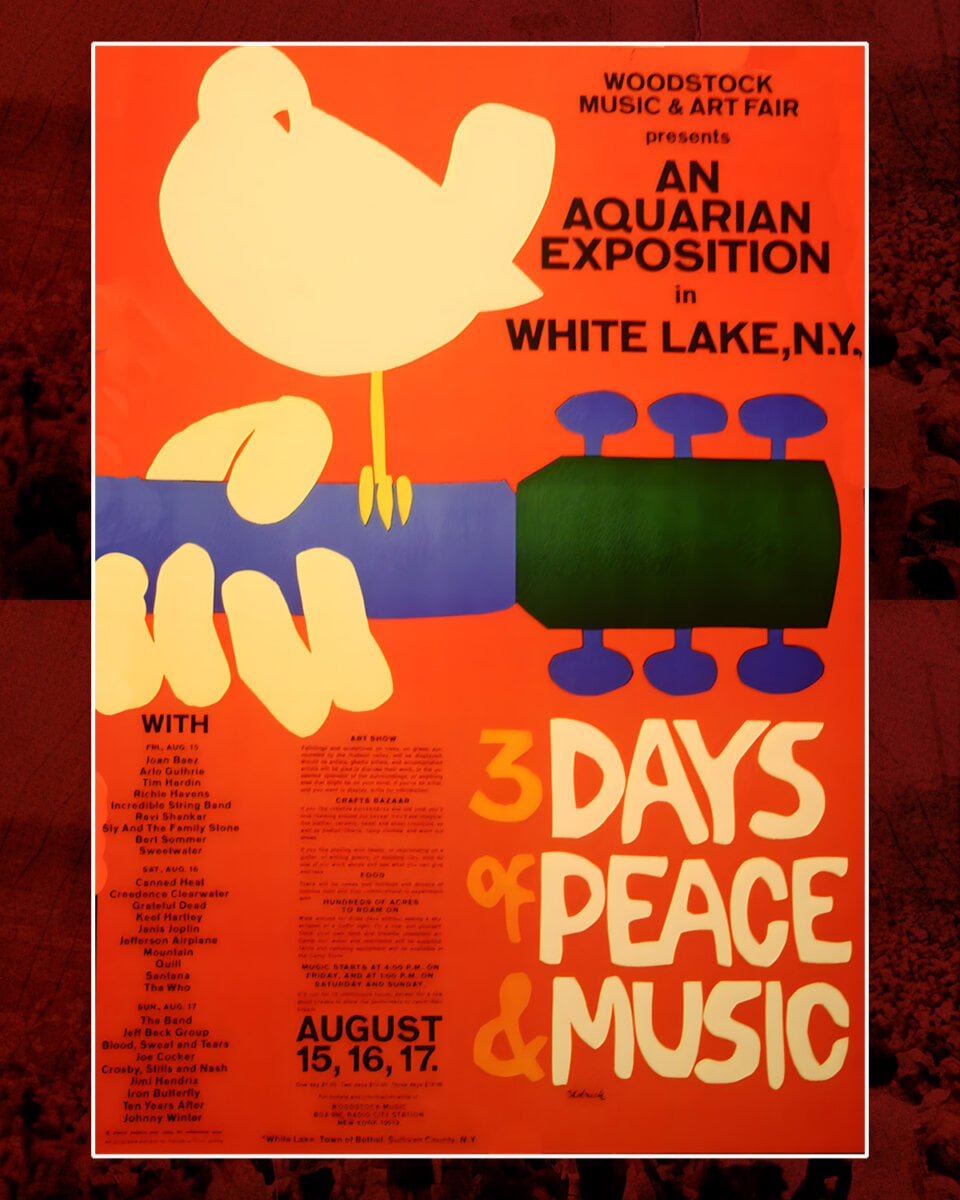
So, who played both festivals?
There are two official appearances that jump between different bands and projects, with a sly third worming his way through not on the bill. Buffalo Springfield played Monterey on Sunday evening, but minus Neil Young, who had temporarily quit the band a month earlier.

In his place, Doug Hastings filled in guitar duties along with one David Crosby, who was on the programme with The Byrds the previous evening. Jump to Woodstock, and the Crosby, Stills, Nash & Young supergroup played a half-and-half acoustic and electric set in the early hours of Monday. So, despite Buffalo Springfield’s Monterey show, Young only actually performed at Woodstock – and refused to be filmed – while Crosby played both as a Monterey band favour and Woodstock directly with CSN&Y.
The other is Janis Joplin. Gifting Monterey with one of its most celebrated sets, Big Brother and the Holding Company proved so acclaimed that Joplin and her group were last-minute booked for a second set on the Sunday evening for the benefit of DA Pennebaker’s Monterey Pop film. Over to Woodstock, and the revised Janis Joplin and the Kozmic Blues Band played Max Yasgur’s dairy farm around 2.00 am Sunday morning, the soul stalwart dying little over a year later.
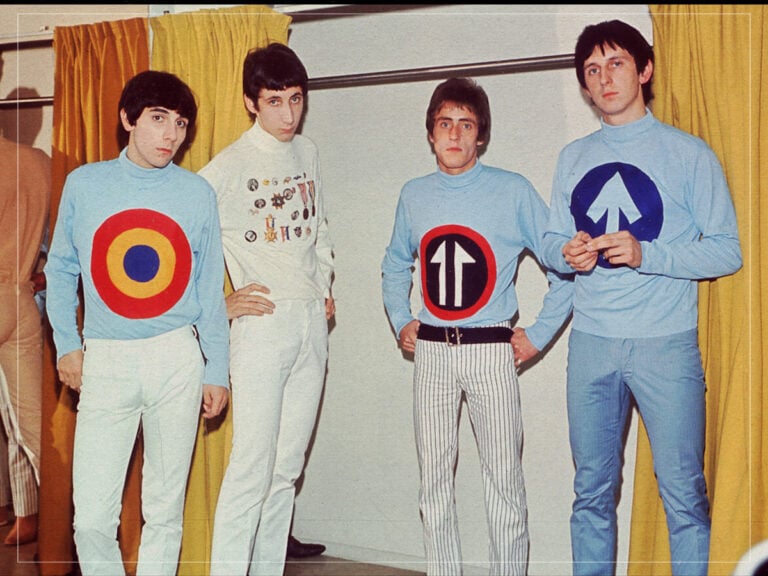
Otherwise, Ravi Shankar, Paul Butterfield, in two slight alterations of his blues band, Country Joe & The Fish, Canned Heat and Grateful Dead played both festivals, and The Who introduced the rock world to their penchant for on-stage destruction at Monterey and unleashed the bulk of their Tommy rock opera over at Woodstock.
Hendrix had actually gleaned his real US breakthrough at Monterey after finding fame in the UK, his Experience trio immortalising themselves with their fire-igniting theatrics, then over at Woodstock, Hendrix famously played the final set at nine in the morning on Monday, his loose Gypsy Sun and Rainbows ensemble capturing the era’s heady charge with his ‘Star-Spangled Banner’ solo attack on the American war machine.
Finally, Jefferson Airplane not only played both Monterey and Woodstock, but even took the stage at The Rolling Stones’ disastrous Altamont Speedway Free Festival in December 1969, a triple crown only the psychedelic behemoths can count as the booked Grateful Dead backed out at the last minute due to the event’s escalating violence.
