


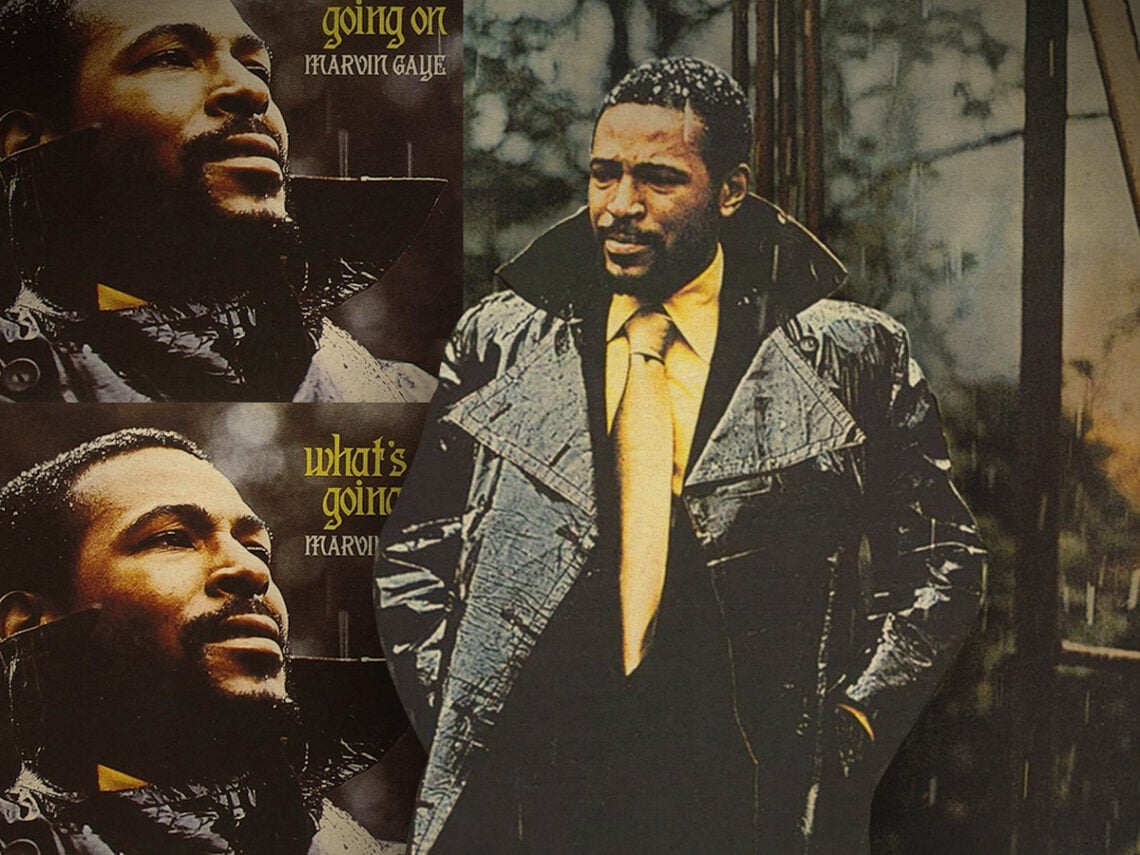
‘What’s Goin’ On’ at 55: When Marvin Gaye pulled Motown into the album era

They were a little late to the party, but it took Marvin Gaye’s restless creative ambitions to finally gift the Motown label its first bona fide concept album 55 years ago.
Across the preceding decade, Detroit’s premier soul factory boasted a whopping 110 top ten hits in the States, with the in-house A&R man William Stevenson propelling the likes of The Temptations, Four Tops, and Martha and the Vandellas to their glittering pop stature, and the Holland–Dozier–Holland songwriting team setting the Billboard Hot 100 alight across the 1960s, with The Supremes’ ‘Baby Love’, ‘Stop! In the Name of Love’, and ‘You Keep Me Hangin’ On’ flowing from their lyrical pen alone.
It was a formula for success that label owner Berry Gordy initially had little interest in changing. As the 1960s came to a close, the rock counterculture had ushered in the album era in earnest, with LPs from Pet Sounds to Sgt Pepper’s Lonely Hearts Club Band establishing the medium of the album as the premier statement from any self-respecting artist, shaped with a cohesion intended for experience over a mere collation of songs slapped on a record. The primacy of the LP would pull in Sly and the Family Stone and George Clinton’s emerging P-Funk to similarly shape their rock-infused R&B to score the experience of the holy record.
The essentially of the 45 single had ebbed, reserved for the soul cohort and the litter of bubblegum pop thrown like candy onto the Billboard charts, but Gaye could see the writing on the wall. The Motown assembly line approach had served the Washington, DC crooner handsomely, standing as one of the Tamla sub-label’s most lucrative artists as the 1970s arrived, striking Motown’s biggest-selling hit only a couple of years earlier with his take on ‘I Heard It Through the Grapevine’. Yet, the album’s expanded scope was beckoning, providing the perfect foil to score his private battles and the surrounding political turmoil that looked beyond the tried and tested 7”.
Allegedly, the title to 1971’s What’s Going On was prompted by Four Tops’ Renaldo ‘Obie’ Benson. On the road together in May 1969, the sudden sight of police brutality meted out on protesters outside the tour bus window triggered much soul searching between the band and Gaye, asking just why kids were being sent to lose life and limb over in Vietnam and being beaten back home. Such troubled spirits were poured into ‘What’s Goin On’s early draft, rejected by the Four Tops before Benson’s lyrical work in progress was handed in for Gaye’s consideration. It was exactly the song he was looking for.
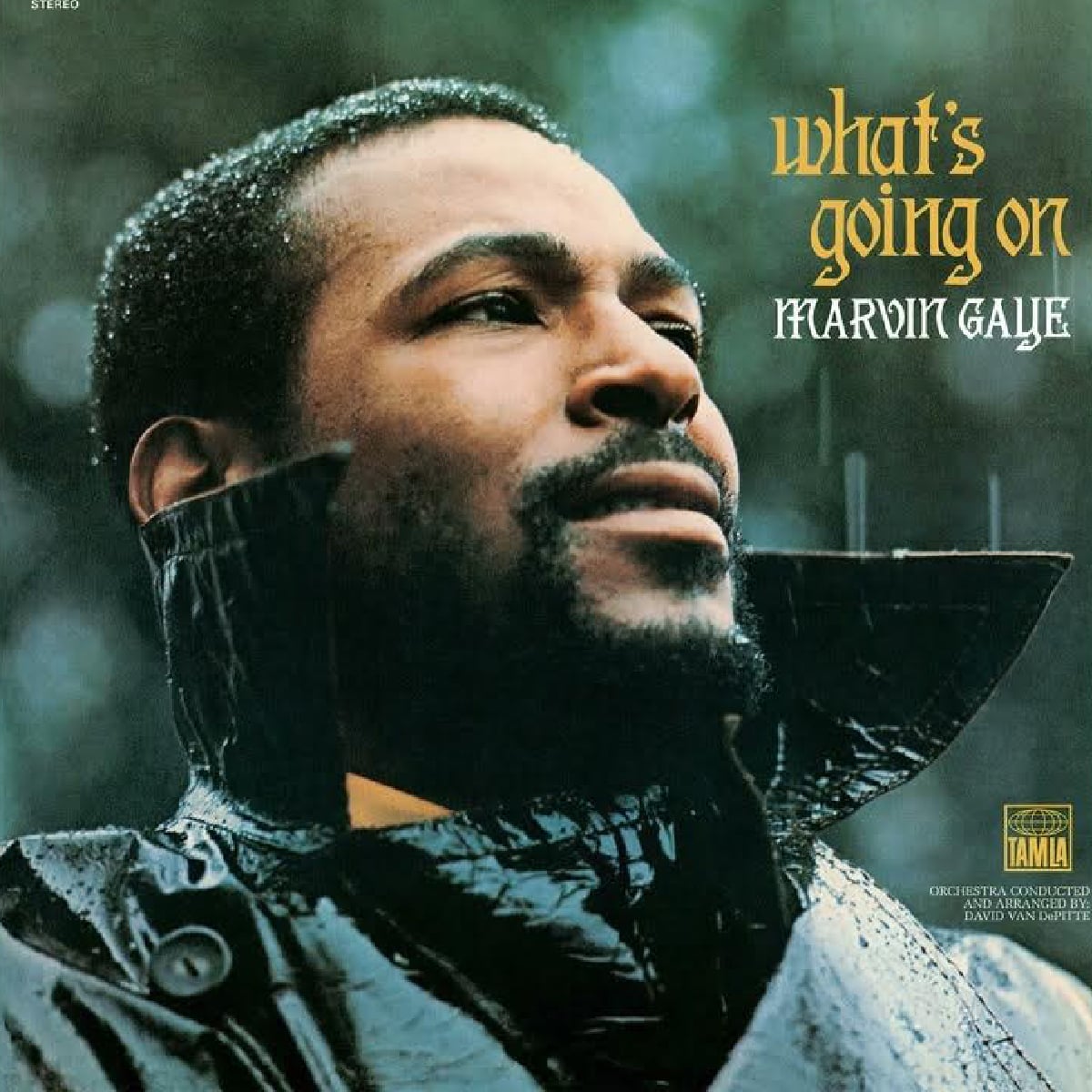
Gaye wasn’t lacking in emotional ache to breathe wounded life into the humanitarian plea. Life had come down hard on the 30-year-old star: a failed marriage, cocaine addiction, tax headaches, and artistic constraints at Motown all came to a head one night when he wavered on taking his own life with a gun before Gordy’s father intervened. Personal struggles seemed to reflect the outside drama. War abroad and state abuse across Black and white folk alike pushed Gaye to cut a protest record over the former love songs that’d found him enormous success.
“I began to re-evaluate my whole concept of what I wanted my music to say,” Gaye told Rolling Stone at the time, “I was very much affected by letters my brother was sending me from Vietnam, as well as the social situation here at home. I realised that I had to put my own fantasies behind me if I wanted to write songs that would reach the souls of people. I wanted them to take a look at what was happening in the world.”

Cutting the single at Motown’s Hitsville USA studio in Detroit, Gordy met ‘What’s Going On’ with commercial anxiety, reportedly claiming the record was “the worst thing I ever heard in my life” and resistant to the overt political themes and lack of pop polish. However, Gaye stuck to his guns. Motown was either going to release his fired-up single or there would be no more material. Gordy reluctantly gave the all-clear, and ‘What’s Goin On’ was released in January 1971 to over two million sales and a number two on the Hot 100.
The gamble paid off; now, Gaye was free to realise his conceptual arc into a Motown record just like The Who’s Tommy or The Moody Blues’ Days of Future Passed. Adopting the point of view of a returning Vietnam War veteran back home in the States during its political implosion, a segueing song cycle flowing seamlessly into each other’s scores Gaye’s lyrical reportage on anything, from ‘Mercy Mercy Me (The Ecology)’s environmental collapse, ‘Save the Children’s poverty, and the scourge of drug abuse charging in ‘Flyin’ High (In the Friendly Sky)’, all draped under the unifying arm around the shoulder of the Detroit Symphony Orchestra’s stirring string sections and the gospel backing harmonies in the best Black spiritual tradition.
Finally released May 21st, 1971, What’s Going On would stand as another commercial and critical smash, shooting to number two on the Billboard 200 and finally cementing soul’s place in the album era. Gordy would ease up on the artistic control from then on, sparking Stevie Wonder’s contractual reset with Motown clamouring for similar creative freedom and kicking off his run of celebrated 1970s LPs from Music of My Mind that didn’t need to soak up the Rare Earth sub-label’s rock roster to legitimate their conceptual ambitions.
Gaye’s ambitious wade into the album era has left a soul and R&B legacy that would ripple for decades; D’Angelo, Lauryn Hill, Janet Jackson, and Beyoncé all followed What’s Going On’s paved path with their own personal and fleshed-out LP offerings in later decades. At 55 years old, Gaye’s defining record and major pivot of the glittering soul canon shines with a pertinence undimmed since its first release to the world, shaped by a different world but speaking to topics all too pertinent in the contemporary political upheaval, all afforded that enduring permanence the great rock and pop relic known as the album afforded the Motown star when looking out that tour bus window and forced to look far beyond the horizons of the Hot 100.
