


The song Jack White wrote for Beyoncé: “I’ve always loved her voice”

Led Zeppelin drummer John Bonham could never have predicted just how enduring his powerhouse drumbeat for 1971’s ‘When the Levee Breaks’ would prove when pummelling its percussive drama behind his Ludwig kit in Headley Grange studio’s lobby. Artists from Björk, Massive Attack, and Sophie B Hawkins have all sought to sample its apocalyptic swagger and its famous break has been chopped and crewed by a universe of hip-hop artists over the years.
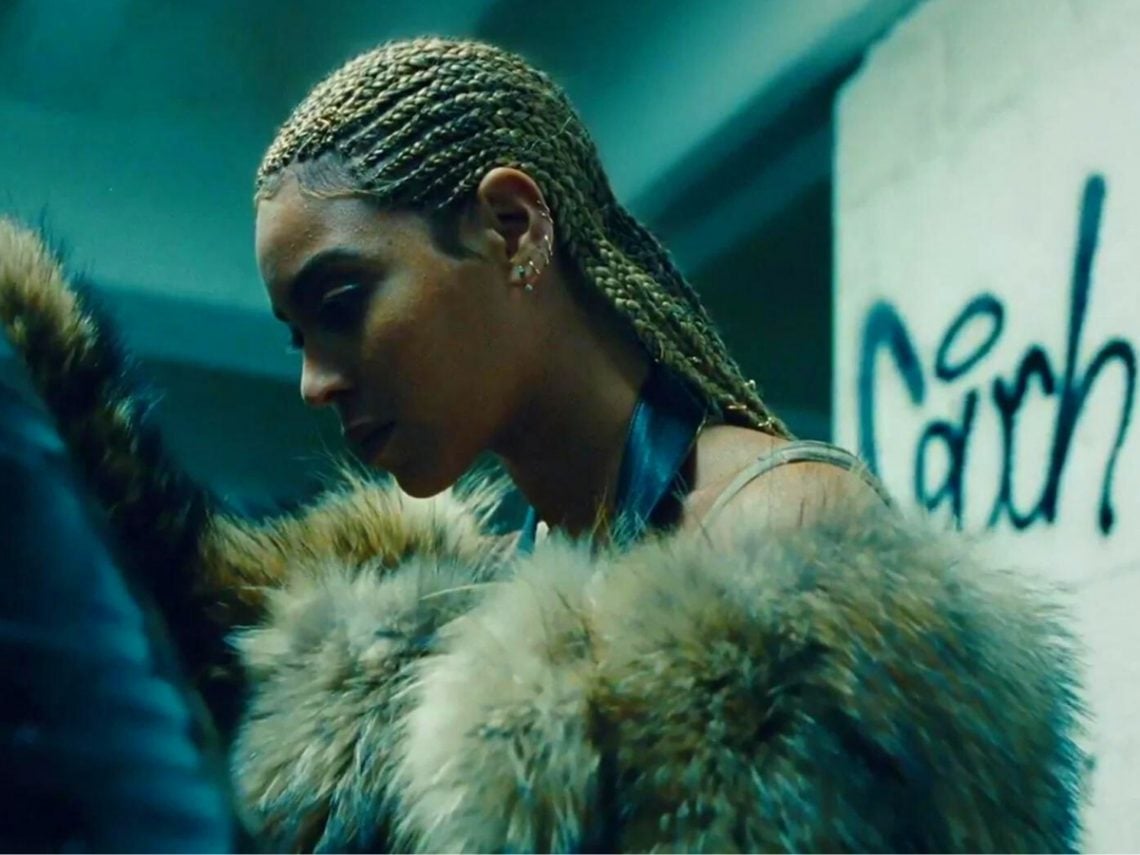
Bonham’s Earth-shattering skins also found their way to Beyoncé’s sixth album. Dropped in 2016, Lemonade examined the messy hurt wrought by husband and rapper Jay-Z’s infidelity through the lens of Black relationships shaped and bruised by America’s racist heritage and roots in slavery.
Accompanied by the Lemonade musical film, the visual and musical twofer won unanimous critical acclaim, heralded as Beyoncé’s defining album that veered between aching passion and unreined fury in its R&B soul package. Fury reaches its explosive apex on ‘Don’t Hurt Yourself’, a seething warning targeted at Jay-Z aided by Led Zeppelin’s famous drum beat feeling the simmering wrath.
Featuring references to Civil Rights activist Malcolm X’s “The most disrespected person in America is the Black woman” line from a 1962 speech, Beyoncé weaves in a lyrical ode to the sanctuary of Black sisterhood, be it the mothers grieving the loss of sons killed by racist police departments or a grandparents’ sacred wisdom imparted to her family—Jay-Z’s grandma Hattie White uttering the lines: “I had my ups and downs, but I always find the inner strength to pull myself up. I was served lemons, but I made lemonade.”
In need of some rock heft, Beyoncé reached out to former White Stripes frontman and fellow Tidal ambassador Jack White for lyrical and production assistance on the raucous ‘Don’t Hurt Yourself’. Being a huge fan, White couldn’t say no. “I’ve always loved her voice,” he told NPR at the time. “I mean, I think she has the kind of soul-singing voice of the days of Betty Davis or Aretha Franklin.”
He added: “She took just sort of a sketch of a lyrical outline and turned it into the most bodacious, vicious, incredible song. I don’t even know what you’d classify it as—soul, rock and roll, whatever. ‘Don’t Hurt Yourself’ is incredibly intense; I’m so amazed at what she did with it.”
By this time, White was firmly in the mainstream and at the peak of his commercial powers. Following the success of his formative drum and guitars minimalist duo, he found time to join Dead Weather and The Raconteurs to acclaim, score a Bond theme, and scoop up 12 Grammy Awards. Nevertheless, Queen Bey took a gamble that paid off, the pair crafting one of Lemonade‘s most celebrated cuts and frequently championed as one of her greatest songs of all time.
Her fruitful work with the Detroit rockstar hadn’t been lost on Beyoncé nearly a decade later. Sending flowers to White following the success of her country-tinged Cowboy Carter, she added a note which said: “I just wanted you to know how much you inspired me on this record.”
