


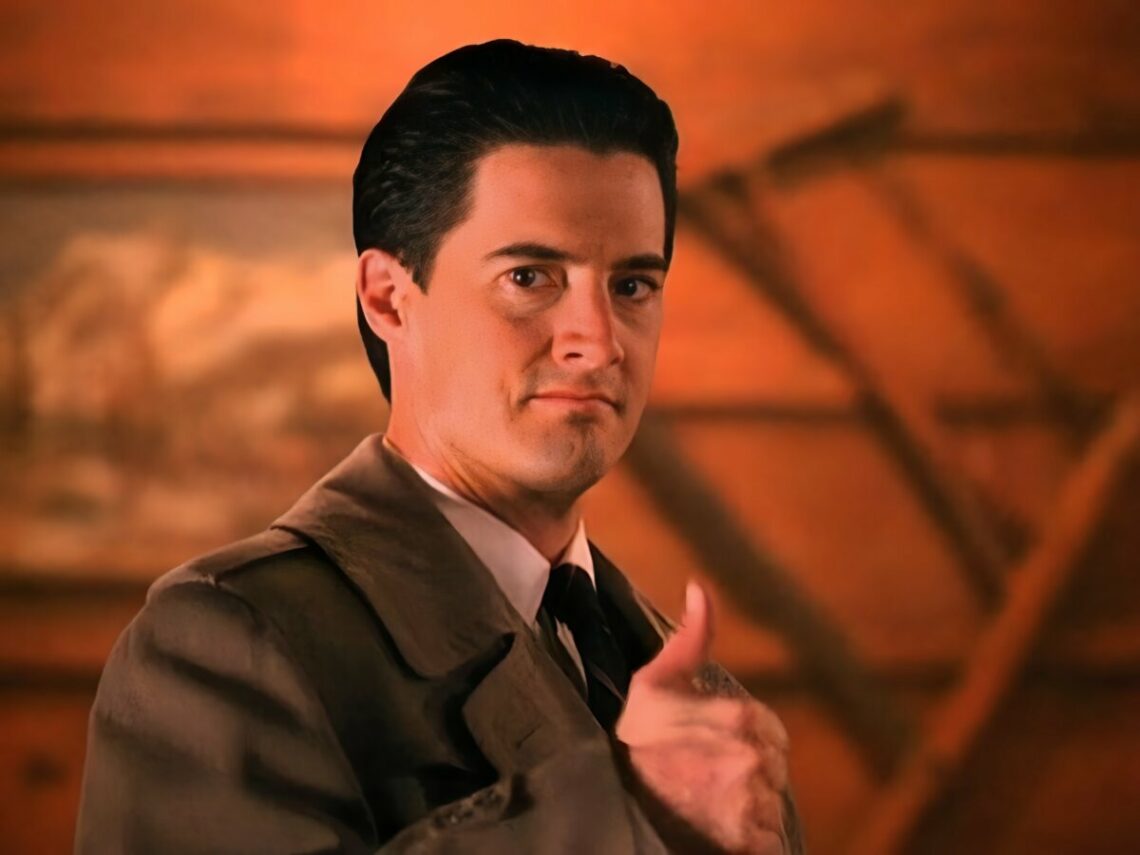
When David Lynch and Mark Frost found the real Twin Peaks: “Found the place that we’d written”

In 1990, Twin Peaks ushered in a new era for the TV medium, merging cinematic filmmaking and long-form episodic content, and at the helm were David Lynch, fresh off the back of his Blue Velvet success, and Mark Frost, who had a history of TV writing, most notably having worked on Hill Street Blues.
With differing backgrounds, as Lynch had no experience in television, the pair came together to make a show that blended genres and tone so masterfully that only the work of true geniuses could pull off something so complex.
Twin Peaks features many unforgettable characters, some more comedic than others, some simply terrifying, and some a perfect mix of humour and fear. It’s quite astonishing that Frost and Lynch were able to craft such a well fleshed-out ensemble of characters while retaining mystery, genuine thrills, and soap opera drama, which is most evident in the fact that one of the show’s most beloved characters is hardly in it, found dead in the first episode. The ghost of Laura Palmer lingers in every interaction, every sequence; she is the beating heart of Twin Peaks, even if she’s found blue and “wrapped in plastic” in the pilot episode, ‘Northwest Passage’.
Then there’s the actual town of Twin Peaks, which exists as a character, too, with the woods that surround the seemingly picturesque town hiding darkness and mystery, while the waterfall creates an ambience that feels calming yet possesses an undercurrent of danger, such that everything is not just as beautiful as it seems. Twin Peaks is a town defined by its saw mill, its trees and its woods, and if there’s one thing everyone knows about trees, it’s their close relationship to mysticism and history, with the belief that they can house spirits shaping much of the metaphysical side of the show’s themes.
So, how did Frost and Lynch find the perfect location for their fictional town? The pair went scouting in Washington, which they knew was the right kind of moody, rainy location for their show, which has a perpetually autumnal atmosphere to it. It was here that they found Snoqualmie; this had to be Twin Peaks.
“We drove out there and literally found the place that we’d written already existing,” Frost revealed to Entertainment Weekly, “It was a really weird moment of synchronicity”. The pair used many locations in Snoqualmie and its neighbouring city of North Bend for the show, including both exteriors and interiors, like the iconic waterfall in the credits of the show, which is Snoqualmie Falls, sitting next to Salish Lodge & Spa, the real Great Northern Hotel. The city’s Mount Si High School, which has since been demolished, served as Twin Peaks High School, while what is now Dirt Fish Rally School is the same building as the Sheriff Department.
Interestingly, though, the real Twin Peaks has experienced its own fair share of mystery and murder. Many bodies have been found in those very woods, which play such a prominent role in the show, while the road seen in the credits, the one with the ‘Welcome to Twin Peaks’ sign, actually played host to the murder of a woman and two of her daughters in 1999.
Dayva Cross murdered his wife and two stepdaughters in a house on Reining Road, while the third child, just 13 years old, managed to escape the captivity he was holding her in, which sounds like something from Twin Peaks, but sadly, this was very real and incredibly tragic, yet it’s also what makes the show so resonant.
The show tapped into the painfully real “evil that men do”, as Albert Rosenfield suggests, following the discovery of Leland’s guilt, which can happen anywhere and everywhere, and both before and after Twin Peaks, Snoqualmie has been an eerie breeding ground for the exact kind of abuse and tragedy that defines the groundbreaking series.
