


What is the story of ‘Frankie Teardrop’?

By the time of their 1977 self-titled debut, Suicide had been unleashing their provocative assaults of gristly electronic minimalism for years, playing CBGB back when it was known as Hilly’s on the Bowery long before Ramones had played their first set there, even using the term ‘punk music’ in an advert back in 1971.
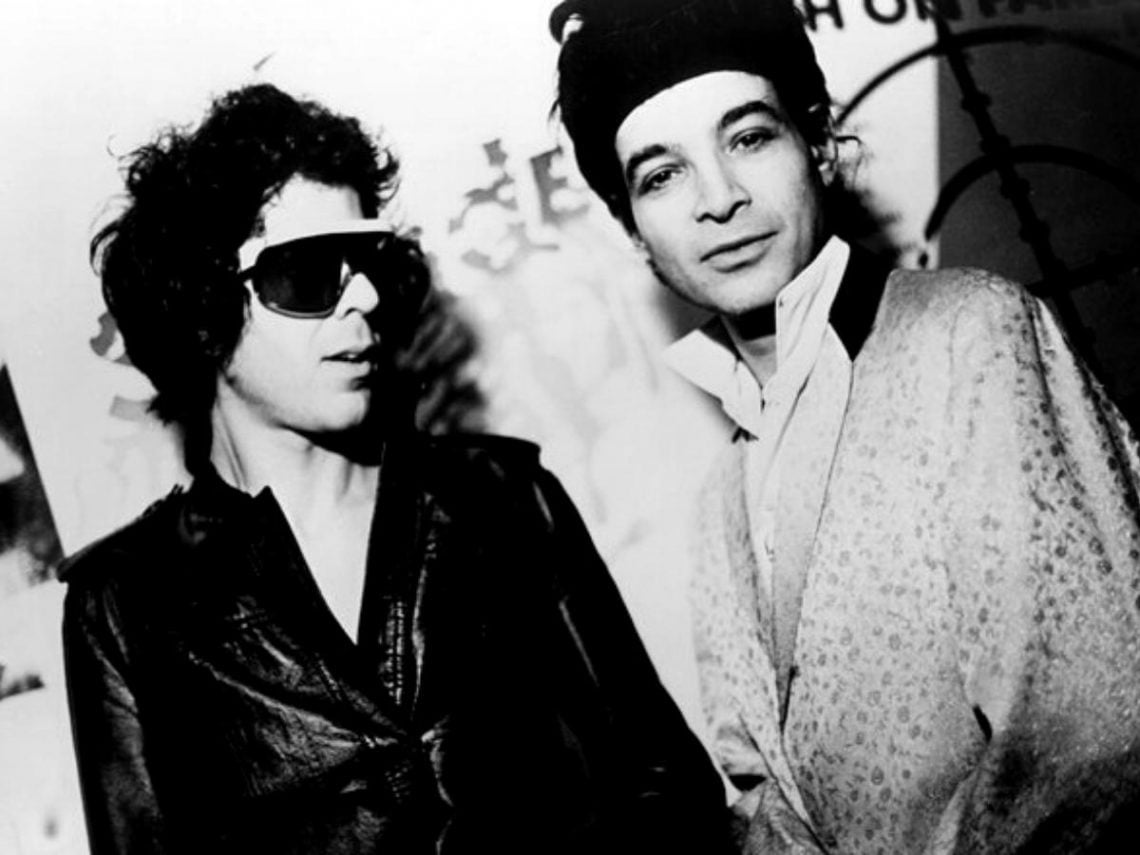
Confrontational in their very set-up, Martin Rev’s hissing Farsifa organ and beat-up drum machines lurking behind frontman Alan Vega’s warped exorcism of Gene Vincent was punk before punk and utterly alien.
Vacillating between urban horror and precarious romance, Suicide absorbed the late-1960s societal tumult and the scarred American psyche and recontextualised for the miasma of ’70s New York, Vega explaining to Pitchfork in 2016: “We were talking about society’s suicide, especially American society. New York City was collapsing. The Vietnam War was going on. The name Suicide said it all to us.”
The socioeconomic climate that received Suicide was a dire one. Long before New York City’s corporate redevelopment and Times Square’s ‘Disneyfication’, the Big Apple was a dangerous place fuelled by high crime rates and urban decay. Rev and Vega’s haunted snarls of violence, alienation, and national trauma lifted the veneer of a country in crisis with an all too real documentary urgency, wavering between faded 1950s Americana and a dystopian vision for the future. Among grubby gems like ‘Ghost Rider’ and ‘Cheree’, one track on their debut album still stands as their most uncompromising and terrifying.
Suicide‘s ten-minute descent into the downtown inferno is the knotted guts of the record, a raw, sonic excretion of shattered nerves and familicide. Inspired by a true story, ‘Frankie Teardrop’ details the violent snap of a 20-year-old factory worker stricken with poverty who shoots his wife and infant child before turning the gun on himself and writhing in hell.
Exploring hopelessness, patriarchal entitlement, and political indifference with brutal unsentimentality, ‘Frankie Teardrop’ captures with disturbing clarity the deadly consequences of navigating a society in which one has no stake.
Crusted with radio feedback and white noise smothering Rev’s brittle rhythm box, ‘Frankie Teardrop’s unrelenting caustic drone festers and wriggles in the mind, illustrating one’s ebbing sanity like a maddening ring in the ears. Vega’s panicked narration thrusts the listener deeper into the paranoid snapshot, a mumbled, chaotic slew of hidden turmoil and urges punctured with some of the most chilling screams ever heard in popular music. The most unsettling lines are the confusion that plagues the troubled protagonist. “Oh, what have I done?” evokes a bleak picture of ‘head in hands’ despair while the bodies of his loved ones are growing cold.
For such an intense trip into nihilism, ‘Frankie Teardrop’ has garnered high praise from unlikely artists. Lou Reed allegedly once claimed to have wished he’d written it, and heartland rocker Bruce Springsteen was so enthralled with Suicide’s terse vignettes of a festering America it inspired the austere Nebraska, ‘Frankie Teardrop’s’ influence all over the record’s ‘State Trooper’.
A perennial warning against the violence that can hide in every household and stoked with the right degree of social ruin, Vega’s anguished howl of “We’re all Frankies” manifests ‘Frankie Teardop’s’ chilling timelessness.
