


What is the most expensive music festival in the world?

I thought I was gutted to have missed the chance to see Stevie Wonder at a London festival this summer. The Motown legend is an iconic symbol for most music fans, but he holds a special place in my heart. For his voice soundtracked what are genuinely the first music memories I have. Standing besides my uncle’s speaker system, listening to the bassline of ‘As’ I began to realise how much I love music.
So why on Earth did I miss him this summer? Well, BST Hyde Park doesn’t exactly make it onto my annual festival radar. I would never really regard it as a festival. Partly because it’s in central London, partly because I don’t have to camp, but mostly because its real title is ‘American Express presents BST Hyde Park’.
Nothing screams social liberation like a mega financial corporation sponsoring it. And ordinarily, I would be willing to overlook such a contradiction, for the simple fact that music is in dire straits right now and a well-funded platform for artists to play is a good thing. But having attended smaller version of corporate-run festivals, I’ve had the misfortune of seeing how they operate inside.
One brand activation actually involved hosting a silent disco in a pop-up bar next to the stage, and in turn, actively inviting crowd members to come inside and ignore the live music. A far cry from the days of libertarian resistance that the entire premise of festivals was built upon.
This switch to corporate-led festivals is the front-facing symptom of an industry-wide change. A swell of commercialism has engulfed what was meant to be an authentic premise for the simple fact of how lucrative the events can be for certain sponsors. Modern society’s incessant desire for aesthetic memories, driven by social media influencers, has changed what the landscape of festivals can be for the right sponsor: no longer an escape from commercialism but now a breeding ground for its peddling.
But the injection of corporate cash hasn’t benefited attendees. Not only have they sanitised the experience inside the gates, but the prices have risen too. Festivals are now more expensive than ever before, with the average festival ticket in the UK costing £301.24.
But what is the most expensive festival?
In order to fairly access each festival against one another, its worth concentrating their price down to a day. Because while Glastonbury’s ticket price comes in over average at, £373.50 plus a £5 booking fee, totaling £378.50, it is the only 5 day festival in the UK calendar. So per day, it works out to £75 a day, which is far cheaper than some of its counterparts.
While BST Hyde Park is unsurprisingly at the top, coming in at £101.95 for a day ticket, its pipped to the post by a festival with a much richer legacy and arguably more of a duty to uphold. Leeds and Reading tops the list with their tickets working out to £125 per day, making it the most expensive festival in the UK.
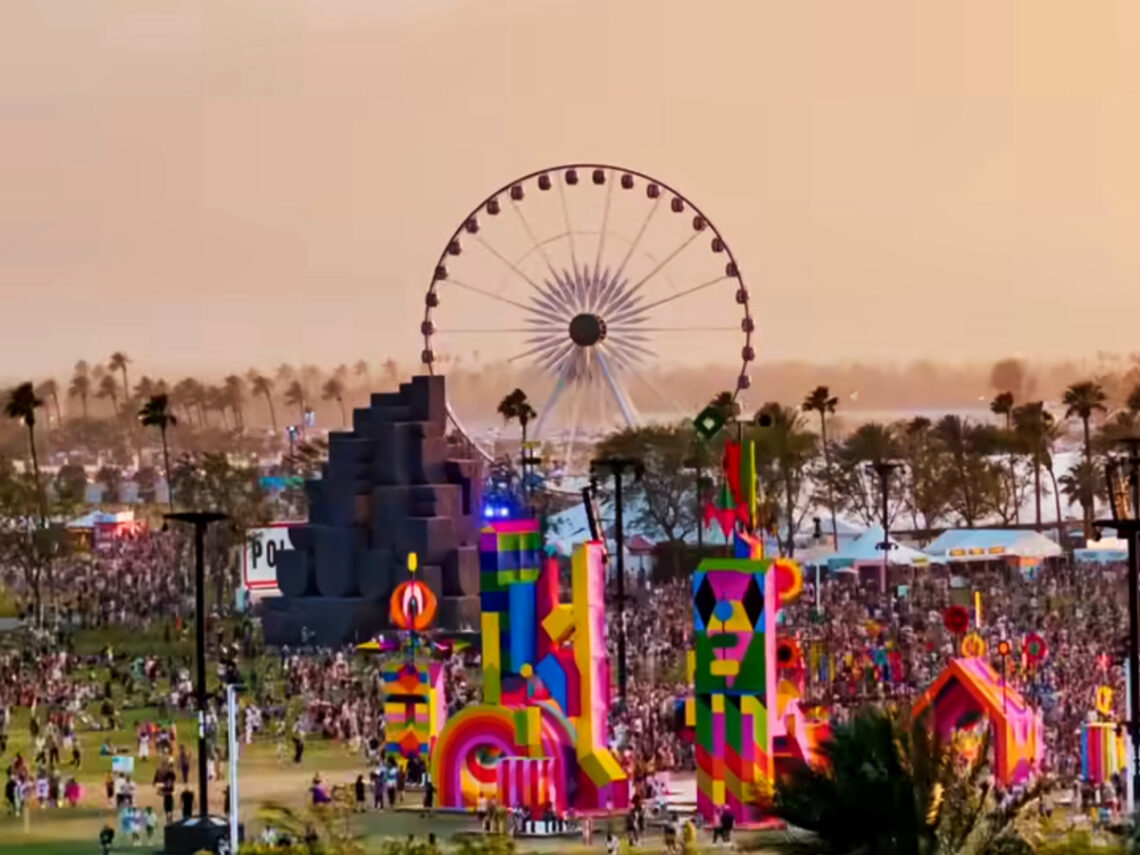
The leader of the global list for most expensive festival is yet again, unsurprisingly. What some would call a music festival and others an influencer mass meet-up charges its punters the equivalent of £187 a day. It is, of course, Coachella.
Out in the depths of the Californian desert, with no real perks besides a Ferris wheel and a $15 beer, is a festival that prides itself on exclusivity and therefore prices itself well outside the realms of working-class people. Talk about sticking it to the man.
