


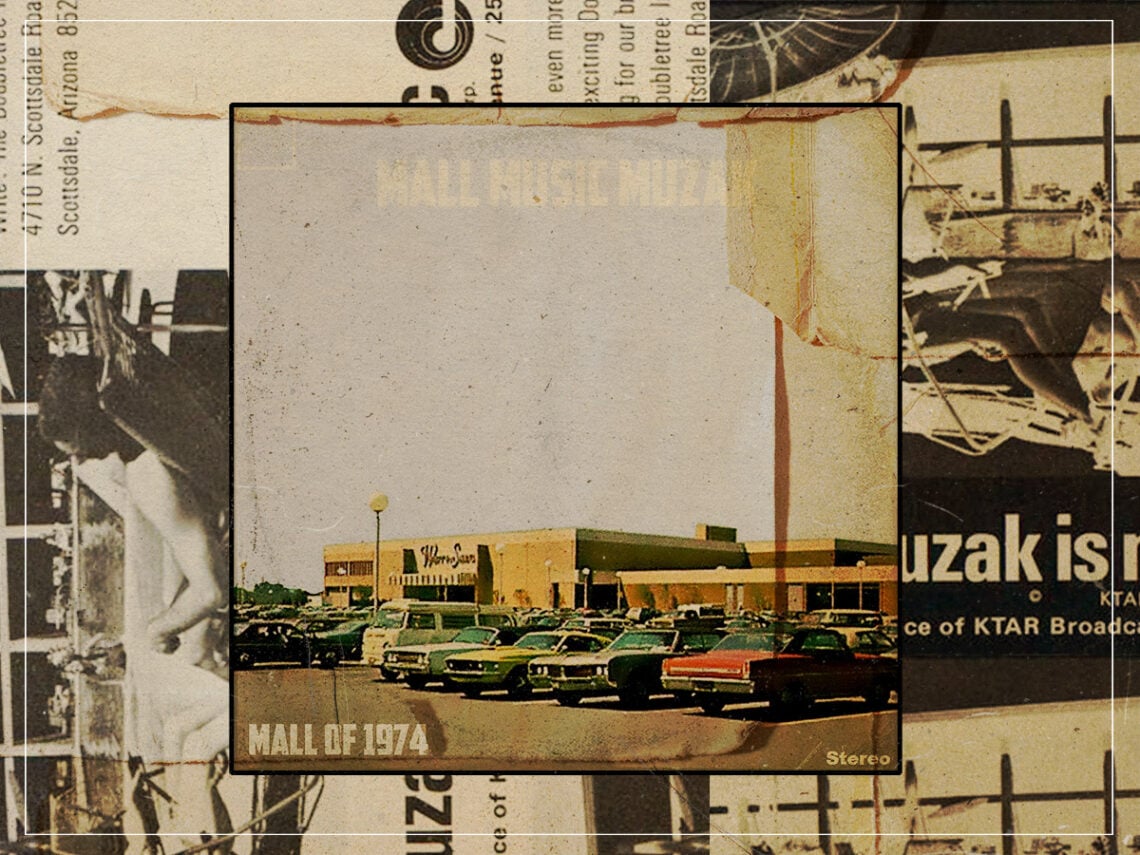
Background music as a means of brainwashing: what is Muzak?

Muzak is virtually unavoidable in everyday life. Elevators, shopping centres, and supermarkets are all plagued by this style of easy-listening music, distracting passers-by from the cold, harsh reality of silence. The likelihood is that all of us have encountered Muzak at some point, but what exactly is it? Muzak is not a specific genre or style. It is simply background music. Rage Against the Machine could be Muzak if it was played in the background. Still, most of us think of the music as having a specific style akin to easy listening or lounge music.
In actuality, Muzak is a brand name, not a musical style. The origins of the brand date back to the early 20th century, when George Owen Squier devised a way of transporting music across telephone lines using multiplexing – so you can thank Squier for all the hours you have spent on hold listening to distorted versions of the day’s pop songs. Eventually, as radio technology became more advanced, Squier shifted the company’s focus to providing background music for factories, offices, and the like. It was around this time, in 1934, that he coined the term ‘Muzak’ as the company’s name.
Apparently, the name took inspiration from Kodak, which was meaningless. Nevertheless, Muzak proved to be a successful company and was soon bought out by Warner Bros. Since then, the company has passed through various different hands, expanding into many more aspects of everyday life, including barber shops, offices and waiting rooms. In fact, during the post-war economic boom of the 1950s, Muzak was seen as a key element in keeping the workforce efficient and hard-working, so much so that the company began to experiment with their own compositions, which had the ultimate goal of reducing listener fatigue and improving productivity.
It was these compositions, usually composed in 15-minute chunks, that formed the style of music that is now often known as Muzak. As the popularity of the system increased, the company began to employ orchestras and top studio musicians to compose their unique brand of background music. However, with the rise of pop music in the 1950s and 1960s, Muzak began to lose favour in the minds of employers. This falling relevancy was not helped by the reputation Muzak had begun to have for brainwashing workers and manipulating minds.
During the 2010s, the Muzak company filed for bankruptcy and was eventually bought out by Mood Media, which quickly announced that it would retire the Muzak brand name. Nevertheless, the company name remains something of a catch-all term for easy-listening background music.
Ultimately, Muzak’s influence was not limited to factory floors or elevators. The smooth jazz stylings of a lot of Muzak background music began to have an effect on pop music itself. For instance, 2 Tone progenitors The Specials drew upon the distinctive style of background music for their sophomore album More Specials. Incorporating elements of Muzak into rock and pop helped to legitimise background and easy-listening music as a genre within itself, in addition to adding an interesting new layer to groups like The Specials.
While Muzak, as a company, may be dead and buried, the concept and importance of background music have rarely wavered. Sure, today, you are more likely to hear the Top 40 blasted at you during your weekly shop or while you are on hold, but the spirit of Muzak is still there, slowly manipulating your mind to be more productive and talk back less.
How did the word ‘Muzak’ get its meaning?
Muzak is a brand name, yet it has since become a general title for any kind of background or easy-listening music you come across. Due to the brand’s heavy presence in everyday life, plus its dominance over the field and competitors, it is likely that consumers simply could not separate the idea of background music from the company that supplied it. We have seen this before, with the brand name Hoover becoming a general synonym for vacuum cleaners or people saying ‘Tannoy’ when they mean ‘public address system’.
The word ‘Muzak’ is, in itself, meaningless. Reportedly, the inventor, George Owen Squier, was taken by the nonsensical brand name of Kodak. As a result, Squier simply combined Kodak – which, incidentally, is meant to be reminiscent of the sound of a camera shutter – and combined it with ‘music’, leading to the term ‘Muzak’.
