


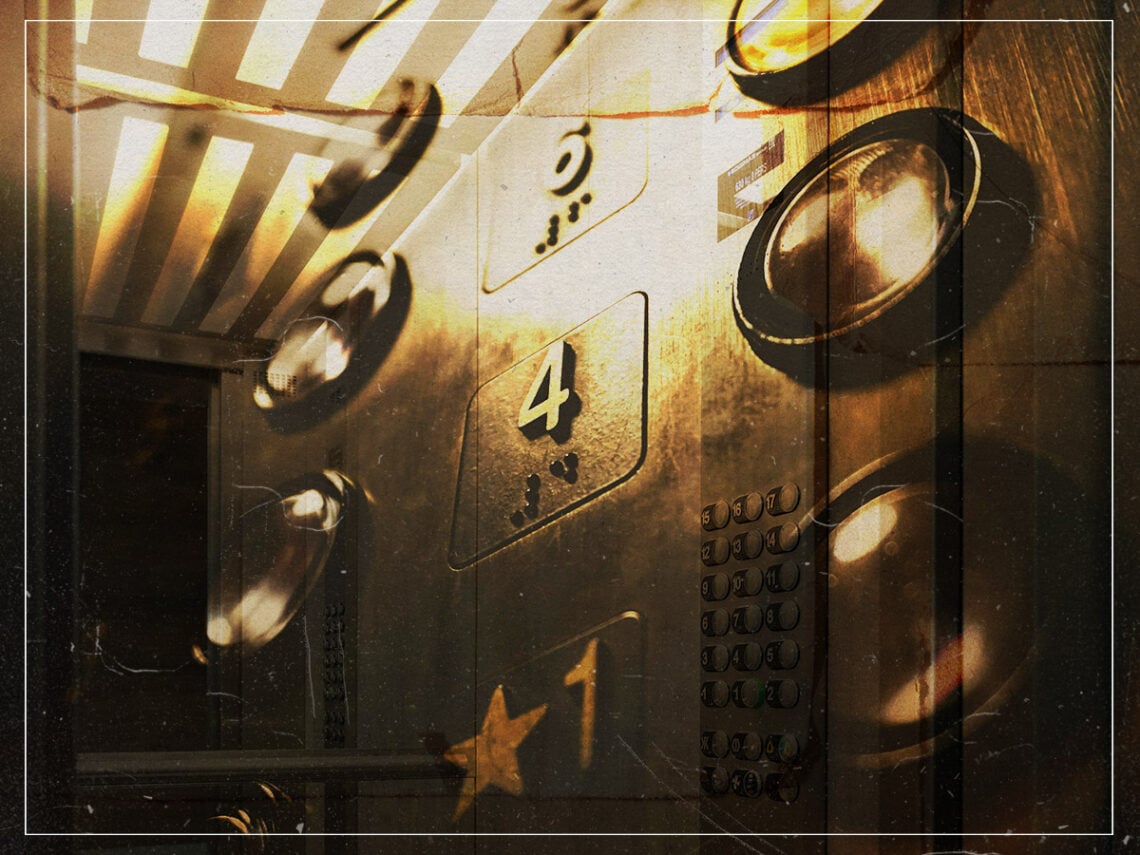
The strangely dark history and purpose of elevator music

Beyond the lighthearted, almost humorous modern-day connotation of elevator music, there existed a time when its function was more widely understood. Unlike conventional music, elevator music was initially crafted as a practical tool intended for utilitarian purposes rather than entertainment. A conduit for the productivity of the workforce, you might even say.
Elevator music, also known as Muzak, has a fascinating history that dates back to the early 20th century. Originally, it was created as background music to be played in elevators, hence the name. However, its purpose extended beyond elevators to various public spaces like shopping malls, hotels, and office buildings.
The concept of elevator music emerged from a desire to create a pleasant and unobtrusive atmosphere for patrons and customers in these spaces. It was believed that soft, instrumental music could help reduce tension and anxiety, as well as create a more relaxed ambience. However, various sources are still unsure of the level of truth in this theory.
The inventor of Muzak is said to be George Owen Squier, an American Army officer who invented a system for transmitting music over electrical wires in the 1920s. However, in the 1950s, the tempo and genre of the background music played throughout the workday in different environments were carefully curated to uphold productivity.
In turbulent, transformative, yet deeply traumatic post-war societies, the purpose of this music was to be easily listened to. As Muzak advertisements described it, it was “to be heard, not listened to”. As this music lulls listeners into a deceptive sense of tranquillity, it also theoretically transports them into the peculiar liminal realm of the elevator itself — a space of anticipation and eerie familiarity as passengers recognise the melody of a lifeless tune.
The influx of elevator music across retail stores and other spaces designed to take your money is easy to unpack, especially considering the fact that consumers become more likely to buy products if they’re not stressed. Hence, the consequences of crafting music that effectively influences people’s behaviour open up a can of worms if you consider deliberate efforts to manipulate potential customers for profit subconsciously.
Moreover, the notion of this music specifically being paired with elevators evokes a sense of unease. The elevator environment, an already inherently discomforting place as passengers crowd together, often in silence, awaiting their floors, contrasts with the accompaniment of music, which implies a necessity to fill the void, striving to amend our relationship with silence.
Extending beyond the confines of the elevator and onto the storefront, it transitions from a matter of discomfort to a reflection of societal norms and values. While many of us today dismiss store or elevator music as nothing more than poor choices or a lack of music licensing, the origins of such auditory environments are deeply entrenched in capitalist ideologies and the subjugation of the masses. It’s as the old belief goes, capitalism is the death of art, hence the seemingly low quality of elevator music.
Considering its roots, it’s easy to understand why Muzak gained such negative connotations in today’s landscape – we tend to associate it with amateurism; even John Lennon rather scathingly referred to Paul McCartney’s songs as sounding similar to Muzak in his song ‘How Do You Sleep?’. Moreover, it’s still often used in retail spaces to generate calm among shoppers and avoid intrusiveness. Of course, you will still encounter spaces that use music as an abrasive addition to appeal to younger generations, but typically, elevator music is the blank canvas that continues to influence corporate areas.
While a study in 1982 put it succinctly, stating that slower-tempo elevator music in stores helped to encourage higher sales volumes, it’s easy to see this as a prevalent factor in its current usage. We can largely ignore this type of music wherever it may occur due to its ability to blend into the background, but perhaps that’s a significant indicator of ownership and control in today’s world – are we still being herded like sheep, seen as nothing more than pawns for potential profit? Quite possibly. But at least it knows what it wants to be: Muzak was created with business and labour in mind. Today, this isn’t all that different.
