


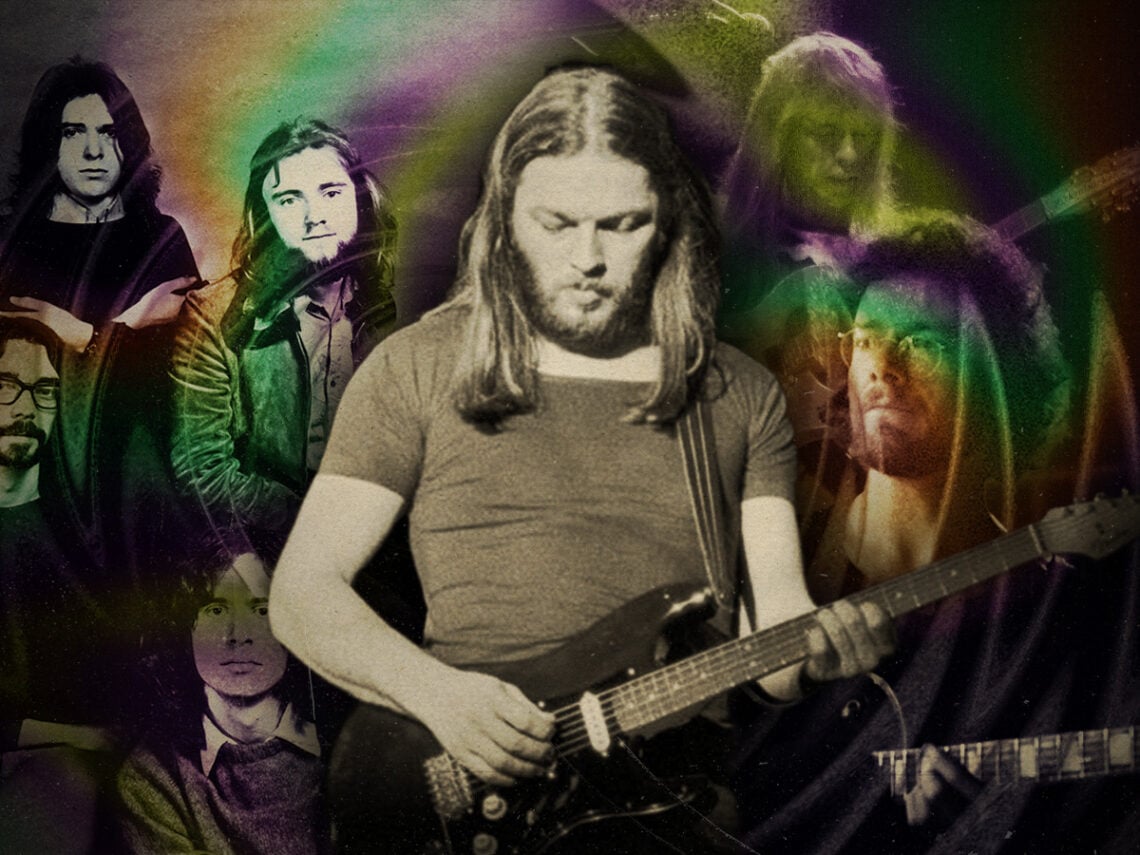
What exactly is prog rock?

It says a lot that even the stalwarts of modern prog rock – Ian Anderson, Peter Gabriel, David Gilmour – fumble over their words whenever they attempt to define the genre.
Some have done it better than others, but even then, they still seem to fall into the same traps of vague descriptions and loose definitions of forward-thinking innovation rather than pinpointing anything concrete.
Even Gabriel, someone who is often lumped together with those who pioneered the entire genre during its most explosive boom, couldn’t quite venture past the usual go-to lines suggesting it was merely “a lot of extraordinary musicians trying to break down the barriers to reject the rules of music”.
So, what does it mean, exactly? Well, according to Anderson, the clue is in the title.
The term ‘progressive’, as it appeared within the cultural context of the 1960s and 1970s, emerged during a time of immense experimentation and innovation. There’s a reason why people often attempt to trace its roots back to the Beatles’ work on Sgt Pepper and even Revolver, and it’s because they were effectively rejecting the rules of music, as Gabriel said, pushing boundaries to evolve beyond the realm of mainstream rock.
It became, in essence, a game of expanding music beyond its own capabilities, incorporating various elements of different genres, like the longer, instrumental features of jazz and classical, alongside other cultural norms like Indian music and new tech, to test the limitations of musical art and make it more immersive and thematic.
Then, records like King Crimson’s In the Court of the Crimson King, Pink Floyd’s The Dark Side of the Moon, and Genesis’ Selling England by the Pound furthered these elements, turning the experimental into the outlandish, presenting complicated time signatures, extensive arrangements and nuanced production to tell longer, extensive stories that reflected inner turmoil, societal decay, and dark critiques of war and the establishment.
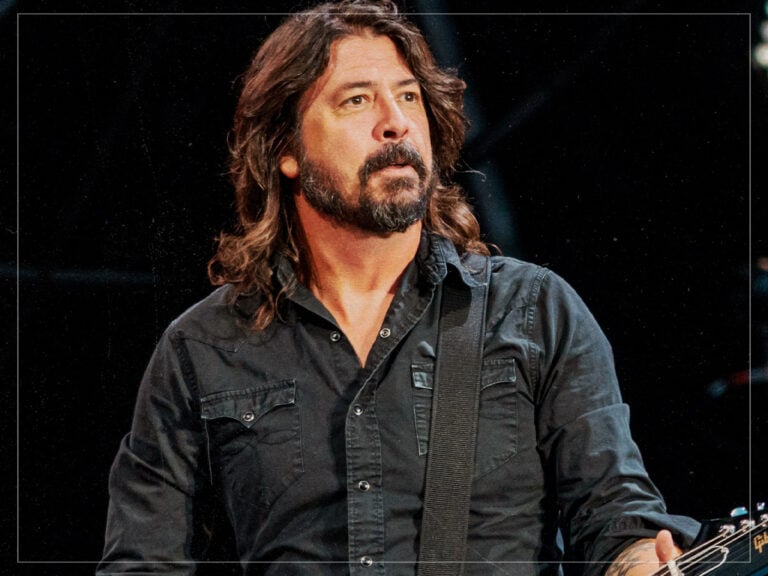
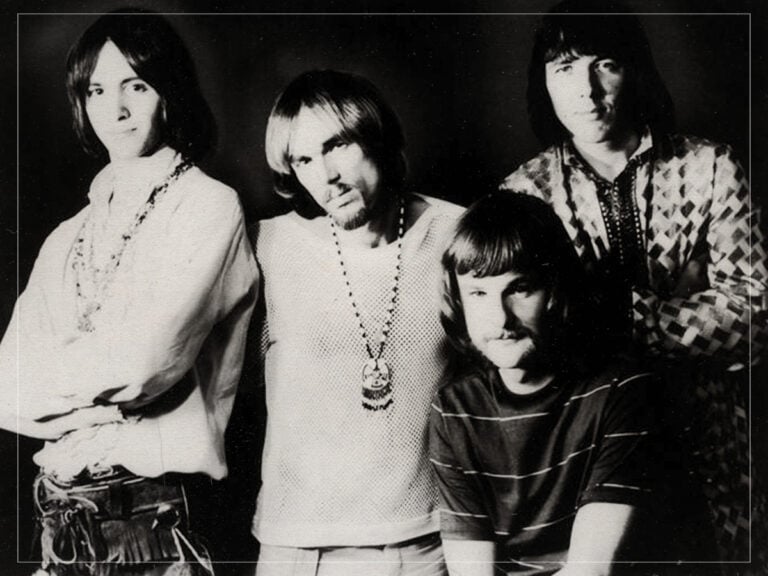
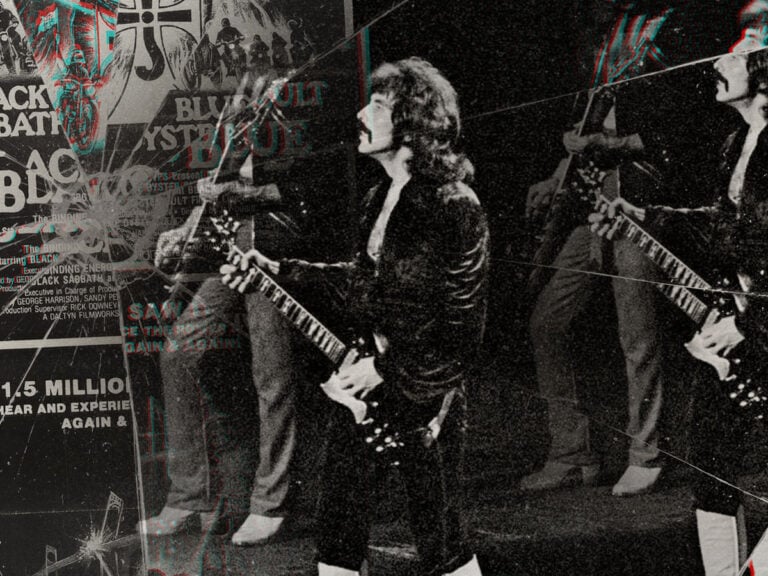
Funnily enough, many of these major players have at one point or another dismissed or rejected the prog rock label entirely, with King Crimson’s Robert Fripp calling its lyrics “the philosophical meanderings of some English half-wit who is circumnavigating some inessential point of experience in his life” and Gilmour delivering a similar level of indifference, admitting he “wasn’t a big fan of most of what you’d call progressive rock”.
However, that itself reveals what prog rock actually means and brings us back to the clue in the title. And also why Anderson argued that there’s a difference between ‘progressive rock’ and ‘Prog Rock’, with the former landing somewhere with more legitimacy and authenticity and the latter with connotations “of grandeur and pomposity”. At its most authentic, it is, as Jon Anderson of Yes once called it, “a higher art form”.
Prog, therefore, in its truest form, is ambitious, innovative, eclectic, and complex. While this broadens the criteria for what may fall into its description, this is also sort of the point: prog, quite literally, rejects tried and true conventions, progressing beyond what has already been done and establishing new ground for artistic expression. It’s a loose term, filled with countless sub-genres, but its core ethos of taking music where it has never been before remains the same.
