


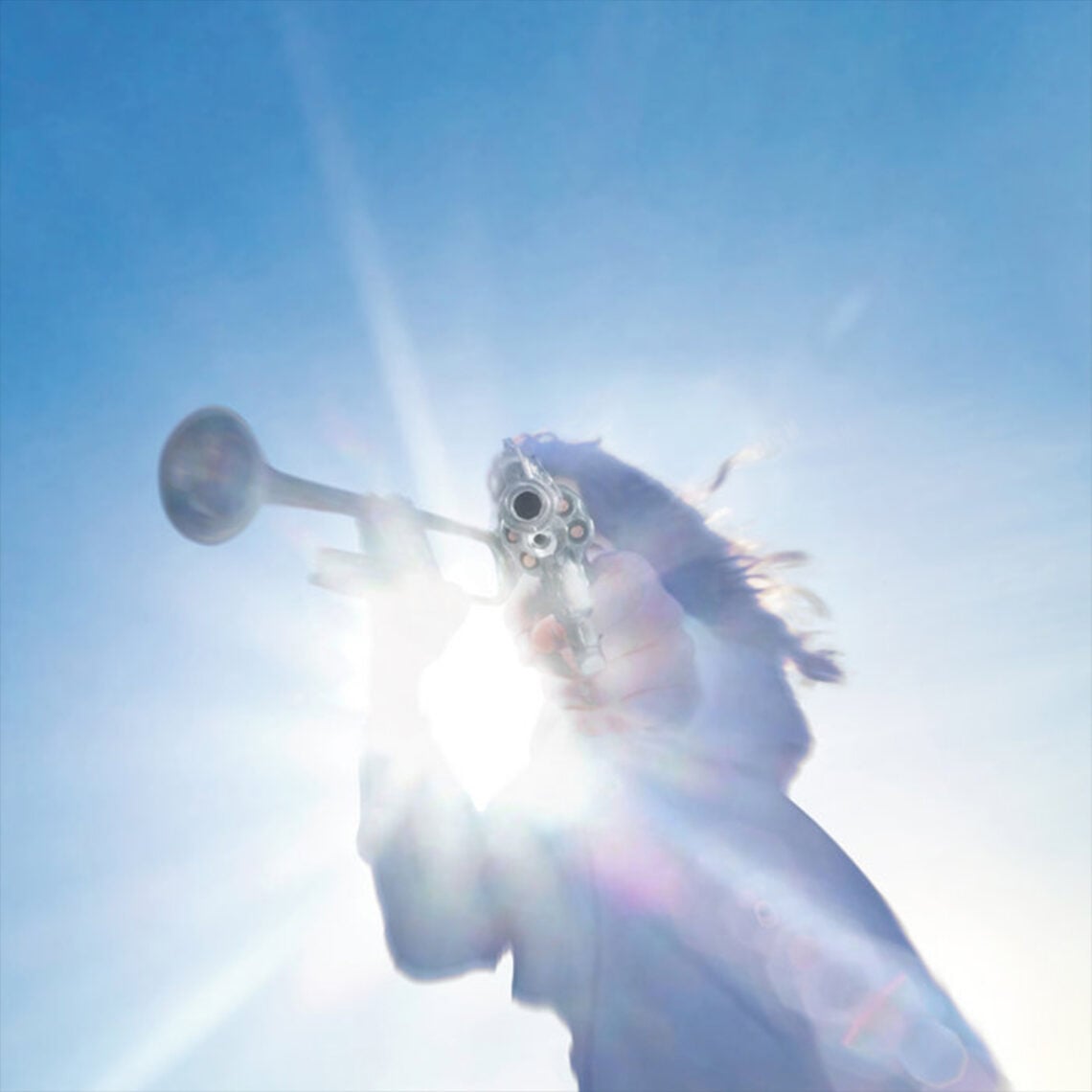
What does ‘Au Pays du Cocaine’ actually mean?

The most appreciated track on Geese’s fourth studio album starts a bit like a nursery rhyme, which is exactly the opposite of what you’d expect from a song whose title translates to ‘In the Land of Cocaine’.
Like its album Getting Killed, it got a monster response since its release last September, possibly affirming that a sentiment of anticipated adulthood might have felt relatable to many.
“You can change, you can change” is repeated unremittingly, as the song’s narrator pleads for his partner to stay despite their newfound differences. The infantilising melody, captured in the song’s music video, perfectly depicts someone unwilling to let things change as they should.
The sentiment is repeated so much, it loses its conviction, echoed in the later line “You can stay with me and just pretend I’m not there”, in which listeners are sure to understand that the narrator knows deep down that their partner has outgrown them.
The melancholic track lulls indie and rock beautifully together, gearing listeners to a world already lost through lenses tinted with nostalgia. The title is the biggest clue as to where the longed-for lover would have gone, although it’s also hinted at in the lyrics: “Like a sailor in a big green boat”, green being a symbol for bad luck at sea. Although it may be a call for isolation and adventure, it may also be a wish for someone to fail on their journey, or to end up somewhere like ‘Au Pays du Cocaine’.
The title is a play on the Renaissance painting Het Luilekkerland, composed by Pieter Bruegel the Elder in 1567, which, translated into French, reads, ‘Le pays de Cocagne’, meaning ‘In the land of plenty’. Cockaigne was a land imagined in the Middle Ages, serving as a sharp contrast to peasant living, a utopia of ease and luxury, far from struggle, hunger, and war. The painting illustrates this plentiful heaven by placing simple workers in a restful haze among bountiful tables and hallucinatory compositions of sausage fences and food going to waste.
This paradise on Earth is rewritten for the age of excess, in which debauchery and flickers of addiction can haunt someone to stay wrapped in its fantasy, well away from those who love them. The self-destructive element is framed for our generation’s 20-something perpetual immaturity, which was captured perfectly by director Milo Hume in the song’s show-stopping music video.
“Cam and I were listening to the unreleased album in my living room this past June,” he told ABC Australia back in October, “‘Cocaine’ came on, and I was struck by how serious he looked while hearing it. His lyrics have this almost lecturing, forceful tone, but who could he be addressing, if we played that idea a bit? By the second ‘baby’, it suddenly became obvious.”
The video frames a man-child who is believed to be lecturing his younger self, but ends up in a crib by the song’s end, and this left fans pondering endless combinations of meanings of whether the narrator is stuck in Neverland or in a loop built out of denial. Regardless, one thing is certain, which is that no one can begrudge the desperation captured in the song’s vocals as they yearn for someone who’s too far gone.
