


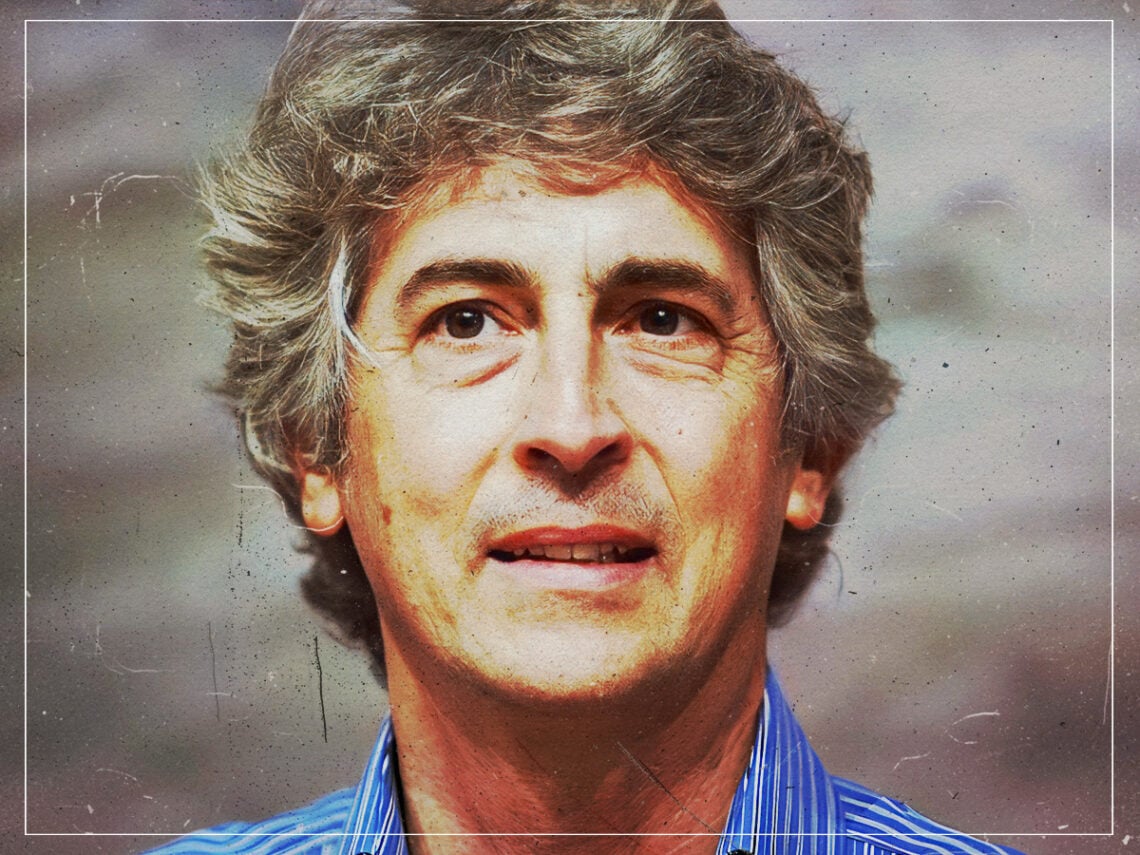
How the western genre has shaped the filmography of Alexander Payne

Talk about some of the most neglected filmmakers of modern cinema, and Alexander Payne has to be part of the conversation. As quintessential of an all-American filmmaker as someone like Clint Eastwood or Steven Spielberg, but with arguably far more stylistic poise, Payne has directed some of modern cinema’s greatest masterpieces about the transformation of American values.
Though his films are often shrouded in a layer of cynical comedy, the texture of his tales beneath the surface speaks to the essence of the American soul. Focusing, more often than not, on male protagonists, his films delve into the national consciousness and extract an existential truth that demonstrates just how far the country has come since the days of the chaotic Wild West.
Indeed, his films share a great deal with the outbound exploration of the Wild West, with 2002’s About Schmidt and 2013’s Nebraska concerning themselves with grand trips across the country, where the respective protagonists learn more and more about themselves with every mile they pass. Even his beloved 2004 Oscar-winning comedy Sideways tells the story of two friends who venture to California’s wine country, where they delve deeper into each others’ psyches than ever before.
Such explains then why many of Payne’s own favourite movies reside in the western genre, picking out such classics as 1962’s Ride The High Country by Sam Peckinpah and William Wellman’s 1951 film Westward the Women. In fact, Payne goes one step further when speaking about the latter, calling it a “completely neglected masterpiece” that shaped his own future career.
With a story from the great Frank Capra and a screenplay by Charles Schnee, little has indeed been written about Wellman’s classic, which tells the story of a trail expert who helps to guide 150 women from Chicago to California. Feeding into Payne’s own love for western road movies, the film isn’t quite as humorous as his, speaking to a more cruel truth about the reality of such a time period.
“These women are warned that about half of them are going to die along the way,” Payne explains of the film, “And that’s what happens. It’s a really brutal, you could almost say pitiless film, but it’s deeply moving and deeply emotional. It’s a western in which I cry about three times, and you just can’t believe how good this movie is. You can’t believe that more people don’t talk about it”.
The film, along with many of Payne’s other favourites, has long inspired the director to make a western of his own, even stating at TIFF 2023, “I somehow think these nice little comedies I’ve made are leading me toward my true destiny, I think, and hope, which is westerns”. Let’s hope that long-awaited genre flick is just over the horizon.
