


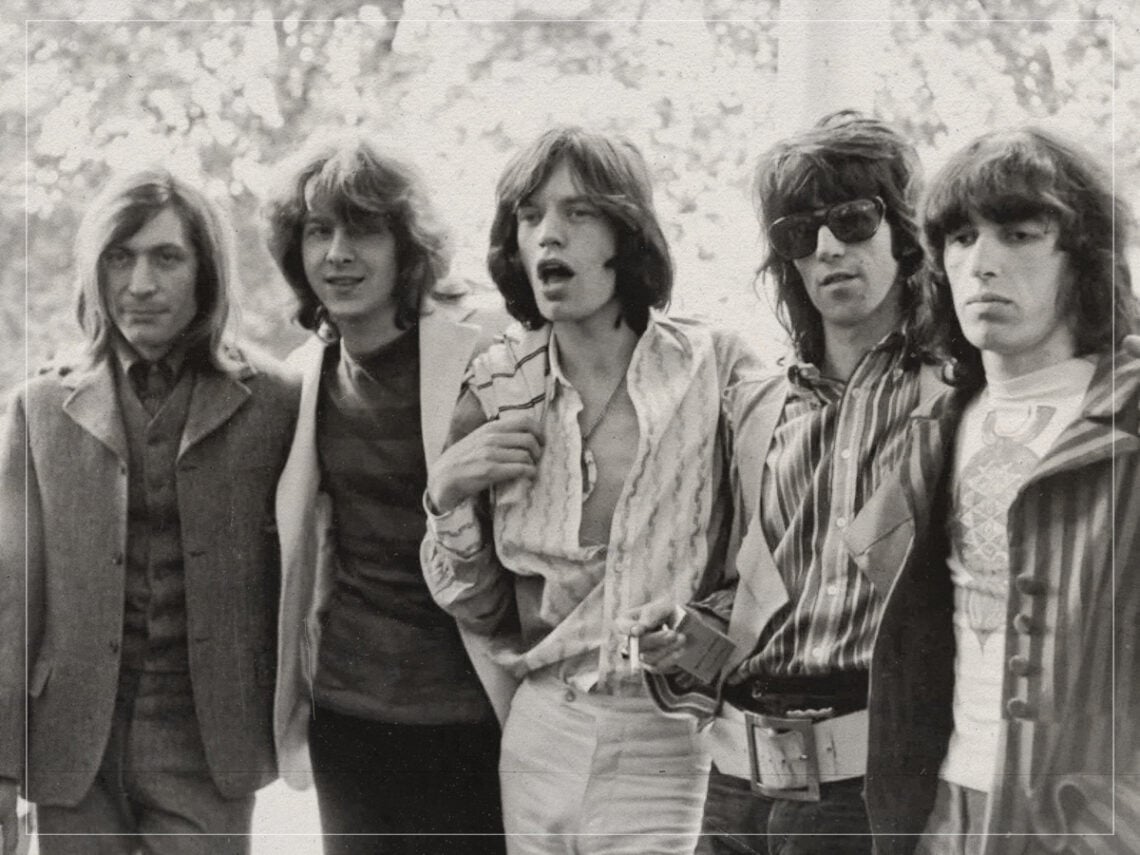
“They were going to kill him”: How the weather saved Mick Jagger from a crazy 1969 murder plot

Looking out across the water of his Long Island home, during a stormy night in 1969, Mick Jagger found himself completely unaware of the danger he was in, as somewhere across the choppy seas, a gang of tooled-up, leather-clad bikers set out on a mission to claim the life of The Rolling Stones’ pouting frontman.
Assassination attempts might sound rather ludicrous within the realm of a rock and roll band, but during the hedonistic heights of the late 1960s and early 1970s, The Rolling Stones amassed a countless array of seemingly unbelievable anecdotes. Whether it was their drug-fueled jaunt through Marrakech, Keith Richards sleeping through a house fire, or the endless number of drug busts that the band attracted during that time, The Stones’ existence was far removed from the normality of their early days, playing blues covers in the nightclubs of London.
Even still, the idea that somebody – let alone a gang – would plot to assassinate Mick Jagger is a pretty unbelievable pill to swallow. Why, after all, would anybody go to the effort of killing a rock performer in 1969? Sure, the US government had their concerns over the band turning a generation of politically alienated youths into ‘street fighting men’, but those concerns weren’t grave enough for the CIA to divert their attention from Vietnam, Cuba, or Russia to hand Jagger an exploding microphone. Instead, the architects of the plot were bikers; Hells Angels, to be precise.
In December 1969, on the advice of their hippie comrades, The Rolling Stones hired the Hells Angels as a security team for their infamous show at the Altamont Speedway Free Festival. What was originally intended to be the West Coast’s answer to Woodstock, The Rolling Stones were the concert’s headliners, and in an effort to save some money, as well as preventing police presence at a gig where drugs would be free and easy, the Hells Angels seemed like the best bet.
A questionable decision, admittedly, but then Jagger was 26 years old and surviving on a cocktail of illicit substances at the time, which surely impacted his decision-making prowess. Either way, the show was disastrous, with the bikers being about as much use as a security force as you would expect drunken gangsters to be. Fights broke out across the crowd, acid trips went bad, and the scene deteriorated rapidly to the point where an 18-year-old audience member, Meredith Hunter, lost their life.
Hunter was seen pulling a gun from his jacket after rushing the stage with other fans, and was immediately set upon by the Hells Angels, including Alan Passaro, who stabbed Hunter 16 times, killing him. The Stones themselves weren’t aware of what was happening at the time, although they did stop the concert on multiple occasions to call for peace.
Once the gruesome details emerged, though, the band, along with the entire counterculture movement, understandably distanced themselves from the Hells Angels, which the biker gang didn’t take too kindly to. So, shortly after the show at Altamont, according to a 2008 documentary on BBC Radio 4, a group of Hells Angels boarded a boat filled with weaponry and set sail for Jagger’s Long Island dwelling.

“They were going to kill him in retribution for his firing their security forces,” explained former FBI agent Mark Young, who – along with the rest of the Bureau – only found out about the plot after the fact. Luckily for the songwriter and the future of rock and roll, the bikers hadn’t taken into account the stormy weather of winter in New York.
Harsh waves and dismal sailing conditions meant that the plan was soon abandoned, and the bikers were lucky to make it back to dry land in one piece themselves. So, unbeknownst to himself or anybody else other than those bikers, Mick Jagger had successfully evaded an assassination attempt with some assistance from Mother Nature. Needless to say, the band tended to use proper, licensed security firms for their gigs after that.
