


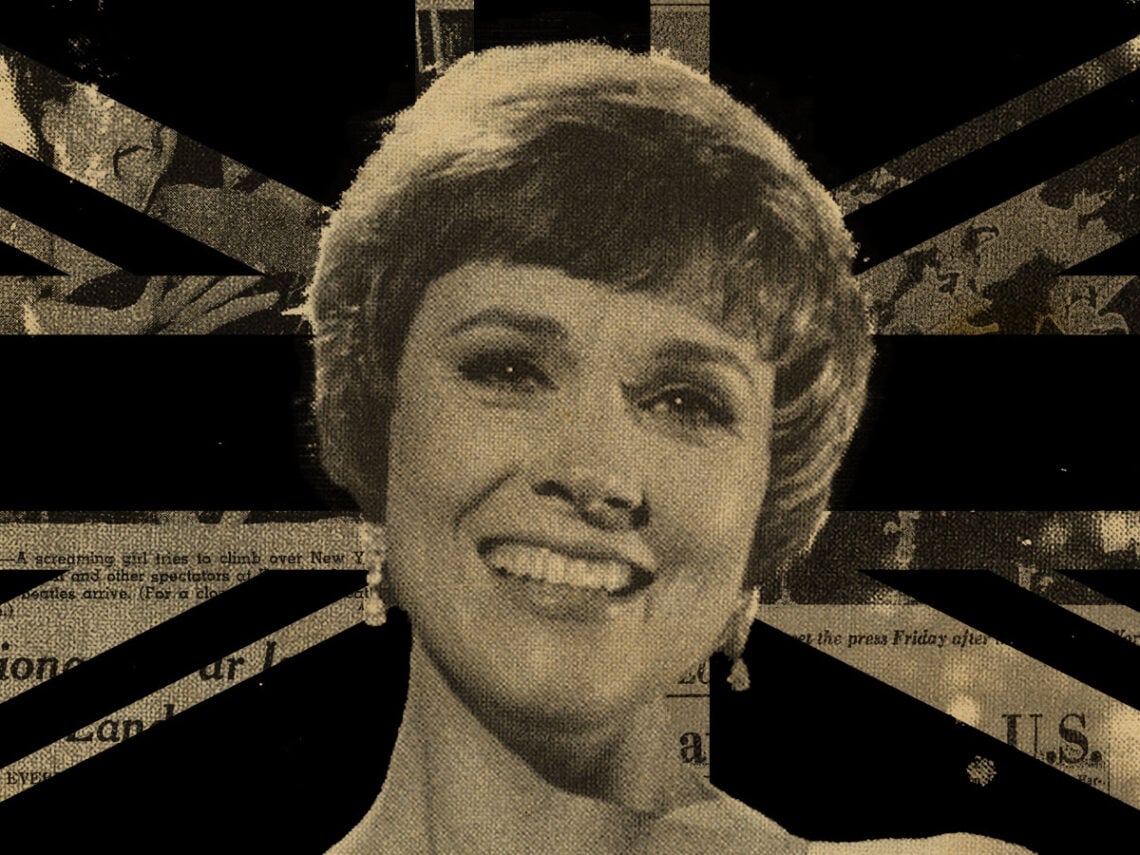
Was Julie Andrews actually part of the British invasion?

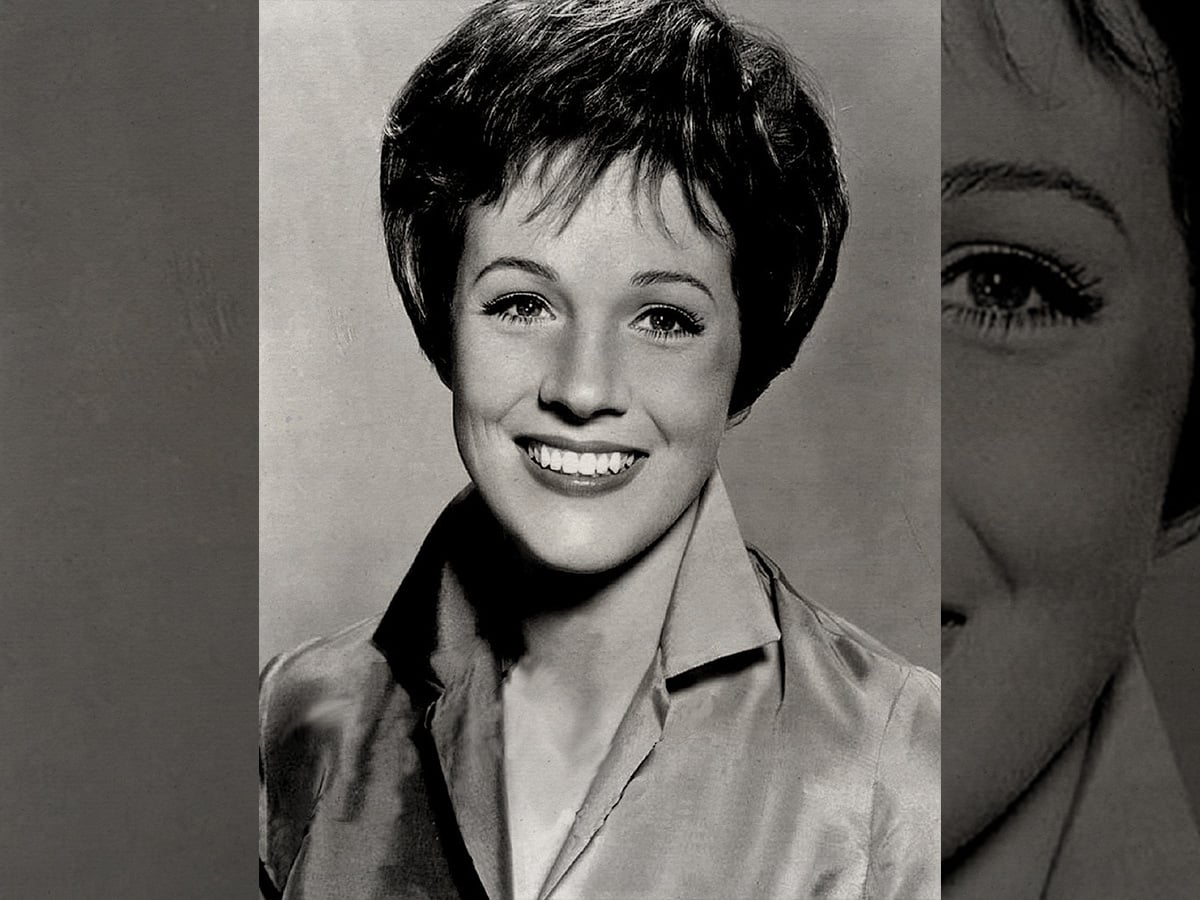
In 1962, when The Beatles were still cutting their teeth at the Cavern Club and The Rolling Stones were playing their very first gigs in London, a 27-year-old stage actress named Julie Andrews was already one of the biggest stars of the West End, playing one of the leads in Camelot after rising to fame as Eliza Doolittle in the original stage production of My Fair Lady.
American theater audiences were well aware of the Surrey-born actress who’d starred alongside Rex Harrison in the Broadway production of My Fair Lady in the late ‘50s, and when the musical was acquired by Warner Brothers for a film adaptation in 1962, Harrison quickly signed up to carry on his role as Henry Higgins, leading many to presume that Andrews would be reprising her role, as well, but instead, as a famous bit of Hollywood lore, studio boss Jack Warner personally intervened to put the kibosh on Julie, replacing her with Audrey Hepburn.
Warner did sort of have a logic to his madness; Andrews had never acted in a film before, let alone a potential blockbuster, and her name recognition in the US was limited mostly to Broadway fans, while Hepburn was already a proven, mainstream box office commodity, with titles like Roman Holiday, Breakfast at Tiffany’s, Sabrina and more under her belt.
“I felt momentary disappointment when I didn’t get the movie,” Andrews told reporters in 1965, “but the way things turned out now, I say, ‘Thank god!’ I could have been Eliza Doolittle for the rest of my life, instead of Julie Andrews. I have Mr Warner to thank for everything.”
She apparently delivered that last line with a big smile but a rather obvious hint of sarcasm.
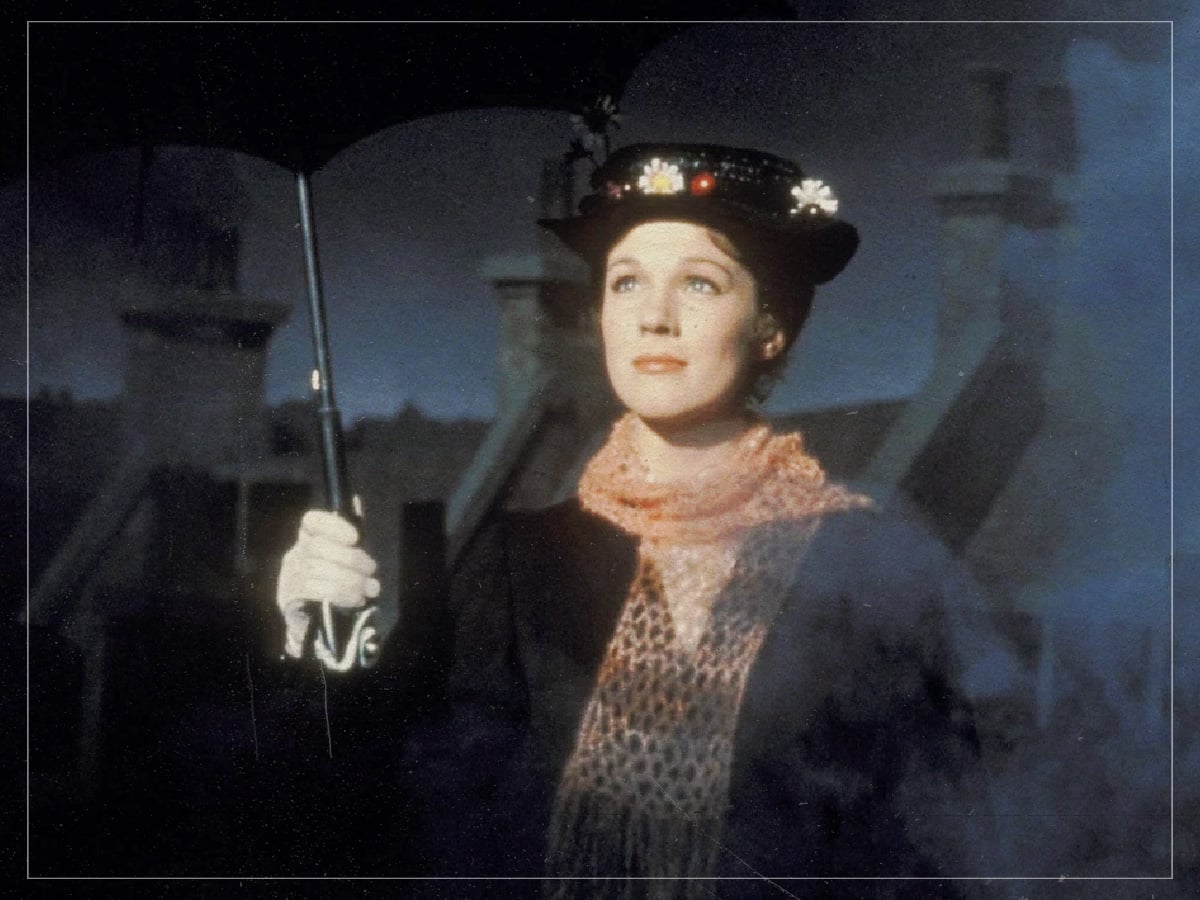
Jack Warner’s loss was Walt Disney’s gain, and while the Hepburn-led My Fair Lady was still a big hit when it came out in October of 1964, it had already been beaten to the box office by Disney’s Mary Poppins, which arrived a month earlier and immediately shot its lead actress, Andrews, to superstardom.
On the same night that Mary Poppins had its Hollywood premiere, August 27th, 1964, The Beatles were in the midst of their first North American tour, rolling into Cincinnati, Ohio, for an arena gig before heading to New York City the next day. The film A Hard Day’s Night had come out two weeks earlier, and the album of the same name was number one on the Billboard charts.
There had certainly been plenty of popular British actors across the history of Hollywood, and the occasional British musician who crossed over to an American audience, but this was an unusual occurrence, in which the biggest overnight breakthrough mega-stars of the moment, in both pop music and cinema, were fresh-faced Britons.
In the same way The Beatles were pushing themselves beyond the jukebox into movie theatres, Julie Andrews wasn’t just a box office star; in due course, she’d prove to be a pop star, too, as the soundtrack to Mary Poppins began climbing the charts in the weeks after the film’s nationwide release.
“We had to prerecord the songs before we could actually begin shooting the musical numbers [for Mary Poppins],” Andrews recalled in her 2020 book Home Work: A Memoir of My Hollywood Years, “The delightful score for Poppins had been written by Robert B and Richard M Sherman, two brothers referred to as ‘the boys’. They had been working for Walt for quite some time, being the first in-house songwriters he had hired under contract to the Studios. They’d written for such films as The Absent-Minded Professor and for Disney’s television shows and his theme park, Disneyland.”
Andrews admitted being quite uncomfortable recording the songs for the soundtrack in advance of filming the corresponding scenes, as it was difficult to understand what sort of tone or energy to put into her vocal. The finished product, however, of both the film and its soundtrack, blew her mind, as all the flaws and faults seemed to have disappeared.
On the week of March 13th, 1965, almost six months after Mary Poppins’ premiere, its soundtrack hit number one on the US Billboard album chart. At this point, Julie-mania was reaching Beatlesque proportions, and that spring, she won the Oscar for ‘Best Actress’ for her role in Poppins (Audrey Hepburn wasn’t even nominated for My Fair Lady), and her next big-budget musical, The Sound of Music, arrived in theatres at essentially the same time.
“I am well aware how irritating it is when people who have been graced by good fortune complain about its rigours,” Andrews wrote in her memoir, “However, this was the first time I had encountered such widespread attention, expectation, and accountability. I was a small-town English girl, naïve, undereducated, and considerably younger than my years, suddenly confronted by a scrutiny that I had no context or experience with which to manage.”
She added about the kind of scrutiny she faced, “The press bombarded me with questions that called for me to be introspective, to examine things about myself and my work that up to this point I had never considered, let alone formed an opinion about. I floundered about, trying to appear sophisticated, while feeling as though I were playing dress-up in my mother’s clothes.”
If there were any people who might understand what Andrews was going through, it was four fellows from Liverpool, who were entering their own second year of almost unprecedented media attention. In 1965, in fact, The Beatles and Julie Andrews essentially owned the American pop charts together, wherein Mary Poppins reigned atop the Billboard for a whopping 14 weeks, finally losing the top spot to the compilation Beatles VI (six weeks at number one) and later Help! (nine weeks). In November, Help! was finally bumped from number one by The Sound of Music soundtrack. If you didn’t come from Blighty, you had virtually no chance of topping the US album chart.
The phrase ‘British invasion’ was already getting thrown around in the early days of The Beatles’ first American tour, and the subsequent success of the Stones, Herman’s Hermits, and The Animals certainly made the trend of crossover British pop success in America feel like a genuine ‘happening’.
For understandable reasons, perhaps, the simultaneous Julie Andrews phenomenon doesn’t tend to get lumped into with that first regiment of British invaders, as the characters of Mary Poppins and Maria von Trapp weren’t concerning the parents of middle America in quite the way these shaggy-haired English rock and rollers were. That being said, Andrews was a different sort of British star from the ones that had preceded her, and in some ways, she helped bridge the cultural divide of the ‘50s and ‘60s just as much as the Fabs did, which is another reason she might have felt an affinity for them.
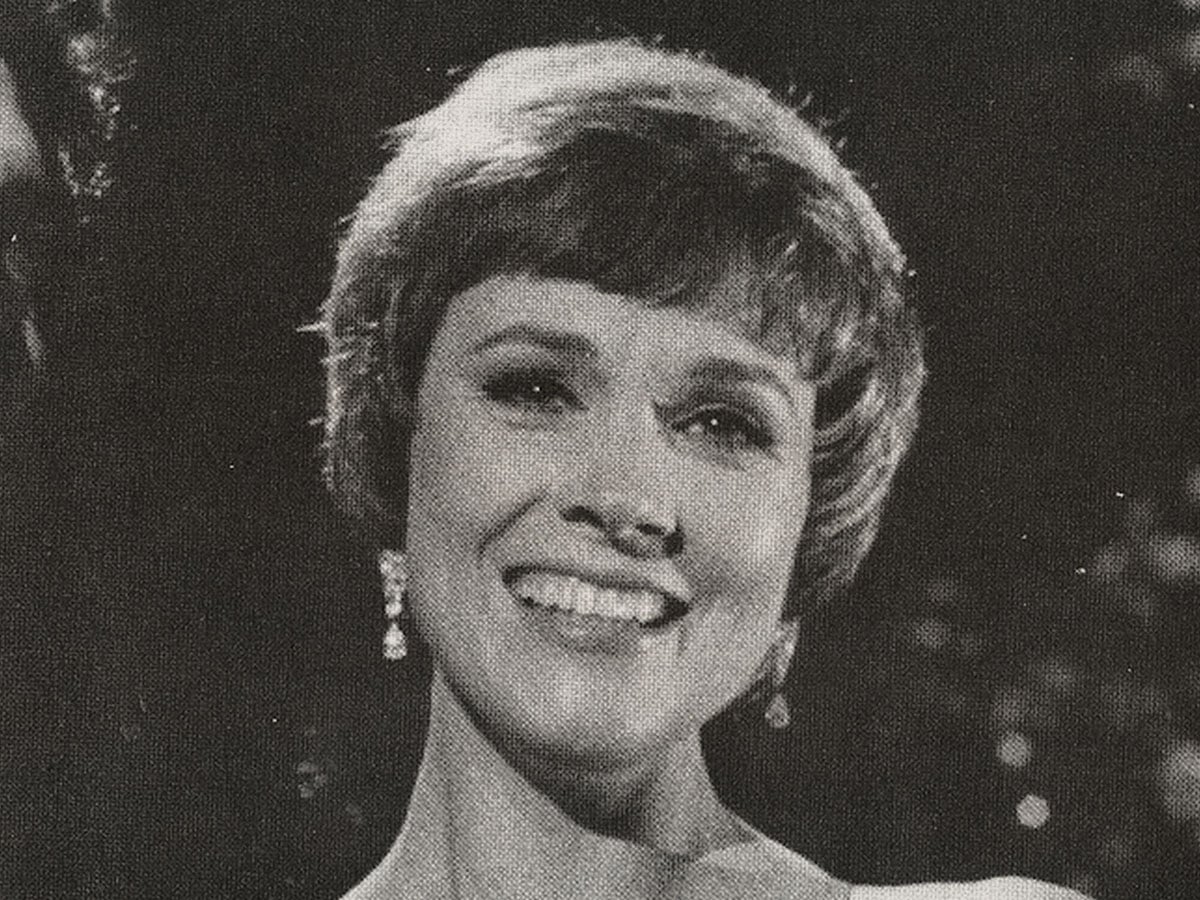
“My hairdo…I’m a female Beatle,” Andrews told reporters after the Hollywood premiere of The Sound of Music in 1965, feeling the scrutiny around her less glamorous cosmetic instincts, “I don’t have my hair done. I just wash it and have it cut”.
Later that year, Andrews was asked more specifically about the Fab Four in an interview with the Philadelphia Daily News.
“The Beatles!,” Julie said with a smile, “I’d adore to work with them. I don’t know whether they’d care to meet me, but I’d love to meet them. I’d also love to sing that stuff they sing, if I could make the grade. What do you think of them?” she asked her interviewer.
When the reporter said she admired The Beatles’ “honesty”, and Andrews nodded in agreement, adding, “That’s right enough. At least they don’t pretend to be something they’re not”.
Andrews even defended The Beatles over their controversial (in America, anyway) lack of religion. “Well, I’m afraid I’ll have to go along with the Beatles on that. The only time I pray is the first night of a show. I say, ‘Dear God, don’t let me die in this one’. But this doesn’t mean I’m anti-religion… Rather than just sort of waffling along, believing something you’ve been told to believe, I’d rather know what I am, and I need to find out more.”
Sadly, Julie never got her shot to duet with John, Paul, George or Ringo, and the closest she got to joining forces with her bellow British invaders was in a 1975 television special honouring entertainment impresario Lew Grade, in which Andrews and John Lennon performed on the same stage, about five minutes apart. It was Lennon’s last ever public performance.

Never Miss A Beat
The Far Out Beatles Newsletter
All the latest stories about The Beatles from the independent voice of culture.
Straight to your inbox.