


‘Marriage Story’ and its early roots as a musical adaptation

Noah Baumbach is one of the most influential independent filmmakers and pioneers of the ‘walking and talking’ style, creating intimate slice-of-life dramas that capture the full spectrum of human relationships and their many complications. As a child of divorce, many of his films centre around fragmented or disintegrating relationships, with his 2005 film The Squid and the Whale being a loose retelling of his own adolescence while his parents went through a divorce.
Love and all the quandaries that come with it have become an intense preoccupation of the director, exploring it in both a light-hearted way in films such as Frances Ha and Walking and Talking, looking at the pangs of unfulfilled romance and the highs of platonic love, as well as looking at it through a more devastating lens.
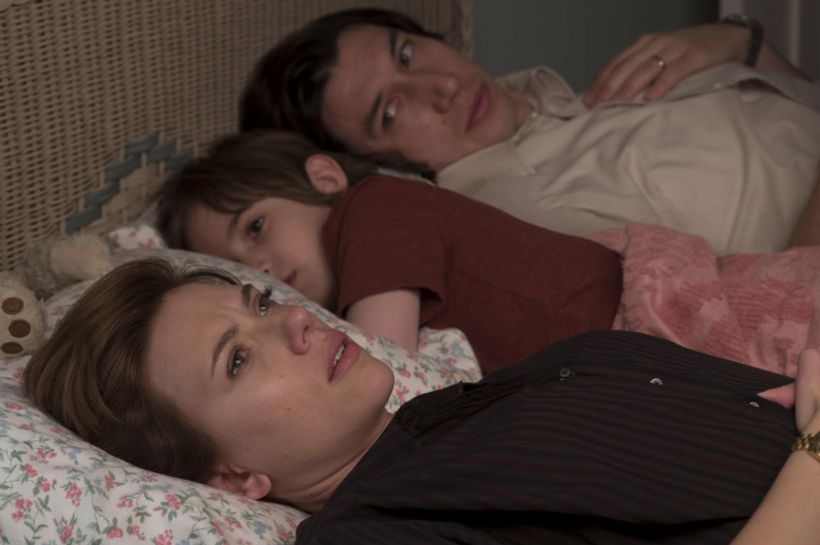
While many people return to the unparalleled joys of Frances Ha and the comfort that comes from witnessing the emotional turbulence of people in their twenties, something that the director honed through his involvement in the mumblecore movement, he is perhaps most recognised for his 2019 film Marriage Story, which follows a theatre director and actress who are going through a messy and cross-continental divorce while trying to care for their son.
The film is known for being equally emotionally devastating as it is uplifting, with much-needed moments of lightness that are contrasted with dramatic arguments, screaming matches and painful custodial battles. Baumbach captures the conflicting and ever-changing nature of love, starting by showing what made this couple so great and then obliterating it by showing the slow dissolution of this love. It is an intensely realistic and heart-wrenching portrait of an experience that most people can relate to, showing the jarring clash between the beginning and end of a relationship and how the person you once loved completely changes in your eyes, baring little resemblance to the person you once thought they were.
But while we can see Baumbach’s signature style is written all over the project, from the naturalistic dialogue and authentic relationship dynamics, the director took inspiration from a musical written by Stephen Sondheim, originally intending for Marriage Story to be a screen adaptation of his 1970 musical Company.
Company follows a man called Bobby who is about to turn 35, debating whether or not he wants to be married like most of his friends. It is an exploration of the complexities within a relationship, with Bobby examining whether he is ready for complete commitment and vulnerability but how ultimately, being in love is what makes us feel alive.
There are traces of Baumbach’s original intentions to adapt the musical within the film, with Johansson’s character singing a song from the musical with her mother and sister during one scene near the end, which is called ‘You Could Drive a Person Crazy’. As well as this, Driver’s character performs a solo during a karaoke scene towards the beginning of the film, singing the titular song from the musical, ‘Being Alive’.
While Baumbach did not infuse much of the story into the screenplay, he has incorporated many of the themes from the musical, looking at the many highs and lows of love and how ultimately, our humanity depends on our experience of these tribulations.
