


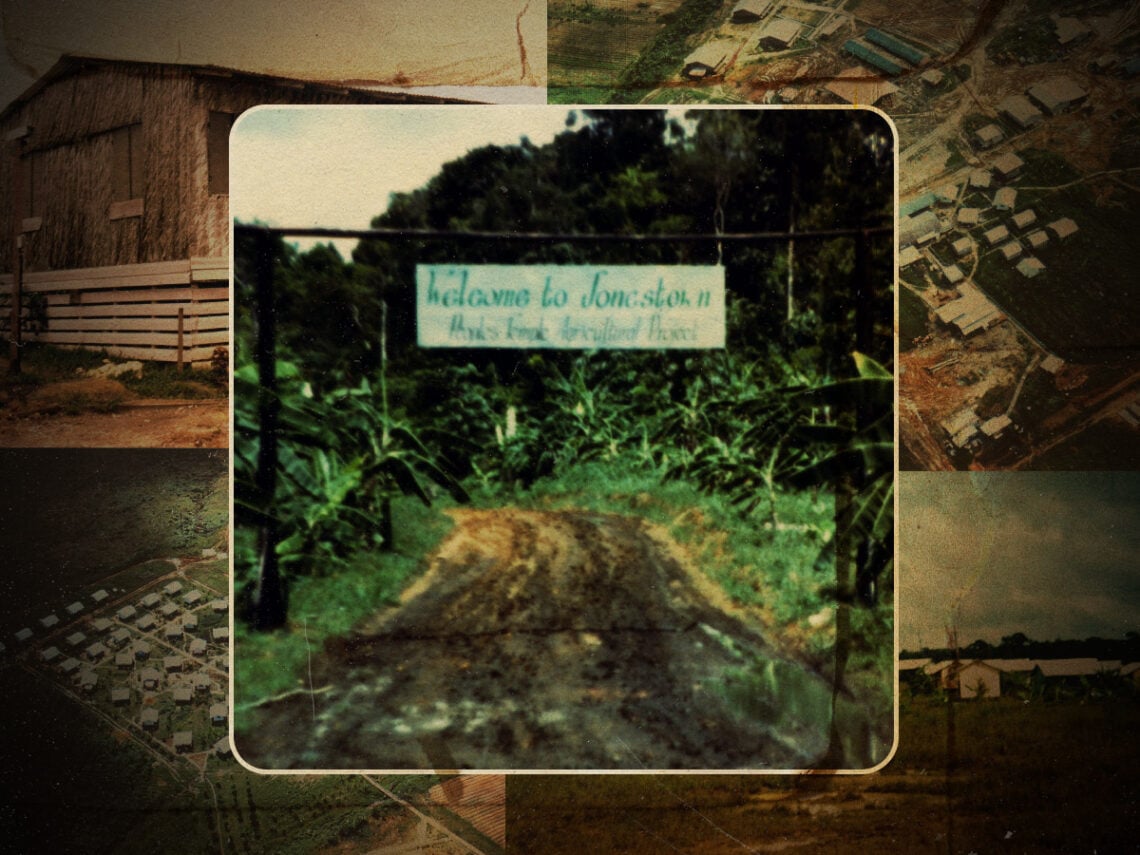
Visiting Jonestown: The cult-murder crime scene undergoing a dark tourism boom

In the world of travel, it’s clear that dark tourism is booming. People have long been fascinated to see the very worst of mankind, and there’s an appetite to see more and more macabre places.
We’ve seen YouTubers going into active warzones in Eastern Europe, concentration camps from World War II and beyond, and countless other places that have been torn about by war, environmental disaster or murder.
In the same way that people love reading biographies of history’s most notorious dictators and the evil that they espoused, there’s a fascination in seeing the remnants of true despair and destruction. Now, in the depths of South America, there’s a growing travel industry based around the Jonestown Massacre, one of the most harrowing tragedies of the last century.
Back in 1955, Jim Jones formed the People’s Temple, which became a respected religious organisation that was based around racial integration and social justice. Unlike most religious groups at the time, in which America was still segregated, this allowed both Black and white folks to worship together. The organisation slowly began to mutate and moved from Indianapolis to San Francisco, and eventually to the jungles of Guyana. Subsequently, reports of human rights abuses leaked from the commune, and in 1978, US Congressman Leo Ryan visited the settlement in order to find out what was going on.
As the Congressman tried to board his plane back to America, alongside journalists and one defector, they were gunned down by Jones’ armed guards. With severe repercussions from the US government likely, Jones gathered his followers, a group around 1000 people strong, and asked them to commit “revolutionary suicide”.
Huge vats of grape-flavoured drink were laced with chloral hydrate, Valium and cyanide, and drunk by the group, with many, including children and the elderly, forced at gunpoint to drink; 918 people ended up dying, with around 300 being children, and Jones eventually died after shooting himself.
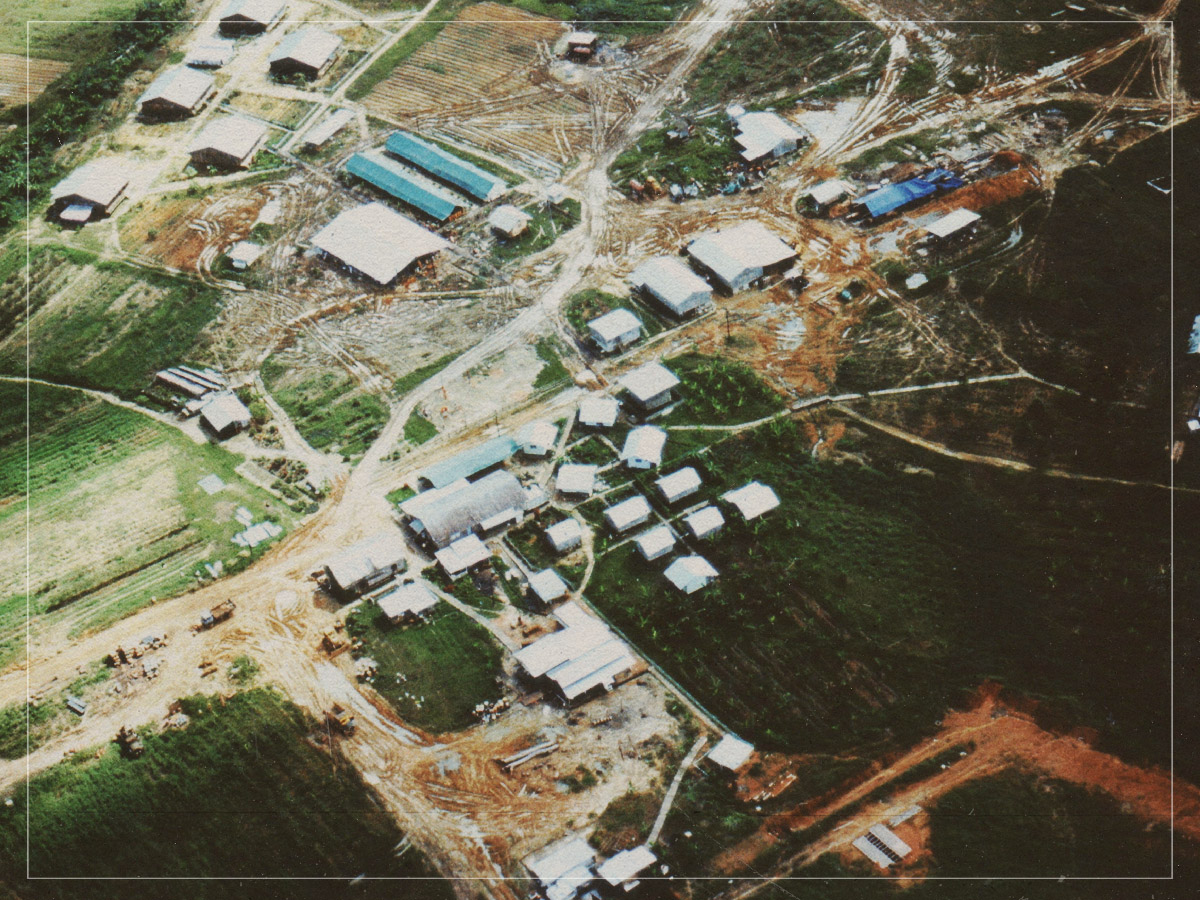
In 2025, this settlement in the north west of the country, a former Dutch and then British colony, opened the first official tours to the site of the mass-murder-suicide, following a huge rise in interest in Jonestown. Wanderlust Adventures GY conducted the first tour to Jonestown, which is deep in the Guyanese jungle. The land that Jones leased from the Guyanese government totalled 3,800 acres, which included cottages and dormitories, education tents, an infirmary, a warehouse, a sawmill and other buildings to help with their bid for sustainability, and there was also the pavilion in which sermons were held on a daily basis.
Jonestown is some way from the capital city of Georgestown, meaning that to visit, you fly to nearby Port Kaituma, landing on the same airstrip that was the site of the shooting of Ryan and the journalists in his group. Visitors traditionally haven’t arrived often in Port Kaituma, save those working on the nearby Chinese-owned mines. From there, it’s a bumpy, difficult ride in a 4×4 vehicle to the remnants of the camp.
Not much still stands of Jonestown, as in the years that followed the events that made it infamous across the planet, it was first ransacked for valuable metals and materials, then it was largely left, with superstitious locals scared to spend time in the remains of the camp. That’s led to the vast majority being overrun by nature, foliage and trees have appeared where buildings once stood, and there are very few signs that anyone was ever there; metal rusts into the undergrowth, the red offsetting against the greenery of the jungle. The corpses of a flatbed truck and a Ford pick-up remain, along with machinery parts that weren’t deemed worthy of being taken.
You can’t see the cottages, bakery or laundry anymore as the buildings have been reclaimed, and the undergrowth has taken everything left standing. There are exceptions, though, such as the pavilion, the building in which the majority of the people died, still neatly kept. The sound of sermons no longer reverberates in the air, and the bodies strewn across the grass outside have long since been repatriated back to the US. Despite rumours that the huge volumes of cyanide had poisoned the soil, the truth is simpler: a local group maintain this area. Elsewhere stands a memorial to the victims of the Jonestown tragedy, this concrete slab being the only thing erected in the years following the massacre.
Understandably, the idea of tourists visiting the site of this heinous event is a controversial one, with many locals disgusted by the idea and wanting the region to move forward, but aside from the fact, there isn’t really much there for visitors to see, which raises questions of what we should be allowing to become tourism sites.
The reality is that people are fascinated by the darkest elements of humanity, and perhaps allowing people to visit the site can act as a warning against the dangers of cults. Before the events of November 18th, 1978, this was an organisation that had undergone a transformation from one that legitimately helped people into one which not only took advantage of its members but also their money and then their passports, so they couldn’t escape.
While the 1970s and 1980s were the peak of cult activity, the advent of the internet has allowed for radicalisation to move online. Now, more than ever, it’s important that people have the tools to think critically about any groups that they’re joining and what their intentions may be, in the education of which Jonestown could just be a key piece.
