


The Final Solution: The twisted tale and unfortunate name of San Francisco’s lost psych-rock pioneers

In the mid-1960s, in the mere three-year period between The Beatles’ appearance on The Ed Sullivan Show and the start of the summer of love, there were probably 50,000 rock ‘n’ roll bands that formed and flamed out in America.
There were high school groups that splintered when they went off to college or got drafted to Vietnam, cutesy pop outfits that couldn’t keep up with the rapid rise of psychedelia and edgier tastes, and loads of good local pub rockers who simply couldn’t get signed or cut a record, and were thus lost forever to time.
Then you have an interesting case like the San Francisco band The Final Solution, a group that only existed for two years and was probably only vaguely remembered by a lot of people because of their provocative, arguably offensive name. Like those thousands of other short-lived ‘60s bands, they never secured a record contract, but they did manage to get one of their concerts on tape with decent sound quality in 1966, which was not an easy feat at the time. Thus, 60 years later, they’ve managed to retain a legacy, as the record label High Noon has recently remastered and released Just Like Gold: Live At The Matrix, the slightly overdue debut of the Final Solution on vinyl and compact disc.
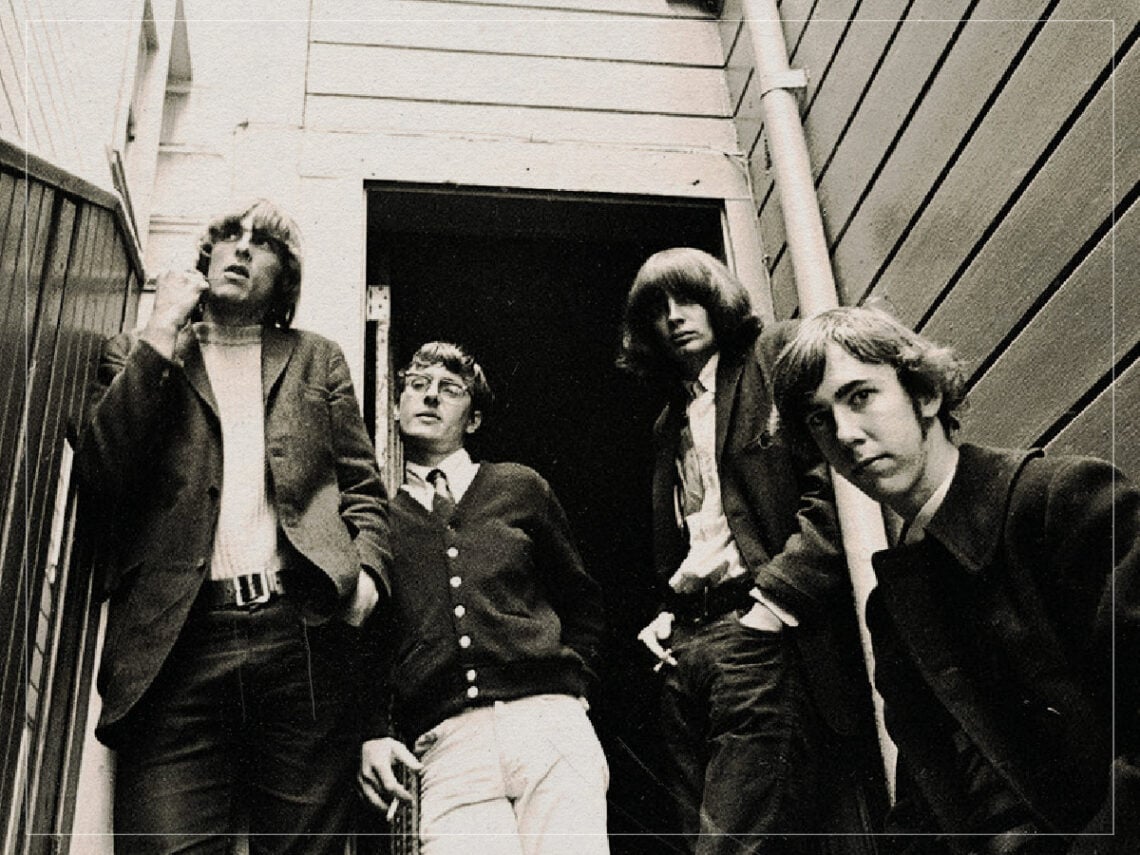
Formed in 1965, the band originally known as Earth Mother and The Final Solution were part of the first wave of the San Francisco sound, and got big enough that they managed to book gigs at the Fillmore with the likes of Quicksilver Messenger Service. The initial line-up of John Yager on vocals/guitar, Ernie Fosselius on guitar, Bob Knickerbocker on bass, and John Chance on drums didn’t choose their name as any sort of pro-Nazi statement, as should go without saying. They promoted their band, in fact, with the contradictory and somewhat confusing tagline of “There is no final solution”. According to drummer Chance, their philosophy was more about a general sense of community and tolerance without conformity.
In line with that thinking, The Final Solution did not have the look of a stereotypical San Francisco band, although they also folded before the bead-laden Haight-Ashbury hippie wave fully overtook the city. As Chance recalled in a recent interview with Psychedelic Baby Magazine, “The Haight was a run-down neighbourhood of unfashionable old Victorians” when he moved there in the mid ‘60s.
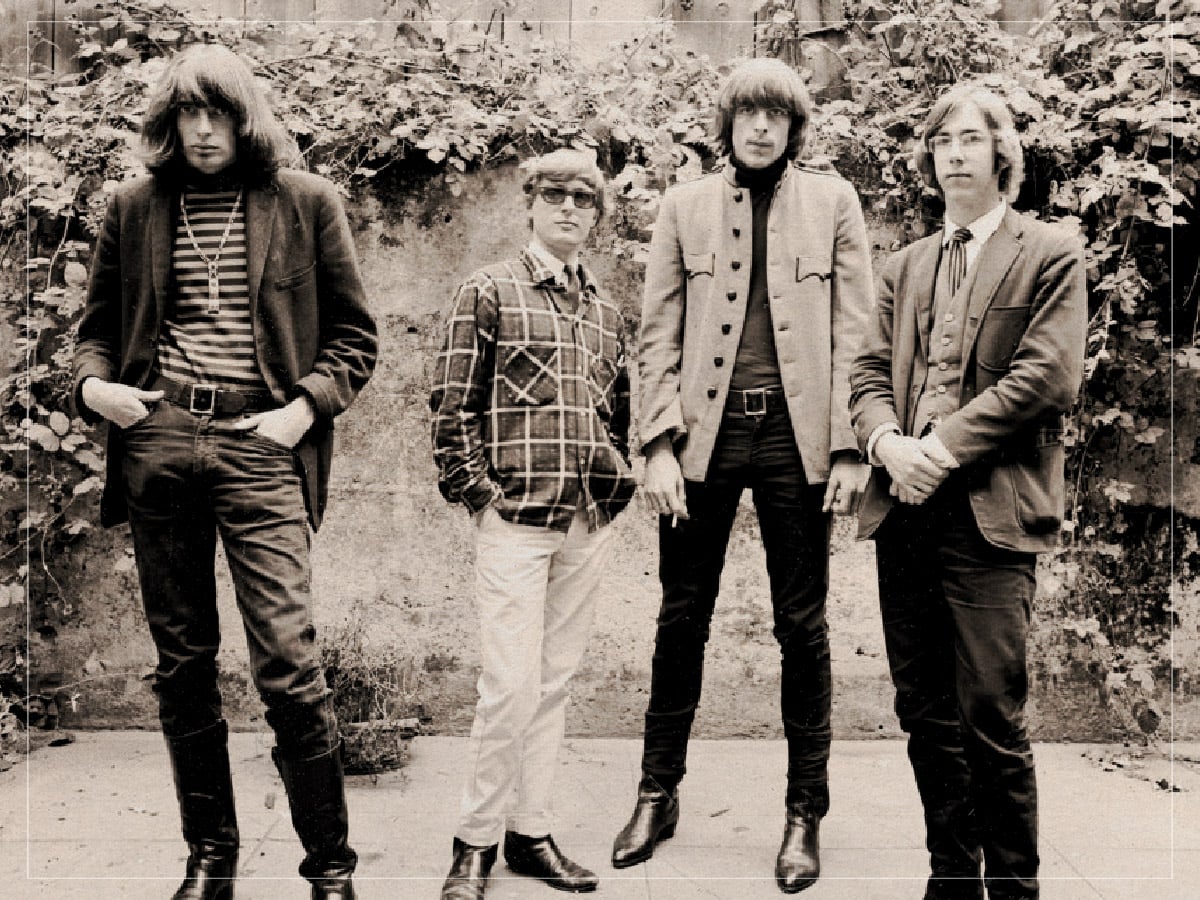
The Final Solution soon found themselves part of a thriving scene, as many of those rundown houses became the communal headquarters for a new generation of artists, writers, and musicians, including no shortage of rock bands with weird names.
“The band’s name did not really set us apart from anyone in the Haight,” Chance said, noting contemporary groups like The Vejtables, Country Joe and the Fish, Big Brother and the Holding Company, and of course, the Grateful Dead, “Our musical sensibilities, including minor keys, strong guitar solos, vocalised disenchantments, introspections, and irreverence, spoke for themselves.”
The Final Solution played live regularly through ‘65 and ‘66, building up a fan base and a reputation as one of the city’s better up-and-coming bands. They were in talks with labels but hadn’t done any recording when in July ‘66, a like-minded San Fran band, The Great Society, offered to give them one of their headline gigs at the Matrix club.
“They agreed to call in sick so we could replace them,” Chance remembered, “… We carried all our equipment in, set everything up, and played two sets, between which we smoked another joint in the back room. You can hear the pleased reception we got on the LP and CD. These are live moments captured of Haight-Ashbury’s sensibilities.”
When he was on stage that night, Chance had no idea the set was being recorded by the Great Society’s producer Peter Abram. “As we were leaving, Peter gave a reel-to-reel, seven-inch-per-second tape copy to Bob [Knickerbocker], who did not want to hear it, so he gave it to me. Of course, all these years later, I gave it to Alec Palao, and here we are.”
Palao did much of the restoration work on those dusty tapes, helping bring a forgotten Haight-Ashbury band, and a very specific moment in time, back to life after six decades. Along with this, Chance calls it “a sonic picture for listeners of exactly what it was like to be in the Haight-Ashbury then. Our music in theme and content was a part of the zeitgeist of that era. I guess you could say it came out of the culture, everybody sharing the same way of life and thought.”
