


The underground book fairs of Buenos Aires: Exploring the curious Cartonero movement

Periods of change and economic uncertainty are always a breeding ground for great art, and by extension, literature.
In the UK, we saw punk emerge from the strife of 1970s Great Britain. With the country in recession and unemployment soaring, the DIY aesthetic of punk and its rebellious streak captivated the country’s youth.
Likewise, 2008’s global financial crisis was reflected in the art and culture of the next few years, from theatrical works to the Occupy Wall Street protests to the streets, with Banksy taking aim at consumerism and the bankers at the top of the food chain.
In Argentina, there was a severe and catastrophic economic collapse in 2001. A decade earlier, the country had been heralded for their economic reform; they’d stopped hyperinflation by linking the Argentine peso to the US dollar. That worked well, until it didn’t. The government lost the ability to print its own currency due to the exchange rate with the dollar, which saw debts spiral out of control.
This is when things went seriously wrong. After a run on the banks to withdraw savings, the government froze accounts, meaning that everyday people couldn’t get to their money. This led to riots in December 2001. The country was in chaos, seeing the president resign and flee from his palace, before the country ran through another four presidents in the following two weeks. At this time, the peso was devalued by 75% and unemployment went over 20%, with families across the class spectrum all impacted.
With people needing cold, hard cash in order to survive, they did what they could, with recycling becoming a hugely important way for people to feed their families, as people took advantage of programs offering money to recycle glass, metal and other materials. One of the materials people collected was cardboard, with those who recycle it known as cartoneros, Spanish for cardboard collectors. Just like that, a new art movement was born, and one which spread from Buenos Aires across Latin America.
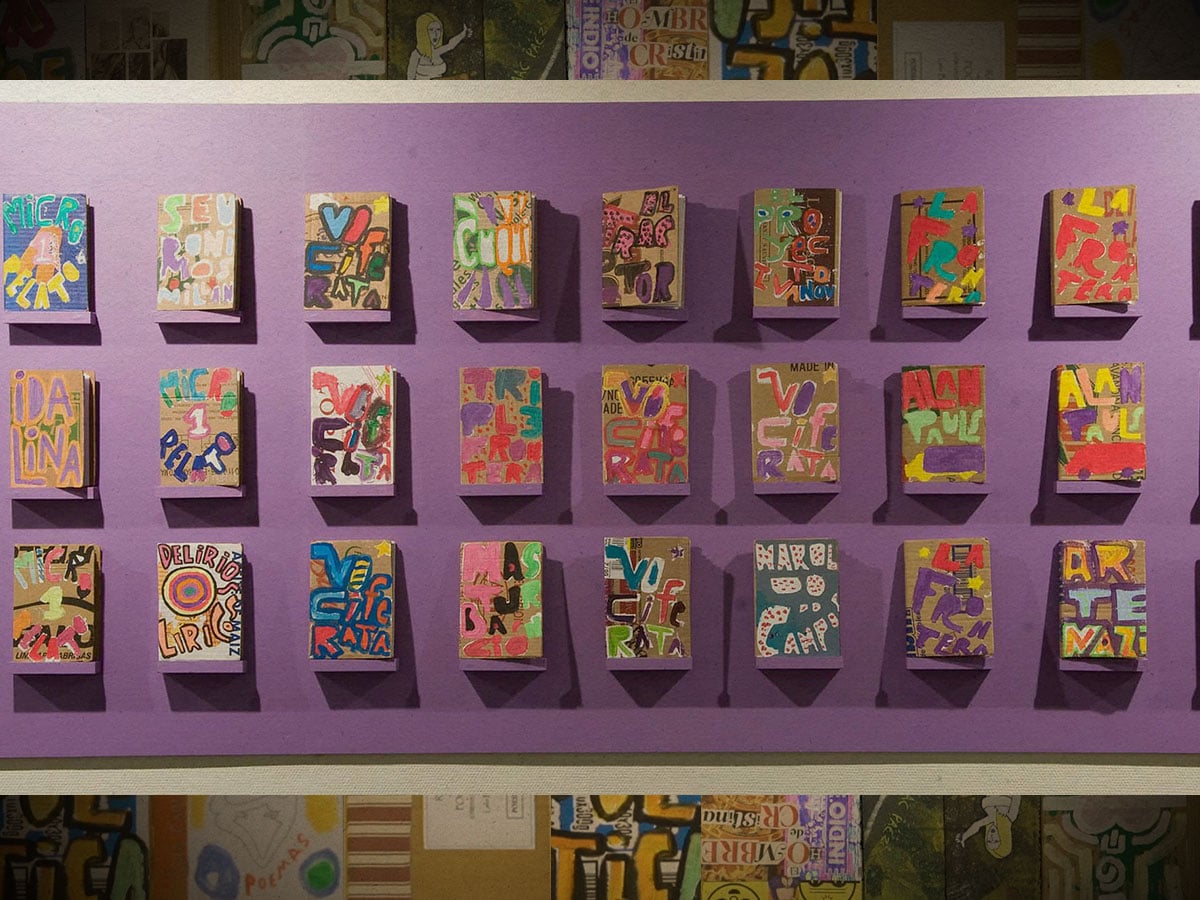
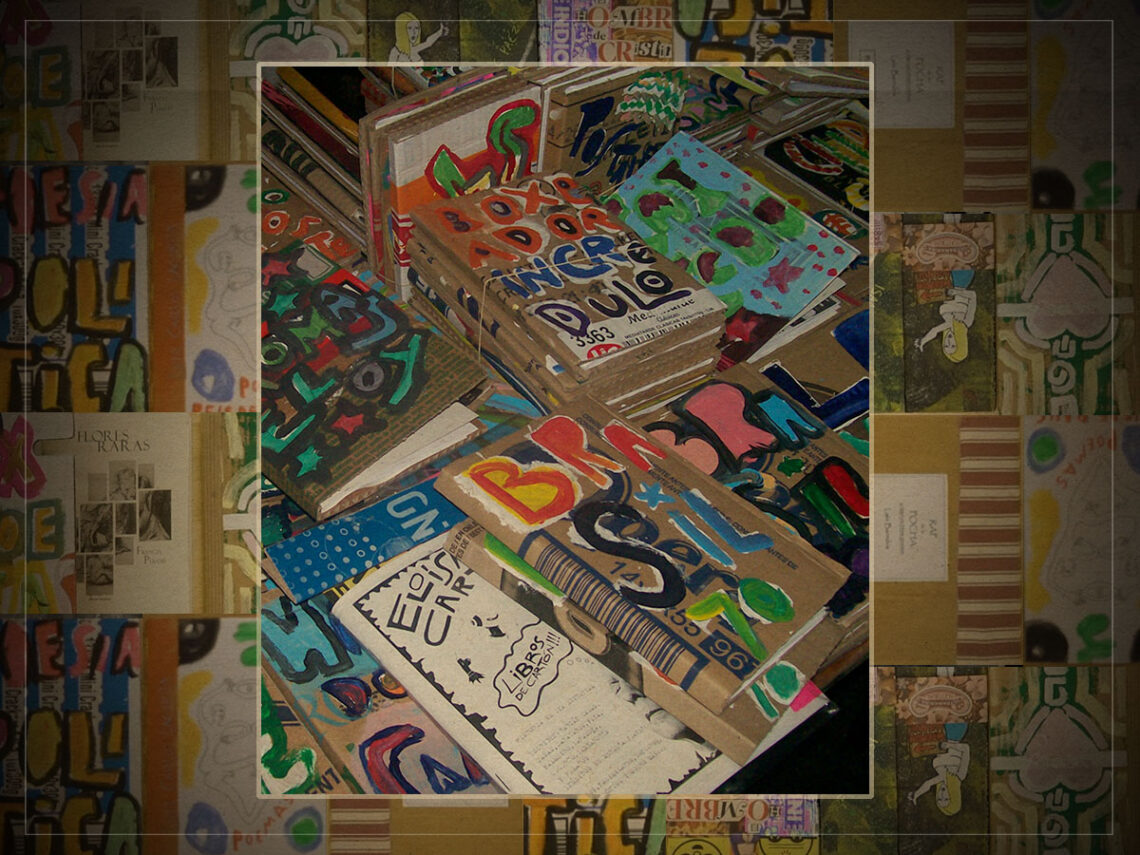
The movement really started thanks to the Eloisa Cartonera cooperative. Formed in 2003, this saw designer Fernanda Laguna, artist Javier Barilaro and writer Washington Cucurto come together to purchase cardboard directly from the cartoneros, at prices better than what was being offered to recycle it. They then used the cardboard as a canvas to hand-paint covers before cutting and binding them into fully fledged books.
These small-run publications featured various local Latin American authors, including poets, writers, to more internationally well-known names, such as Cesar Aira and Chile’s Roberto Bolaño.
Thematically, the work mixes literature with social activism and solidarity with those struggling. Often, the writing itself was donated by the authors, particularly the more renowned ones, in order to build upon the aim of solidarity that the collective promoted.
In many ways, Eloisa Cartonera represents a strand of traditional fanzine culture; it shares the DIY aesthetic, it’s low-cost and independent, with a focus on community. While not all ‘zines are so socially conscious, although many are, they also share a desire to put creativity over profit.
In the years that followed, the idea spread, and while Eloisa Cartonera got bigger, it was also adopted in other countries across Latin America. Now you can find these unique publications across book fairs in Buenos Aires and beyond the Argentine border, with the likes of the MoMA and the British Library including them within their collections.
You can find Cartonera books in La Boca, Buenos Aires, at the Eloisa Cartonera shop. They’re also available at small independent fairs, in addition to the city’s International Book Fair every April.
Great literature tells us something about the world around us, or even the human condition. In the case of editoriales cartoneras, it not only tells us, but it also looks to solve real-world problems too. The best art is a political act, and editorial cartoons fit that mould. Be sure to seek it out next time you’re in Argentina.
