


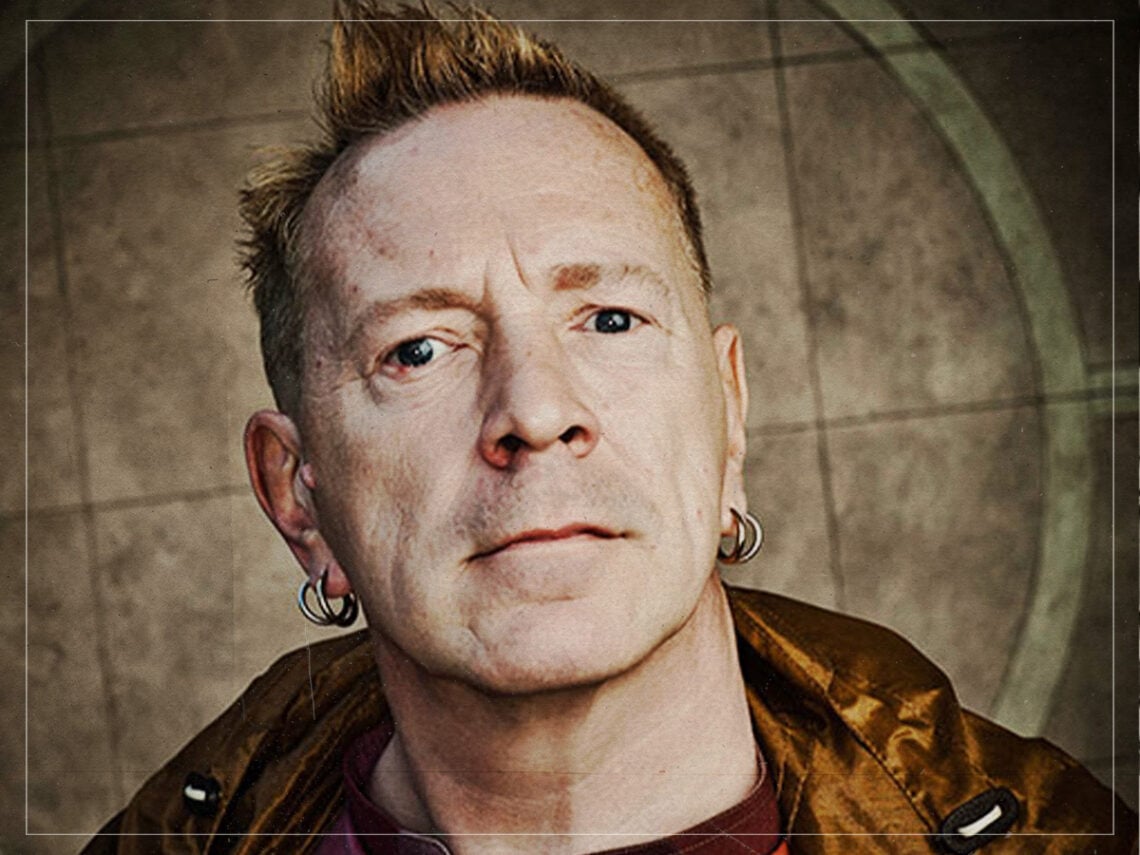
“No shame at all”: the two pop bands John Lydon absolutely adored

We don’t have much partisanship in music, for we embrace the subjectivity of the art form instead. But any rivalry that does exist largely does so between genres.
Famously, in the late 1970s, rock music went on a crusade against disco. Threatened by the euphoria of this new genre and fuelling rage that was undoubtedly laced with deep-rooted homophobia, bludgeoning rock fans made it their life’s aim to stamp out its emergence and supposedly protect the sanctity of their beloved genre.
So much so that it resulted in a dark Chicago evening where radio DJ Steve Dahl invited nearly 50,000 people to Comiskey Park stadium, to throw a catalogue of disco records onto a large bonfire, in what they considered an act of resistance.
The early hatred shown towards disco can ultimately be traced to the modern-day discontent towards pop. After all, the modern pop sound is largely built on the back of disco, and so it’s unsurprising that modern rock fans still turn their nose up at pop, for ultimately, it’s in the blood.
So pop music gets a bad rap in the modern world. It’s a dirty word, often used to slander music of a baseless sort, devoid of the sort of depth that we alternative music fans seemingly pride ourselves on. But, in the immortal words of Dua Lipa, “Hating pop music doesn’t make you deep.”
Pop music can be done brilliantly. The queen of modern pop herself, Dua Lipa, has proved that with ‘Be The One’, while Chappell Roan has followed suit with ‘Pink Pony Club’ and Lorde with ‘Green Light’. There is magic in a great pop song that unites fans with a vocal hook and liberates them with a melody.
Rebelling against those songs isn’t always linked to a heightened sense of taste, nor an acute awareness of sonic innovation, and don’t just take my word for it, either – take the word of one of the great counterculture heroes, John Lydon, who proudly professed to loving all of the aforementioned genres.
He said, “I’ve always loved dance music, it’s always been part of me, so I’m always checking out for that stuff.”
Then, when asked about the partisanship of music and how people of his beloved punk genre would be vilified for making such an admission, he said, “Yeah, I know, you must be aware that this caused me great difficulty in the early years, because I loved disco, and I see no shame at all in admiring the Bee Gees and being a Sex Pistol, and, well, The Carpenters, there’s another band that I absolutely adored.”
Lydon and Lipa combine to create a bulletproof defence of pop music and disco that even the most obnoxious music fan would struggle to argue against. Clearly, there is magic in the pop song that ultimately helps inform and inspire the music being created on the supposed fringes, and so the one sense of partisanship we have to romanticise in the subjective world of music is actually obsolete entirely.
