


The two “embarrassing” bands Jerry Garcia hated

When you think of psychedelic rock and the countercultural movement that came with it, Jerry Garcia is probably one of the first names that comes to mind. He stood amongst the scene like the Godfather of acid.
As co-founder of the insanely prolific Grateful Dead, he became synonymous with lengthy freakout jams and epic live performances, many of which have been released in the years following their disbandment among a discography that exceeds 200 albums, albeit many of which remain unofficial. Yet, that alone is indicative of what he stood for: freedom (and a very groovy brand of it at that).
While the hippie movement he is closely associated with might have preached a mantra of ‘peace and love’, Garcia certainly didn’t extend those virtues to all other musicians who enjoyed success during the ‘60s and ‘70s when the Dead were at their creative peak. In some instances, Garcia would be outright dismissive of the work of others, some of whom weren’t too far removed from the world that he was operating in.
When talking of his dislike for other artists, he had something of an acid tongue on him, and we’re not just talking about the copious tabs of LSD he consumed. He saw music as a proud virtue that could move people. So, when he thought that was being sullied, he was quick to make his charming opinion known.
The two bands Jerry Garcia bloody loathed
So who was on the receiving end of Garcia’s words of vitriol, and why did he have such a dislike for them? For starters, he was pretty hostile in his words towards fellow guitar legend Eddie Van Halen, but slightly more surprisingly, he was far from a fan of The Doors as well.
It’s far more understandable that the heavy metal stylings of Van Halen weren’t to Garcia’s tastes, although it could be argued that they themselves were initially part of their own countercultural movement as early adoptees of the more vicious subset of rock music.
While both were technically masters of their chosen instrument, Garcia was much more boundless in his approach and favoured free-form improvisation, whereas Eddie Van Halen felt deliberate in every note of his lead breaks, and there were certainly a lot of them. In short, they were fundamentally very different. And the feeling was probably mutual; if EVH thought Jimmy Page was sloppy, then lord knows what he would’ve made of Garcia’s carefree brilliance.
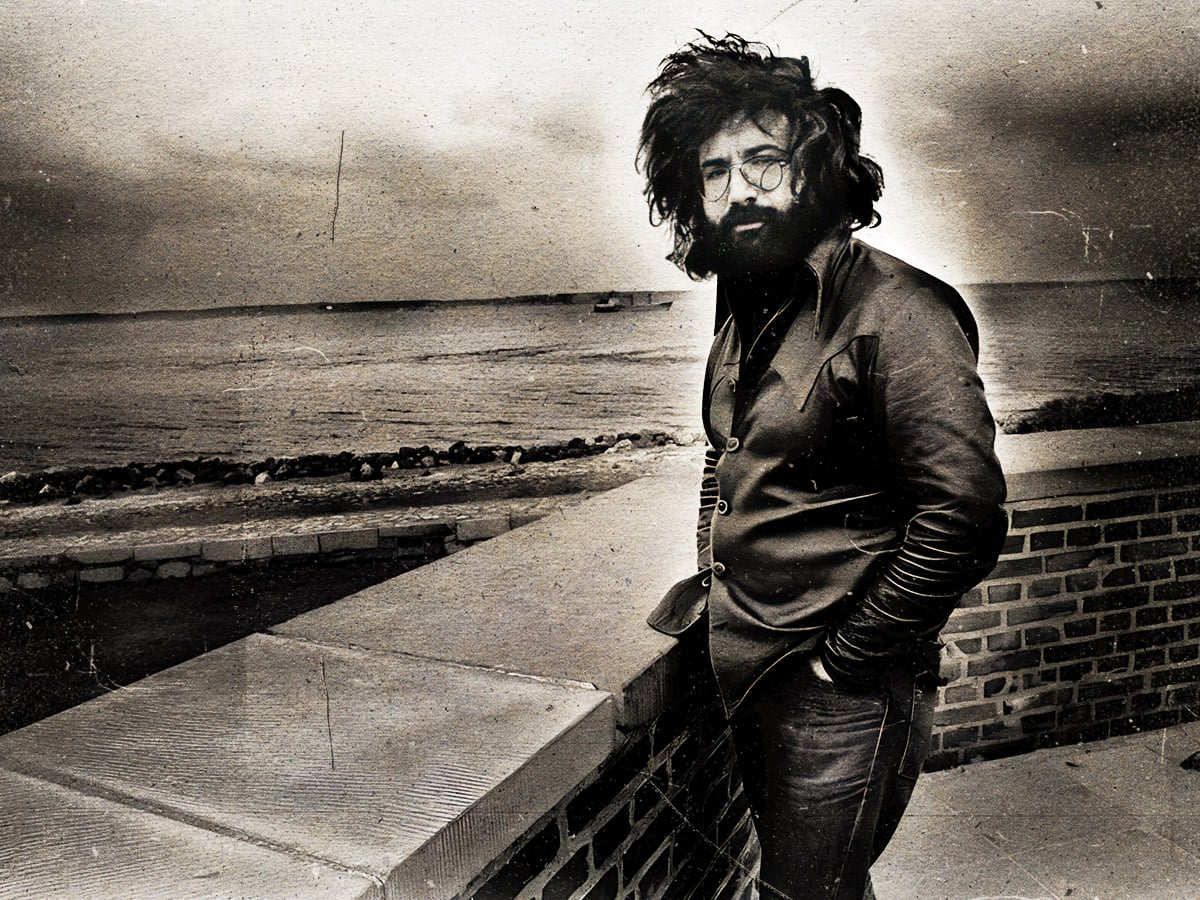
Speaking to Frets Magazine about his indifference to Van Halen’s guitar playing, the Grateful Dead man said that “it lacks a certain kind of rhythmic elegance that I like music to have,” before continuing to say “there’s a lot of notes and stuff, but the notes aren’t saying much.”
It might well be the case that hearing virtuosic clusters of hammered-on notes is far less palatable to the ears when your main remit is hazy blues and building upon a lick with freedom, but declaring an emptiness to Van Halen’s groundbreaking technical ability is possibly a little harsh.
That said, Garcia was far less reserved in his judgment of The Doors, and particularly towards their frontman Jim Morrison. Both acts emerged at similar points in time and were ostensibly influenced by psychedelia, but when asked about his opinion on the group for an interview with BAM Magazine, he levelled several criticisms at the band for their “brittle sound” when performing live, and was entirely derisive of their lyrics.
“Fuckin Jim Morrison was not great,” he told Blair Jackson in the interview, belittling his abilities as a poet when compared to the likes of Arthur Rimbaud and Paul Verlaine. He’d go on to bemoan how he was a poor imitation of Mick Jagger in his stage presence as well, and how his performances were “surface and no substance.”
Finally, he mused that when they played with The Doors, “It was sort of embarrassing for us to open for them, cause we sort of blew them off the stand with just sheer power.” Talk about a real downer, man.
In both instances, it is fairly clear that Garcia evidently didn’t have much time for the sort of egoist showmanship that Morrison and EVH deployed. Instead, he favoured a distinct lack of separation between himself and his audience.
As Pete Townshend would later bemoan when it came to the Dead, “The commitment of their fans was something that was interesting. They were real contemporaries of the band, and they were a challenge in a sense because they had a connection with their audience that I was envious of”. To achieve that link, Garcia approached the stage as ‘one of them’. That’s not the outlook that those he questioned had.

Never Miss A Tale
The Far Out Classic Rock Newsletter
All the latest Classic Rock content from the independent voice of culture.
Straight to your inbox.