


‘Tuner’ movie review: a thoughtful, exhilarating modern caper

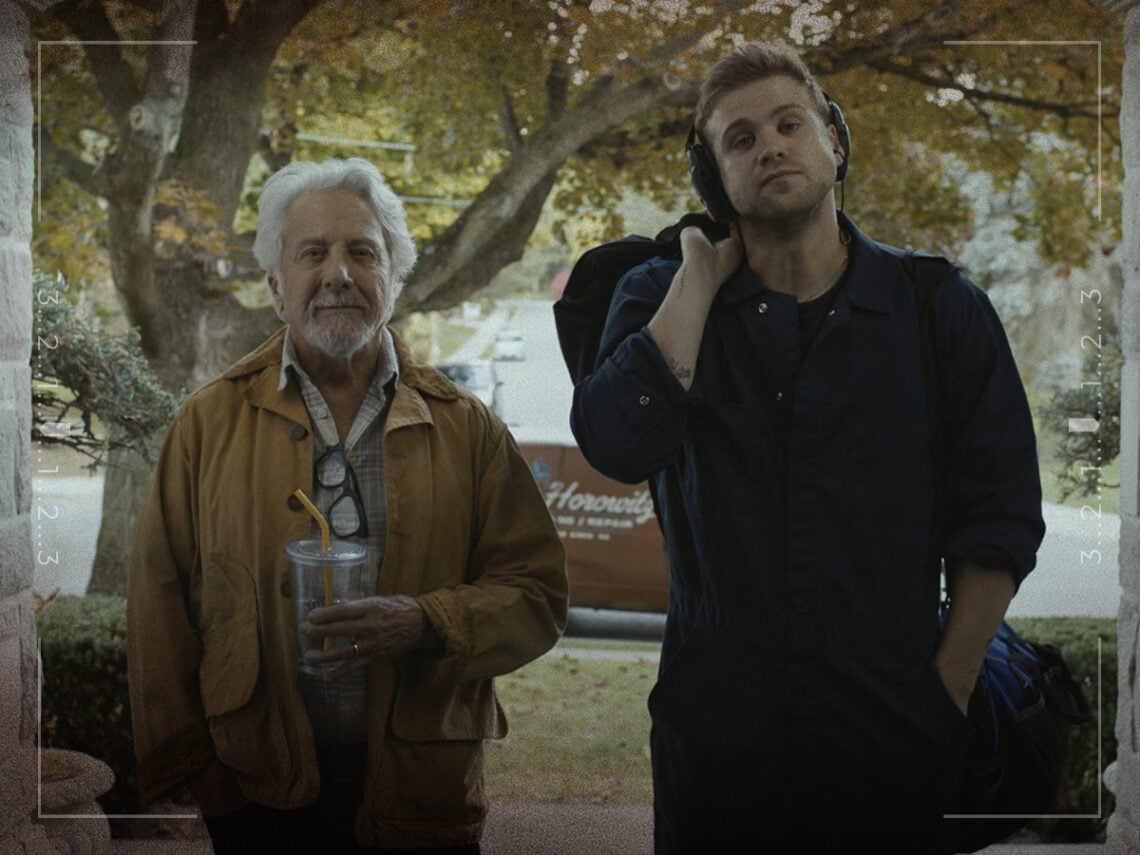
Tuner has an impressive ensemble cast that includes Dustin Hoffman in his best role in decades, but it’s the breakout performance by Leo Woodall that marks the emergence of a new movie star.
It is for better or worse that the best way to market a film is to compare it to accepted classics. Tuner has an inventive original concept that really should be enough for it to guarantee an audience, but those with any scepticism might be intrigued by its similarities to the electrifying heist sequences of The Thomas Crowne Affair, the romantic criminality of Baby Driver, the study of genius in Good Will Hunting, and the exploration of artistic genius in Whiplash. These may not seem like natural pieces to pair with one another, but documentary filmmaker Daniel Roher is able to weave in and out of different subgenres with his impressive narrative debut. Escapism is often used as a disparaging term, but Tuner is exactly what finely-crafted, in-touch popcorn entertainment should look like.
Set in New York City, the film follows the veteran piano tuner Niki White (Leo Woodall) and his mentor Harry Horowitz (Dustin Hoffman), who have their own business fixing the instruments of the city’s wealthy residents. Niki has hyperacusis, which means that his ears are highly sensitive to noise; while this has made it alienating for him to engage in social activities, it does give him an incredible ear that makes him an expert in his line of work. It’s after Harry becomes ill that Niki is forced to pick up extra jobs, and ends up running into the criminal Uri (Lior Raz) and his gang while he is at a client’s house.
Niki’s skills at identifying notes also mean that he can analyse the locks within a safe, allowing him to crack the code that had baffled Uri’s underlings, leaving Uri impressed, who offers him an ultimatum to assist in their spree of burglaries. While Niki is morally opposed to stealing, he realises he won’t be able to accommodate Harry’s medical bills without the extra cash.
Seeing a sweet, shy character fall into a life of crime is a classical trope, but Tuner has fun with how unorthodox a protagonist Niki is, who is constantly underestimated because he often chooses to stay silent, and some subtle allusions hint that he did not have the easiest adolescence as a result of a fractured family life. The heist scenes themselves are quite fun and creative, as they focus on individual moments of problem-solving over spectacle. Even when the film montages through the passage of time in order to keep its pacing tight, Roher has an acute understanding of the stakes in Niki’s life because of who he cares about.
Although he feels an obligation to Harry, who has become a paternal figure of sorts, Niki also develops a relationship with the music student Ruthie (Havana Rose Liu), whom he meets after fixing a piano at the university in which she studies. While they have a literal shared interest in the piano that makes for a good excuse for them to talk to each other, the two share a deeper connection in how they use music as a means of communication. The shenanigans involved with the safecracking, as well-crafted as they are, would be edgeless if there weren’t authentic chemistry between Woodall and Liu. Thankfully, the two actors make for a charming onscreen couple, and a great example of why using actors who haven’t quite gotten their shot yet can make a film feel more exciting.

Tuner masters its tone quite well, as there are some quirks involved in an unassuming, soft-spoken guy like Niki forming a connection with gangsters from a very different slice of life, and they give the film a healthy sense of humour. However, there’s also a more serious question involved with the ethics of what genius can be applied to, specifically for characters like Niki and Ruthie, who have faced social and environmental setbacks that prevent them from achieving their dreams. As absurd as the premise may seem, Tuner does a great job interrogating the interiority of its characters, and it helps that Lis truly elevates the role into a fully fleshed-out co-lead, and not just a generic love interest.
Although his reputation for being difficult may have cost him work in recent times, Hoffman turns in an affable, surprisingly hilarious performance as a cantankerous New Yorker who, in some ways, feels like what Ratso Rizzo would have matured into had he survived the events of Midnight Cowboy. While the film’s villains don’t offer anything special, Raz deserves credit for playing a character who genuinely feels like a desperate man, and not a moustache-twirling career criminal with an expertise at performing heists. His desperation justifies why Niki is a necessary component and offers a compelling parallel between their respective journeys.
The only place the film really falters is when the third act introduces a few coincidences too many that break from the suspension of disbelief that the film had sustained up until that point in the narrative. It’s not enough to ruin it because it sets up a clear goal for Niki in the third act, but it is an eyeroll-inducing instance in which the script was clearly trying to simplify its robust ideas. Nonetheless, Tuner is fun, funny, and far more creatively directed than many films this year, with more invested in them. It’s not only a great example of what independent cinema can be, but a showcase for some exciting new voices.
