


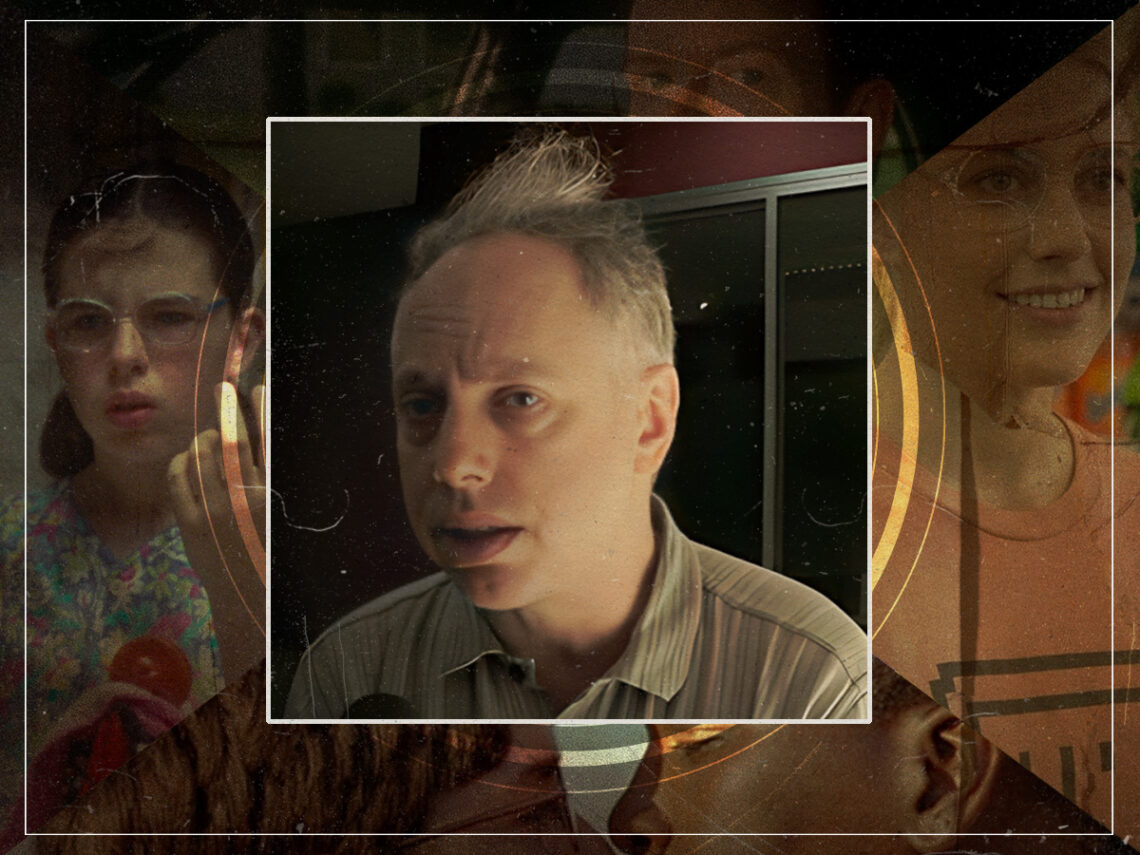
Todd Solondz: the underrated master of beautifully bleak comedy

The 1990s saw American independent cinema rise to unprecedented levels of success, with filmmakers like Quentin Tarantino, David Fincher, Paul Thomas Anderson, Sofia Coppola and Todd Haynes emerging to critical and commercial acclaim. With more creativity and experimentation being welcomed with open arms in comparison to the previous decade, many indie directors began tackling transgressive themes and centring marginalised characters, such as Todd Solondz.
The auteur started making shorts in the 1980s after studying cinema, which resulted in him making his first feature, Fear, Anxiety & Depression, in 1989. Unfortunately for Solondz, the experience was less than enjoyable, and he hated the finished result. Thus, he declared his days as a director over and got on with his life.
Yet, his thirst for filmmaking was still in need of quenching, and in 1995, he gave it another go. He opted to make a movie that would give an alternative spin on the coming-of-age genre, infusing dark adult comedy with the trials and tribulations of being a middle school outsider. Welcome to the Dollhouse, starring Heather Mattarazzo as Dawn Weiner, would end up becoming an indie hit, and it remains a cult classic to this day.
The movie follows Dawn as she navigates school bullies, a family that favours her perfect little sister, and extreme shyness when it comes to academia. She is awkward and unconventional, and you can’t help but want to give her a big hug, even when she’s being horrible herself. Solondz expertly captures what it feels like not to fit in, even at home, blending humour with brutal sadness. It is easy to find ourselves laughing as Dawn tries to impress her teenage crush or slices her sister’s Barbie dolls with a saw. Still, Dawn is neglected and misunderstood by everyone, and her attempts to find happiness are upsettingly tragic.
The beauty of Welcome to the Dollhouse lies in the complexity with which Solondz gives every character. No one is black-and-white, good or bad, and you find yourself empathising with or simply understanding characters who might otherwise be painted as one-dimensional stock archetypes in other similar coming-of-age stories.
His next project, Happiness, explored some tough themes, such as paedophilia, which led to considerable amounts of controversy upon its release. But Solondz isn’t a shock jock. He doesn’t want to make us feel sick because he gets a kick out of it. Rather, his films unveil the bleak truth of humanity with poignancy, weaving in sufficient doses of humour to emphasise a balance between total despair and flickers of hope.
Solondz is a truly unique director, and in 2004, he made Palindromes, which saw eight actors play one character, regardless of age or race. Thus, the 13-year-old protagonist is played by a variety of different people, forcing us to consider the role of changing identity. He also opened the movie with the funeral of Dawn Weiner from Welcome to the Dollhouse – before resurrecting her in 2016’s Weiner-Dog. Clearly, her presence, for better or for worse, runs through Solondz’s work. “I can say certainly, all of my movies are autobiographical in some way,” he once told Vice.
Solondz is never afraid to dig into the deepest, darkest crevices of humanity, but satire is there as a saving grace. If we can’t at least laugh at our pain, then what good is it? Due to the controversial nature of Solondz’s work, he remains a cult indie director despite several decades in the industry. Perhaps his films aren’t for everyone, but that’s to be expected when he’s covering such transgressive territory. Still, Solondz deserves more credit – his work is a breath of fresh (albeit challenging) air in a cinematic landscape afraid to tread too deep into the often depressing realities of an economically depressed and unfair America.
