


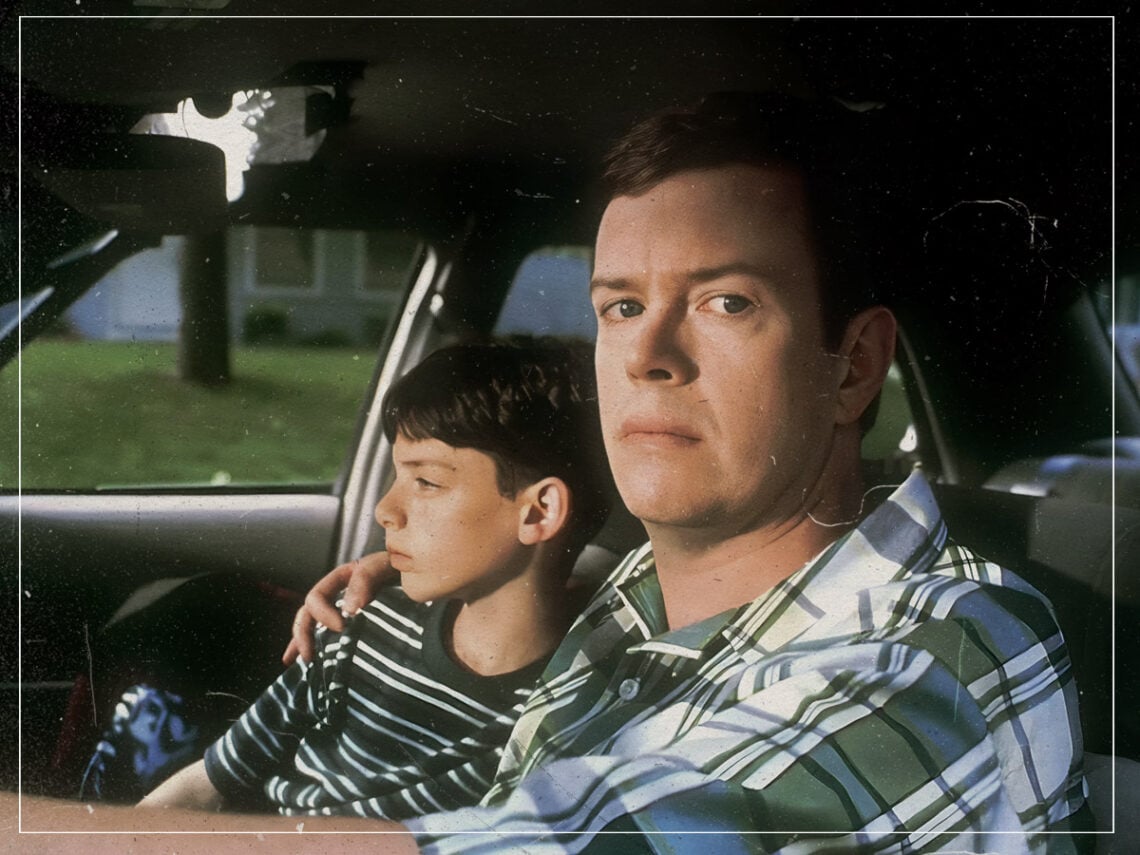
Todd Solondz’s ‘Happiness’: a grim exploration of true joy

Many of the works of filmmaker and playwright Todd Solondz are defined by their dark social critique outlook that often looks into the darker side of the American middle-class suburbs. Amongst his most impressive contributions to cinema is the iconic 1998 black comedy Happiness.
Rather than skirting around the tragic truths of human lives, Happiness is a movie that fearlessly dives head first into the darkest waters of what it means to live. It swims deep into the murky depths of the uncomfortable reality that lies beneath the banality that keeps us merely satisfied rather than genuinely content.
Peeling back such a façade of societal normalcy to expose with harrowing honesty the more uncomfortable facets of the human experience, the film occurs in the seemingly perfect suburbs of New Jersey. It portrays a set of characters, each in the midst of lives rife with anxiety and personal insecurity.
At the forefront are the Jordan sisters, including Joy, played by Jane Adams, a lonely woman desperate for the connection and affection of another who suffers the swings and arrows of misfortune at every attempt. Then there are Joy’s sisters, Trish (Cynthia Stevenson), a housewife unknowingly married to a paedophile, and Helen (Lara Flynn Boyle), a successful but unfulfilled author.
Outside of the Jordan family is Allen, played expertly by Philip Seymour Hoffman, a socially inept man with a keen attitude for making obscene phone calls, especially to the Jordan sisters. The movie digs deep into the fact that even the most strange and disturbing characters can fester underneath the supposed idyll of suburbia.
Solondz unflinchingly explores the most taboo of subjects, including paedophilia, sexual assault, infidelity and the desperation for romantic love. It might seem like Happiness contains provocation for provocation’s sake in that light, but this couldn’t be further from the truth, as there is a genuine fostering of empathy throughout the film. It invites a sense of introspection from its viewers, asking them to consider the harsh and ugly realities of life.
There’s also a generous amount of emotive tenderness and humour, though it’s delivered in a dark and ironic manner. Even amongst the pitfalls of modern living and its many despairing moments, Solondz’s characters are capable of finding laughter and joy in their lives, and it’s this carefully walked tightrope between tragedy and comedy that the director is able to examine just what it means to be happy.
Happiness is not necessarily an easy movie to watch as it brings to light many sides of life that we are wont to hide from, but for that very reason, it’s an essential piece of American cinema. Solondz delivers a courageous take on the most sought-after human emotion, and his critique of our contemporary society is one that lingers long in the mind once the credits have rolled.
Check out the film’s trailer below.
