


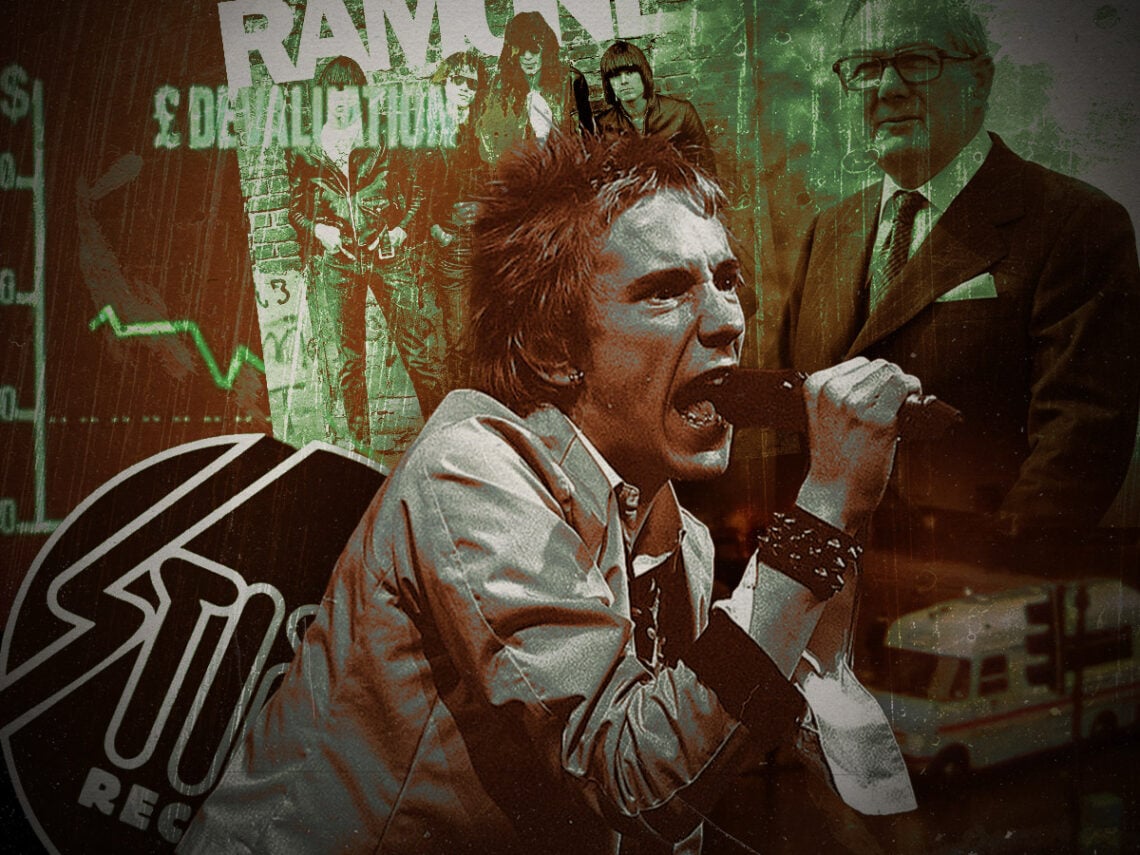
London, 1976, rolling blackouts, and a timeline of the first year of punk music

What the hell was or is punk?
Ask people involved in the genre, those who pioneered it, and those who claim to love it, and none of them will be able to give you a straightforward answer.
This was a musical movement that burned bright and fast. There was simply no stopping it once it got going, as a load of angsty musicians brought rock music back to basics, using it as a vessel for anger. The societal imbalance throughout Britain was worse than ever, and the bands who usually addressed such injustice were busy getting lost in prog and psychedelic rock.
Enter the likes of John Lydon, the Sex Pistols, and all other artists who felt the anger of punk spoke to them.
Before any of these bands actually released music, the first year of the movement consisted of them causing chaos at some of the most bizarre live shows to ever take shape. The anger was clear, but there was something else lingering under the surface which appealed to a select few. The first year of punk music was perhaps the most prolific in the genre’s history, as this raw form of music was presented in its most authentic state, before other artists began to complicate it.
Let’s take a look through those first 12 months of punk and examine how it revolutionised the way that people saw music.
A timeline of 1976, the first year of punk:
January, 1976
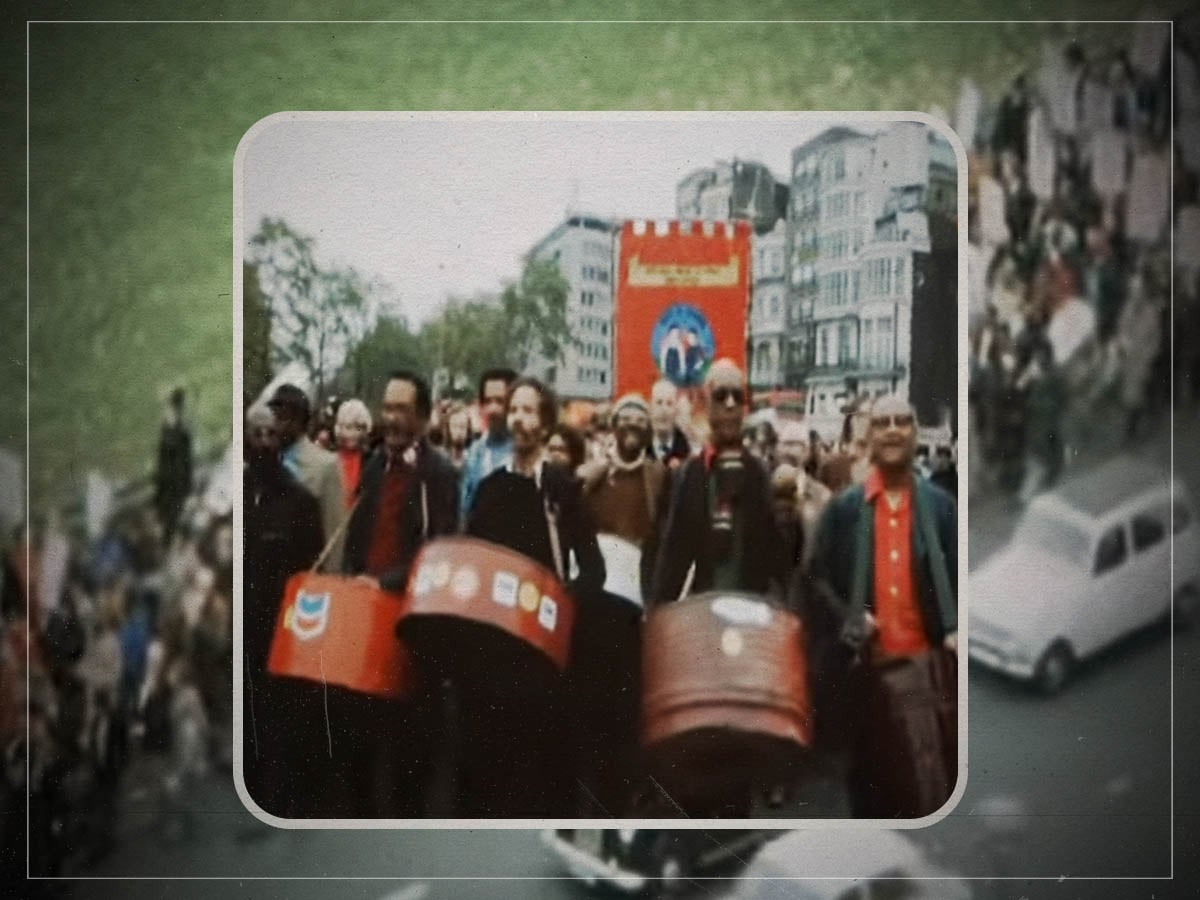
UK unrest and unemployment
As unemployment reached its peak in the UK, many sought to take part in protests and marches to kick back against the government and urge it to launch new initiatives to help the working class navigate instability and insecurity.
This fuelled the forthcoming punk rock movement, which encouraged musicians and other members of the movement to speak up and voice their concerns in an effort to support an entire generation of unsupported youth.
March, 1976
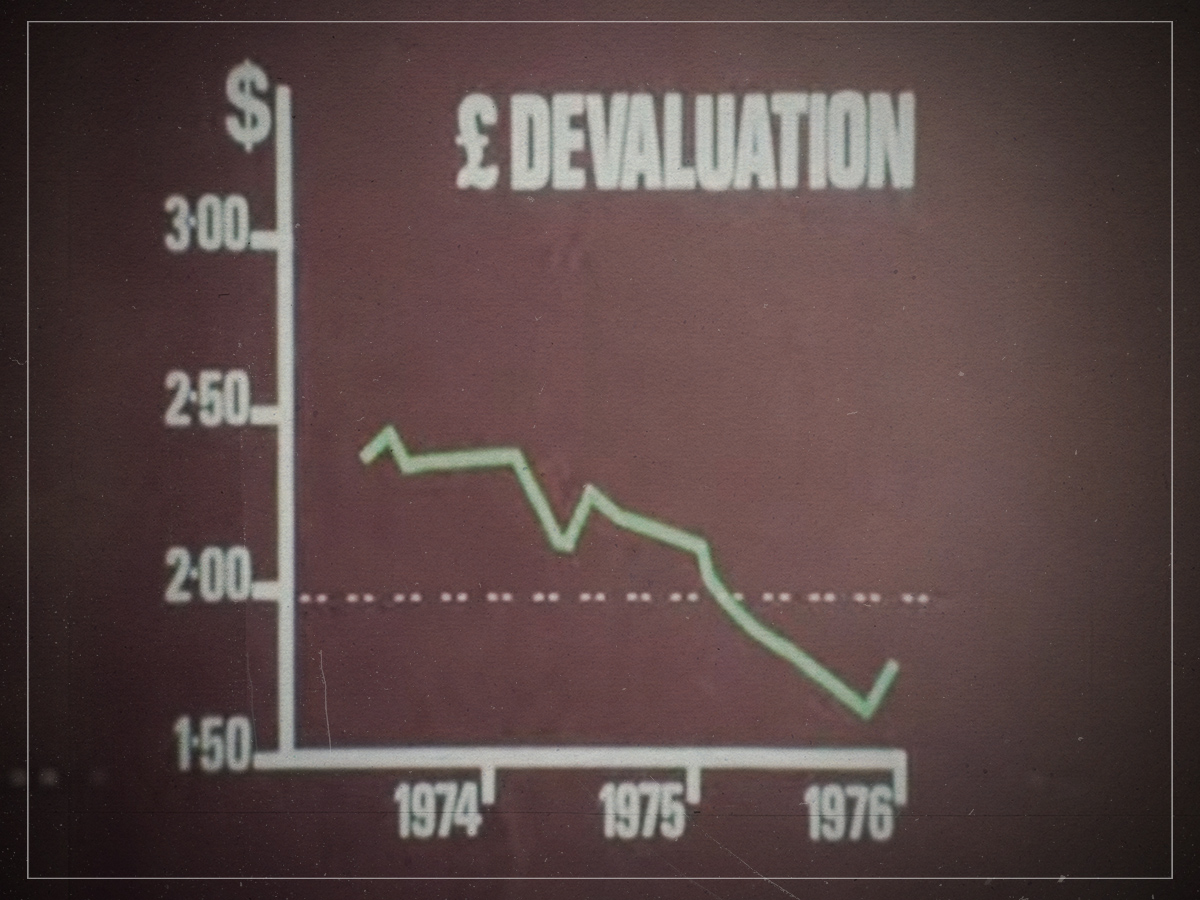
UK sterling crisis
There might be a severe lack of trust in the British government and UK economy nowadays, but the sterling crisis of 1976 meant that people were starting to worry about their own stability if the economy continued to decline and inflation continued to rise.
The punk rock boom emerged as a response to these uncertainties, with people wanting to band together to feel a sense of power and community when it felt like they were being failed in all other areas of their lives.
April, 1976
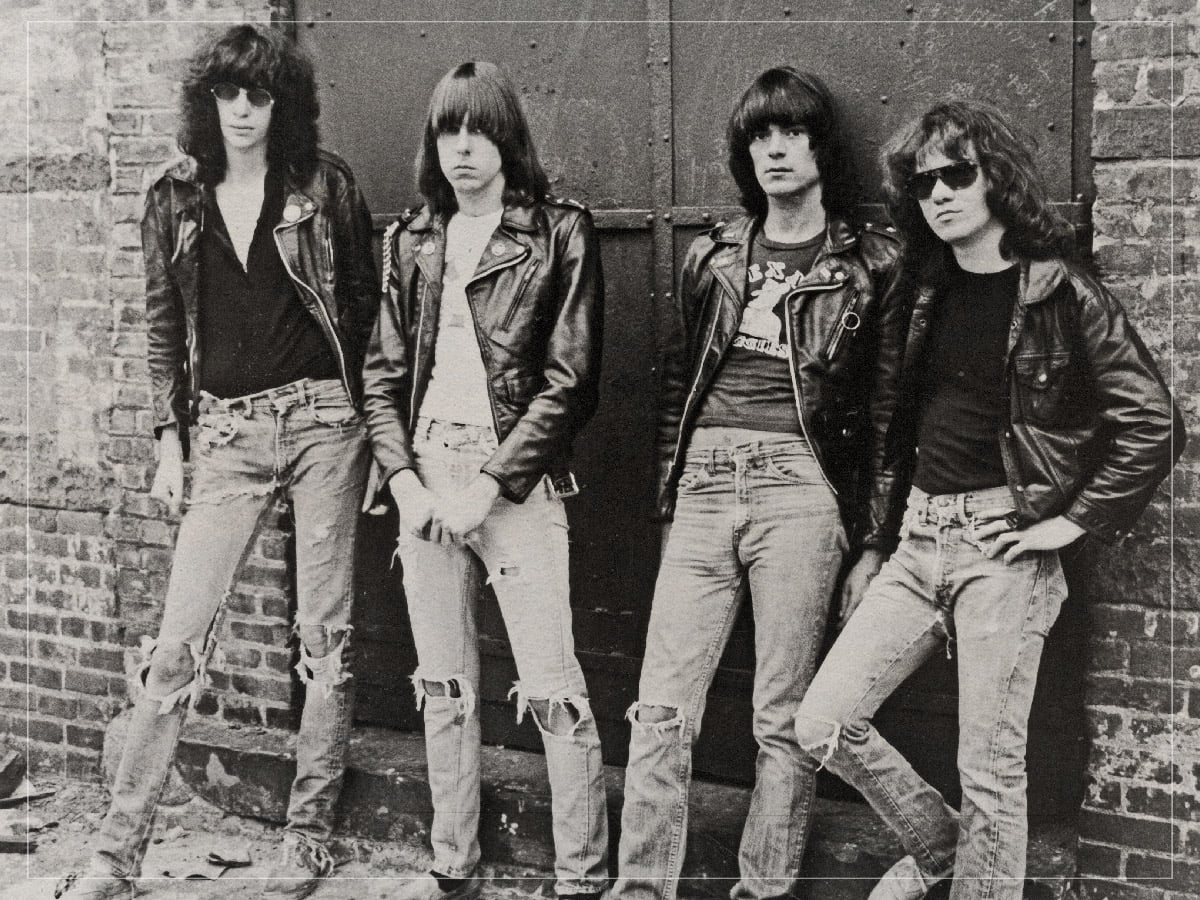
Ramones release debut album
There’s a reason why Ramones is credited with launching the entire punk rock movement, and it’s not just that it resonated during a time of immense struggle.
It also brought a new flavour of rock that didn’t feel as self-indulgent as previous releases, delivering a simplistic, aggressive-leaning sound that made people feel like they were finally being listened to. At the same time, it also felt inherently fun and joyful, urging people to lighten up when all hope was lost.
April, 1976
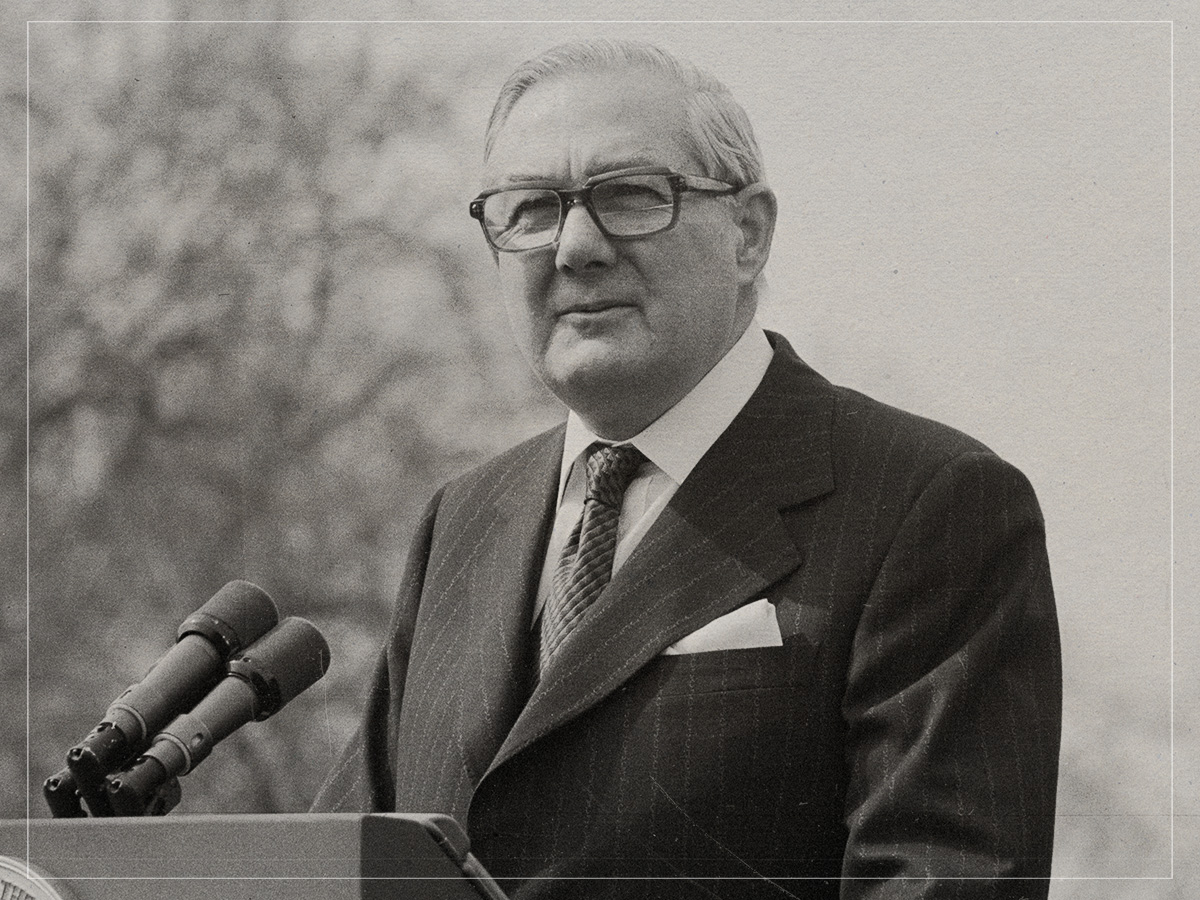
James Callaghan succeeds Harold Wilson as Labour leader
After Harold Wilson’s resignation as prime minister in 1976, James Callaghan replaced him as the country’s Labour leader, set to guide the country through one of its most turbulent times.
Facing an intense financial crisis, the British public saw the move as another symptom of an unstable country, feeling even less certain that things would settle down in the near future.
May, July, 1976

The Clash form and perform their first gig
Like the Ramones, The Clash became the voice of a generation, creating music that not only represented the spirit of the times but also gave people a sense of hope when they needed it the most.
In July, they performed their first-ever gig alongside Sex Pistols in Sheffield, wanting to get ahead of their rivals, The Damned, before they officially launched onto the scene. However, it would be a few weeks before they performed again, this time with a more refined identity that ensured they were ready to lead an entire movement.
June, July, 1976

Sex Pistols perform at Lesser Free Trade Hall
Across June and July, Sex Pistols performed two gigs at Manchester’s Lesser Free Hall, two gigs that have since gone down in history as events that single-handedly sparked a surge of a handful of future legends.
After all, among the audience those nights were none other than the likes of Joy Division, New Order, The Smiths, The Fall, Simply Red, and Buzzcocks, many of whom cited the gig as one of the major reasons they pursued a career in music in the first place.
August, 1976
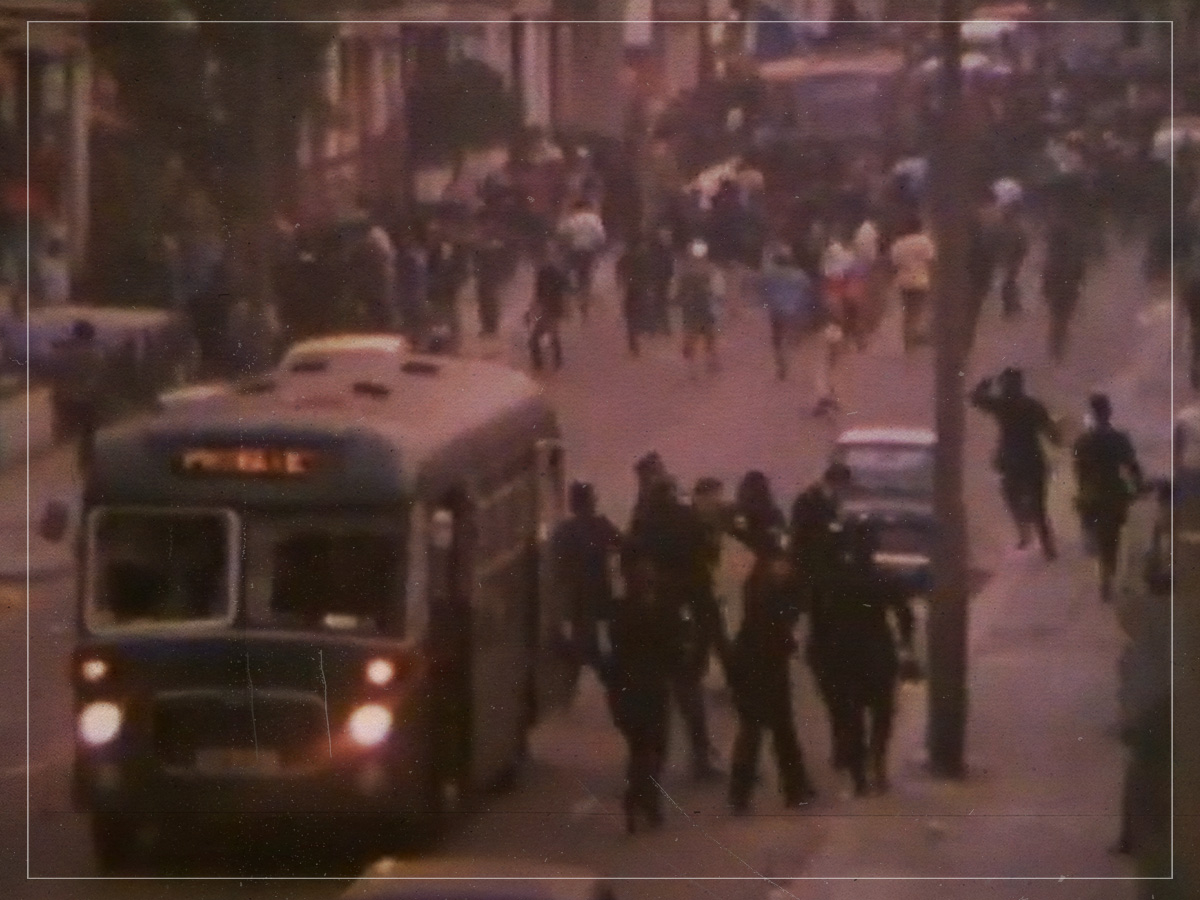
The Notting Hill carnival riots
In August, the Notting Hill Carnival in London broke out in riots after police and attendees clashed, which soon escalated into a more violent disturbance that ended up in several attacks and hospital admissions, many of whom were from marginalised groups.
As tensions rose across the country, the riots prompted anti-racist groups to join forces in an effort to kick back against the far right, with many in the burgeoning punk rock movement finding new places to channel their anger and frustration.
August, 1976
The launch of Stiff Records
Stiff Records was launched by Dave Robinson and Jake Riviera in August 1976, initially signing predominantly punk-only artists.
Bands on their roster included many we still very much celebrate today, including Nick Lowe, The Damned, Elvis Costello, Ian Dury, and Devo.
September, 1976

The 100 Club Punk Festival
Showcasing a handful of mostly unsigned punk bands, the 100 Club Punk Festival was at the forefront of the punk rock movement, marking a major turning point in the emergence of some of its most era-defining bands.
The festival took place after the Sex Pistols’ manager, Malcolm McLaren, approached them with the idea and asked whether they’d like to headline the event. They then reached out to their peers, The Damned and The Clash, and asked if they wanted in.
Of course, they were just as keen, and the festival turned into a major celebration of Britain’s hottest new scene, including performances by Subway Sect, Siouxsie & the Banshees, Stinky Toys, Vibrators, and Buzzcocks.
October, 1976

The Damned release ‘New Rose’
Labelled as the first-ever punk rock single, The Damned’s ‘New Rose’ arrived just before the Sex Pistols’ debut single, thus providing a framework for the British punk sound and a standard that many attempted to match for many years after.
As the punk scene took flight, many rivals were attempting to beat each other to the punch, but The Damned started out strong with a single that set the entire standard.
November, 1976
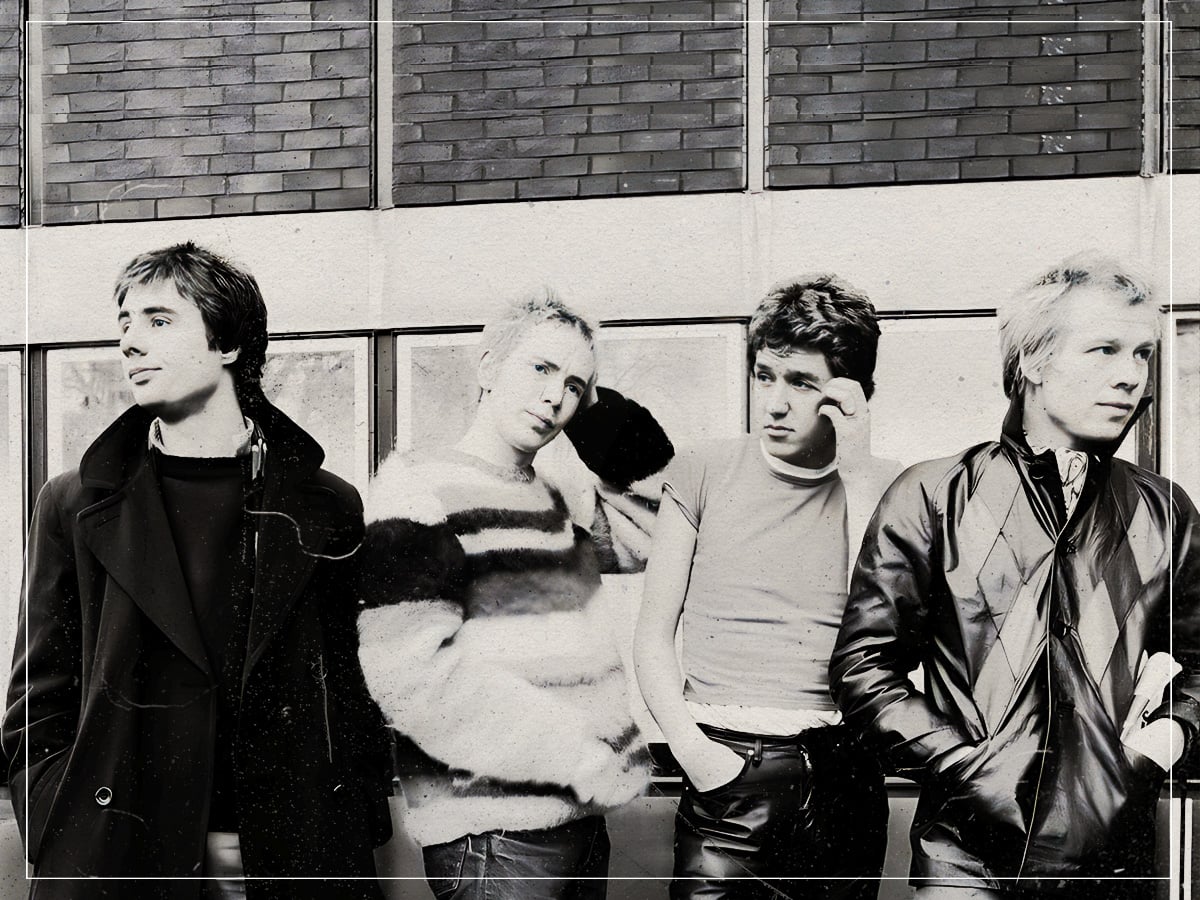
Sex Pistols release ‘Anarchy in the UK’
Not all revolutions are overly complicated rallying cries, some are as simple as holding a pitchfork and demanding better. ‘Anarchy in the UK’ was as straightforward as its title in pulling together an entire generation who all wanted to spotlight just how much of a shitshow Britain had become.
As John Lydon put it, “Early 1970s Britain was a very depressing place. It was completely run-down, there was trash on the streets, total unemployment; just about everybody was on strike.”
December, 1976
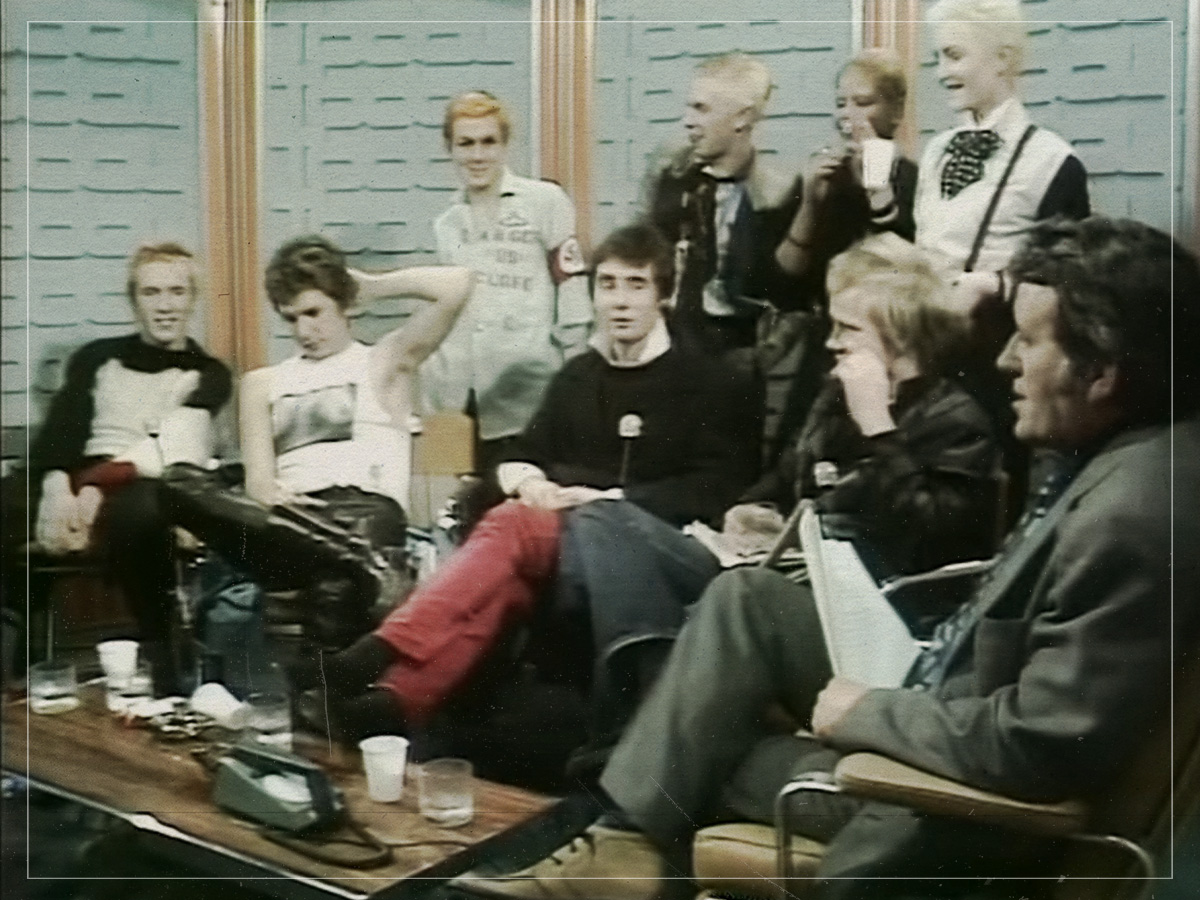
Sex Pistols Today programme appearance sparks outrage
When Sex Pistols appeared on Today with host Bill Grundy, viewers probably didn’t anticipate that a harmless stint would result in a mass national moral panic.
But alas, that’s what happened when they were coerced into swearing on air; it sparked a snowball effect that birthed the official explosion of the entire punk movement, alongside general uproar about censorship in the UK, and resulting in the cancellation of several Sex Pistols Anarchy Tour dates.
Oh, and it also coined one of the most iconic tabloid headlines in history (Daily Mirror’s ‘The Filth and the Fury’).
December, 1976

Sex Pistols, The Damned, and The Clash begin Anarchy Tour
In the aftermath of this controversy, the Pistols embarked on a handful of dates in the following weeks alongside The Damned and The Clash for the aptly titled Anarchy Tour.
Labelled as ‘the tour they tried to ban’, the Anarchy Tour launched punk into the stratosphere, demonstrating how the right amount of willpower and eagerness to be destructive can be just as powerful in fighting back against the establishment.

Never Miss A Beat
The Far Out Punk Newsletter
All the latest Punk content from the independent voice of culture.
Straight to your inbox.