


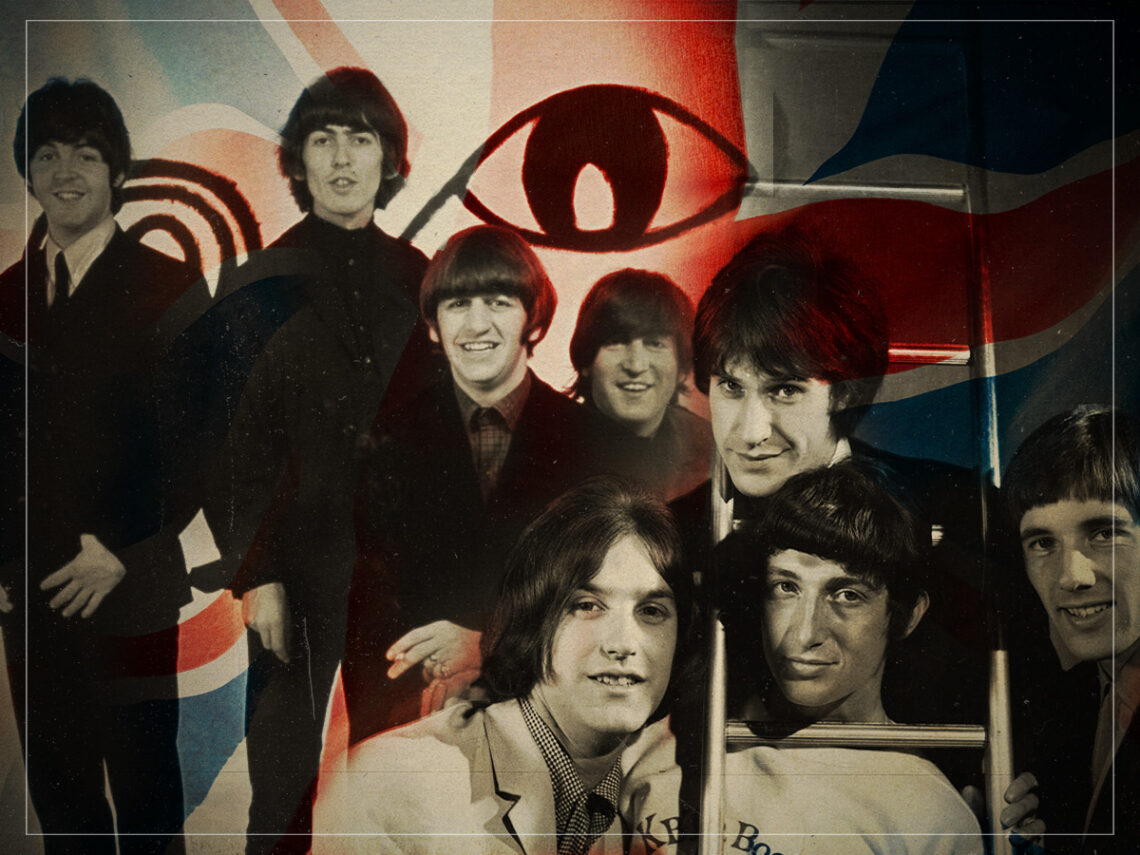
‘Taxman’ vs ‘Sunny Afternoon’: How two classic songs from 1966 tackled the British economy

By the time the swinging age of the 1960s came to an end, rock stars were among Britain’s highest earners, using their newfound wealth to fund mansions, sports cars, and enough drugs to knock out entire nations. Pretty quickly, though, this generation of wealthy rockstars realised that, like everybody else, they had to pay tax.
Despite the fact that the majority of these groups, who suddenly found themselves flush with cash, had come from fairly modest backgrounds, the idea that their colossal earnings would be subject to tax was utterly outrageous to them.
The Rolling Stones, for instance, were so appalled by the idea of paying their way that they became tax exiles, relocating to mainland Europe to continue their lives of hedonistic extravagance. Meanwhile, their supposed rivals, The Beatles, expressed their own disgust in the 1966 track ‘Taxman’.
Penned by the unmaterialistic George Harrison, the Revolver track presented the Inland Revenue as some kind of heartless boogeyman and an enemy of all people. “If you try to sit, I’ll tax your seat,” Harrison sings, “If you get too cold, I’ll tax the heat,” before specifically naming the then-PM Harold Wilson.
Having been in power since 1964, the Labour leader imposed a so-called ‘supertax’ on the income of Britain’s highest earners. For those who were earning the kind of riches The Beatles were generating at that time, a rather large portion of their income was being taxed at a rate of 95%. In fact, it is often reported that, at the peak of their fame, 90% of The Beatles’ income was going straight to the government – although the fact that the remaining 10% was still more than any ordinary working person could hope to make in their entire lifetime is often omitted.
Nevertheless, ‘Taxman’ encapsulates that period in British history, when bands like The Beatles were redefining the nation’s cultural history and the Labour government was changing its political landscape – the Fab Four weren’t the only ones to pen a song about these controversial new tax changes, either, as two months prior to the release of ‘Taxman’, The Kinks unleashed ‘Sunny Afternoon’.
One of Ray Davies’ defining tracks, the single also detailed the difficulties in having a portion of your income taken away by the taxman. Crucially, though, The Kinks’ version was delivered satirically, told from the perspective of a rich person moaning about how he “can’t sail my yacht” while he lounges around his stately home.

While the subject of the song was more old-money than the rockstars complaining about ‘supertax’ in the mid-1960s, ‘Sunny Afternoon’ does a good job at exemplifying the ridiculousness of people like The Stones, The Beatles, and, indeed, The Kinks feeling hard-done-by when it came to tax.
Davies, after all, had grown up in relative poverty, in the working-class communities of post-war Britain where virtually everybody was struggling to make ends meet – a situation he detailed in ‘Dead End Street’. So, for him or any other musician or his fame and success to complain to their working-class audience about having a portion of their eye-watering earnings taxed would be pretty farcical.
Economic commentary might not be the first thing that springs to mind when harking back to the swinging sixties, but back in 1966, both The Kinks and The Beatles had their own say on the government’s taxation policy, and both tracks represented two sides of the same coin.

Never Miss A Beat
The Far Out Beatles Newsletter
All the latest stories about The Beatles from the independent voice of culture.
Straight to your inbox.