


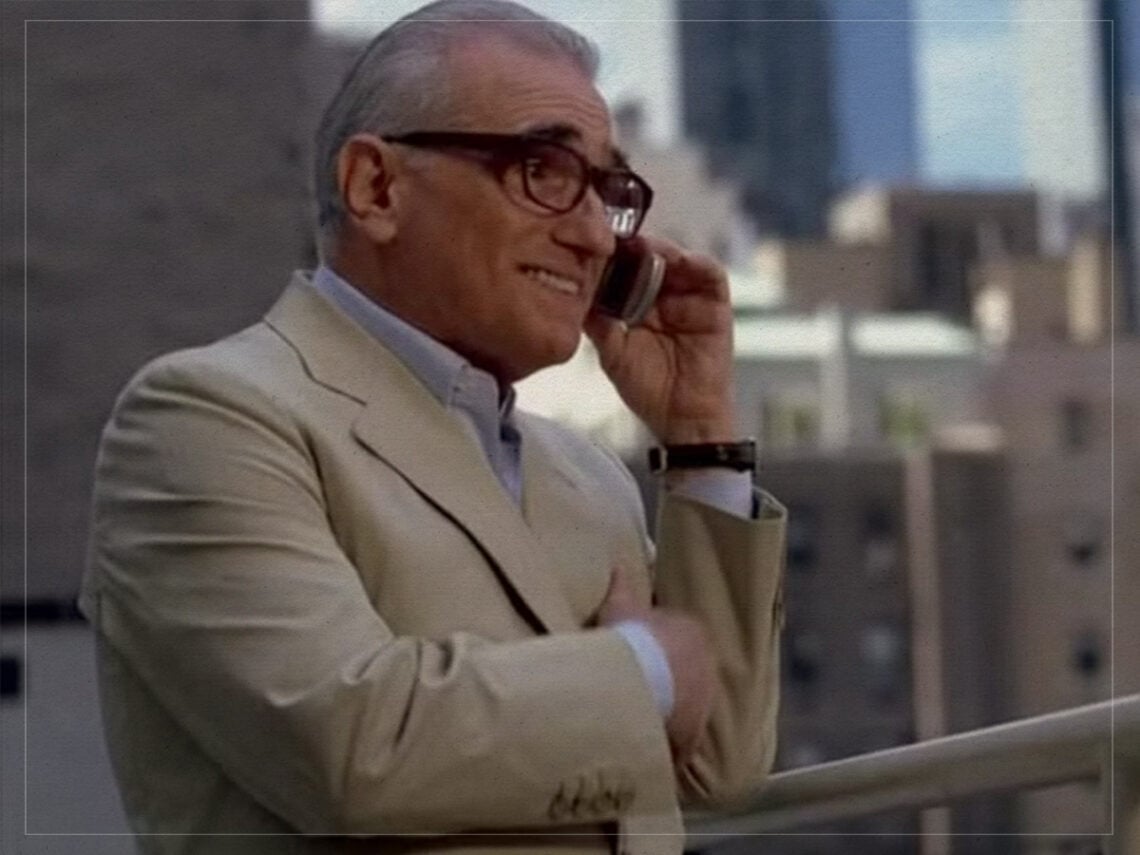
The unmade 1985 movie Martin Scorsese quit in disgust: “They’ll never make this”

Martin Scorsese has adapted many novels during his time, from Edith Wharton’s stunning period piece The Age of Innocence to Jordan Belfort’s controversial memoir The Wolf of Wall Street, but not all of his literary-based projects have come to fruition.
Therein lies the problem with Hollywood, where so many people are involved in bringing a production to life that they often fall through, never making it to the big screen. That was the case for a movie that Scorsese almost made in 1985, which would’ve seen him adapt an Elmore Leonard novel, and instead, he went on to make the acclaimed After Hours, starring Griffin Dunne.
The story of LaBrava is a frustrating one because it looked like it was heading towards production with various reliable figures on board (at least in terms of their talent), but it all crumbled into nothingness, and Dustin Hoffman has a lot to answer for.
Leonard’s novel was published in 1983, and it followed a former Secret Service Agent named Joe LaBrava who gets dragged into a murky world after becoming involved with a female actor. It was soon scooped up by producer Walter Mirisch, who made a deal with Universal Pictures to bring the film to the big screen, with Leonard heavily involved in the process. The movie appeared to be going in the right direction, even more so when Hoffman expressed interest in the leading role.
The actor then suggested hiring Scorsese to direct, and it wasn’t long before the iconic Taxi Driver filmmaker agreed to the job. This had the potential to be really big, yet Hoffman was taking a while trying to decide whether to actually commit to the part. Leonard was left twiddling his thumbs as he waited to figure out what the hell was going on with his movie, all while not getting paid.
Hoffman signed onto the film in 1985, but Leonard’s agent wasn’t convinced that the project was actually going to go ahead, who told his client, “They’ll never make this picture”, and he was right.
Hoffman’s financial demands were just too much for Universal, so Mirisch had no choice but to shop around for someone else to take on the picture. You’d think other big studios would’ve been interested with several high-profile names attached, but the producer wasn’t having much luck at all.
Finally, he struck up a deal with the Cannon Group, an independent company without much notoriety in the business. Naturally, Scorsese, who’d previously worked with the likes of United Artists, Columbia Pictures, and 20th Century Fox, wasn’t keen. So, after all that faffing about from Hoffman, Scorsese stepped away from the project, leaving Leonard at a loss once again.
Several other directors got close to directing the movie in the aftermath, including Francis Ford Coppola and Hal Ashby, but yet again, disagreements took hold. In 1986, Hoffman walked away from the project without looking back. So, LaBrava sadly failed to hit the big screen, much to Leonard’s dismay, who felt like much of his time (unpaid, no less) had been utterly wasted.
