


‘Smoosh’: How Bob Odenkirk and David Cross parodied Oasis

More than a decade before he made his debut as the character Saul Goodman in the second season of Breaking Bad, Bob Odenkirk was already something of a sketch comedy cult hero in America.
A veteran of Chicago’s famous Second City stage, Odenkirk worked as a writer on Saturday Night Live and Late Night with Conan O’Brien in the early 1990s before getting his own sketch series on HBO alongside comedian David Cross. That programme, which aired for four seasons between 1995 and 1998, was simply called Mr Show, and the title said more about the sensibilities of its hosts than you might initially think.
“It’s not so much a matter of what the name is,” Odenkirk explained to the Associated Press in 1997. “I just like what it isn’t.” He then gave one example of a name they could have chosen instead: “Mr Wacky’s Carnival of Values”.
David Cross chimed in with another: “Grand National Championship.” While Odenkirk was more of a sketch performer and Cross more of a stand-up comic, the two were both part of what was loosely known in the ‘90s as the “alt-comedy” scene, so-named due to its punkier, deconstructive take on old comedy conventions, along with its chronological alignment with the explosion of all things “alternative” in mainstream music at the time.
Mr Show, thanks to its position on a subscription cable TV channel, had a lot more freedom than most American network television comedies of the same period. Odenkirk and Cross could cover just about any subject they want; cross all sorts of lines in vulgarity and good taste; and, more importantly, operate outside the influence of worried advertisers. Rather than using that long leash to get overtly political or controversial, though, Bob and David mostly took the opportunity to create the sort of offbeat and absurdist material that they loved; a style that was quite common in a lot of British comedy, particular of the Monty Python family tree, but that was usually a much tougher sell in the States.
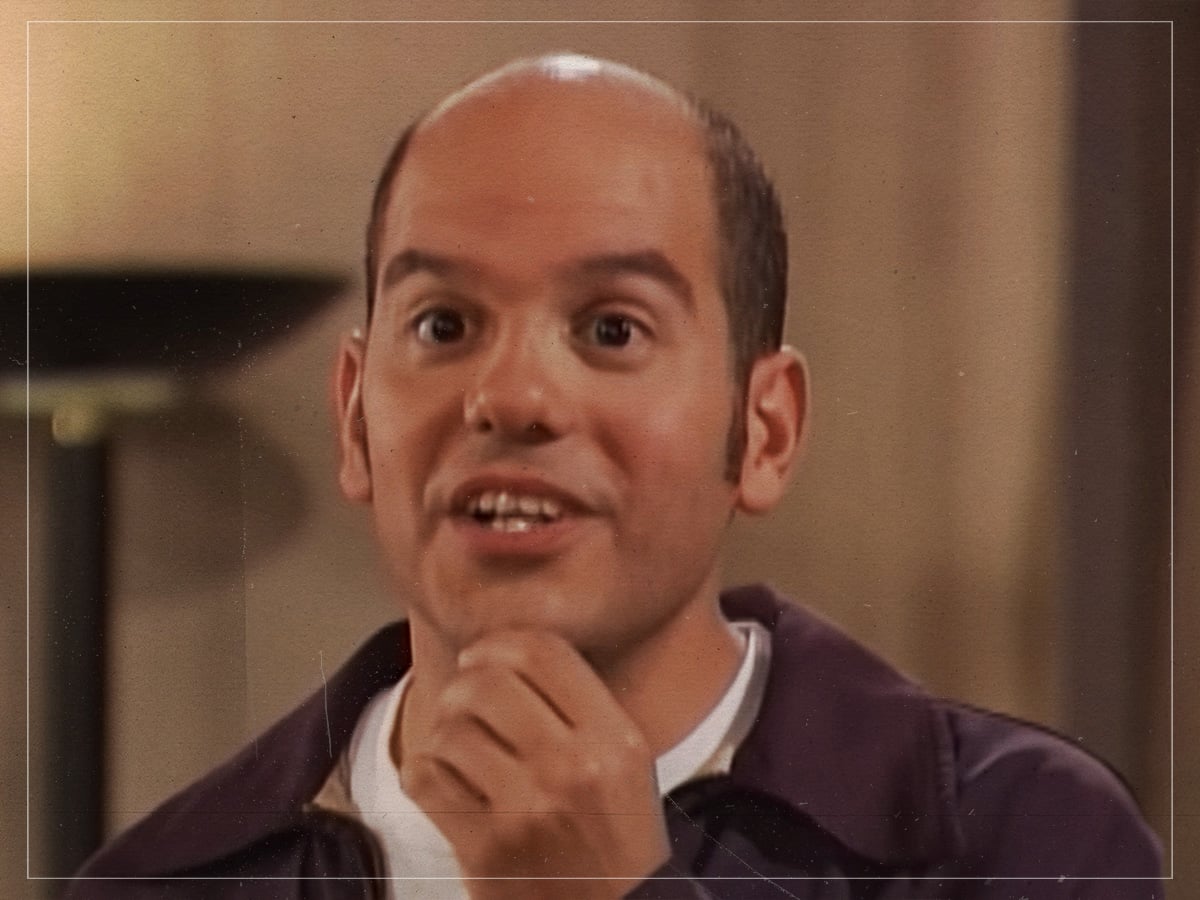
In one classic Mr Show sketch, David Cross plays an actor coming in to audition for two casting agents, and announces that he’ll be performing a monologue from a play called ‘The Audition’. Some delightfully and increasingly tense meta-humour ensues, as the agents try to differentiate Cross’s naturalistic performance of an audition from the actual circumstances of his real audition: “Can I use this chair?” Cross asks.
“Sure,” Odenkirk responds. “No, no,” Cross says with frustration. “I had started it. That’s part of the monologue.”
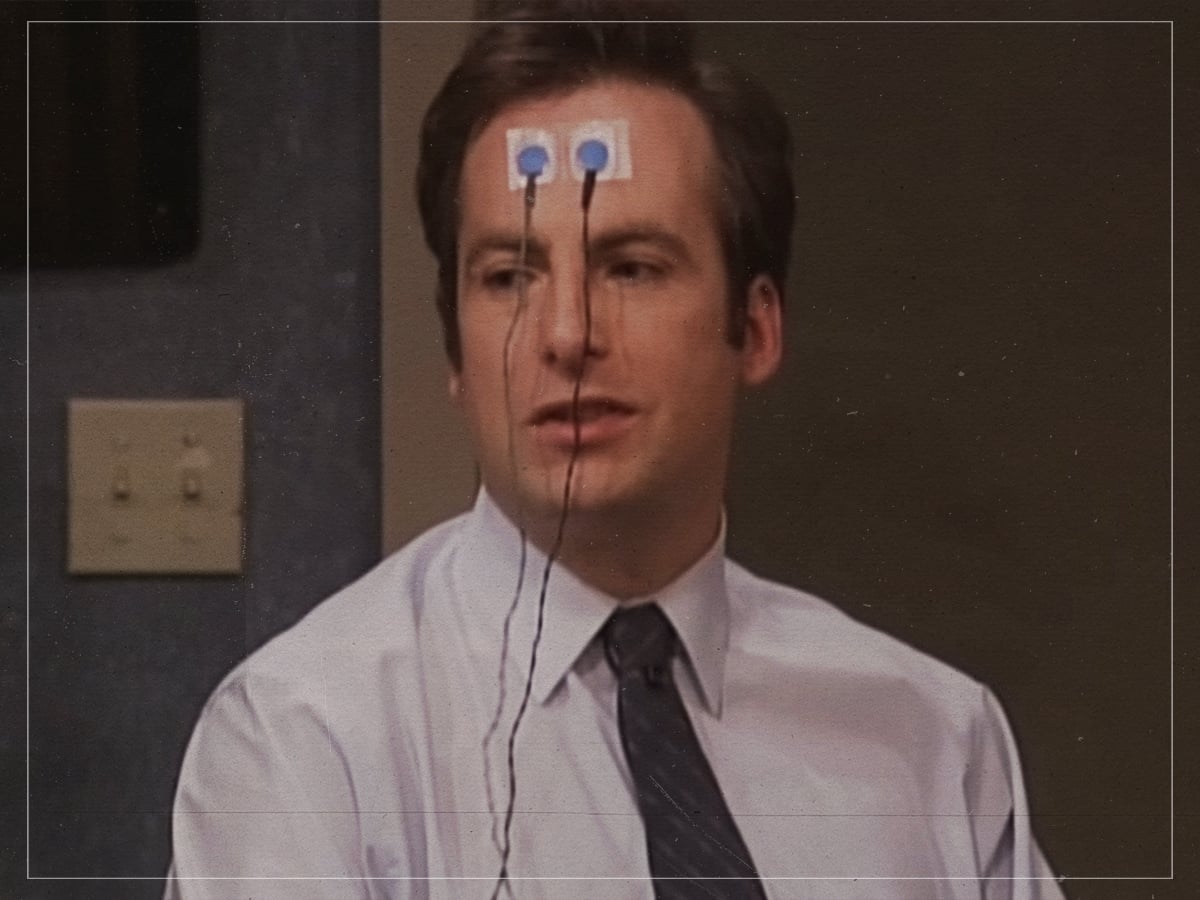
In another sketch called ‘Lie Detector’, Odenkirk plays a criminal suspect who’s hooked up to a polygraph test in a police station, and answers “yes” to every question he’s asked, none of which registers as a lie. He has somehow taken every type of drug and committed every sort of odd crime. To make sure the machine is working, the dumbfounded cops start asking him increasingly ludicrous questions: “OK, have you ever dressed up like a lady of affluence, gone to a fancy downtown eatery, picked up a rich guy, seduced him, and made him wanna marry you?”
“Yes,” Odenkirk calmly responds, confirmed again by the machine. “Our story was made into a hit Broadway musical.”
In both of those examples, and dozens of others, the viewer thinks the punchline or central joke is heading in one direction, but it usually divides, dissolves, or takes a wild turn somewhere along the way, helping to explain why Mr Show became, for a lot of ‘90s kids, the cool alternative to an increasingly stale Saturday Night Live.
“We try to build in at least a couple of layers,” a 35-year-old Odenkirk explained in 1997, “not just create a shell for as many pratfall laughs as we can get. A sketch on some other shows will get stuck on one joke, and play it and play it, then turn it, then end. But we try to go somewhere, to make a story.”
Unlike SNL, Mr Show also usually did its best to avoid topical humour or doing direct impressions of celebrities or politicians. They still did their fair share of satire, but usually tried to dress it up inside a sillier shell, something that would make it a little more evergreen.
“A lot of comedy shows are all about references to what’s happening right now in pop culture,” Odenkirk said. “We may touch on those things, too, but we don’t say to ourselves, ‘You know, people are talking about this, so let’s write about it, and they’ll laugh.”
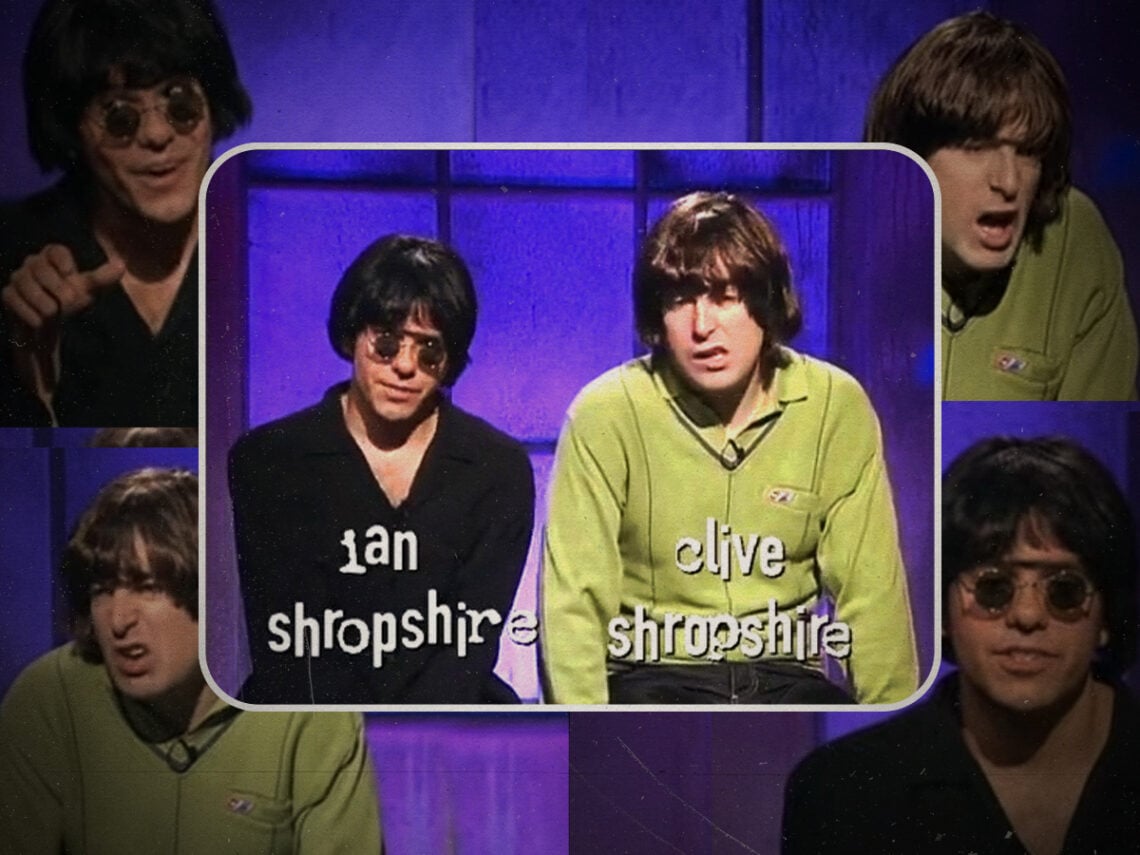
If there’s one arguable exception to that rule, it might be a sketch from season three, episode five of Mr Show, titled ‘Smoosh’. Here, Odenkirk and Cross are playing two brothers from a popular English rock band called Smoosh, and while both of their attempts at a Manchester accent are disastrous, it’s pretty clear who they’re having a go at.
The ‘Smoosh’ sketch aired in October of 1997, two months after Oasis released their massive, bloated third album, Be Here Now, right at the tail end of the Britpop phenomenon. Lampooning the Gallaghers certainly wasn’t groundbreaking by this point, but watching this sketch nearly 30 years later, it does serve as an interesting insight into how two Los Angeles-based comedy writers determined what was funny about Liam and Noel, versus the sort of approach UK comics would have taken in the same era.
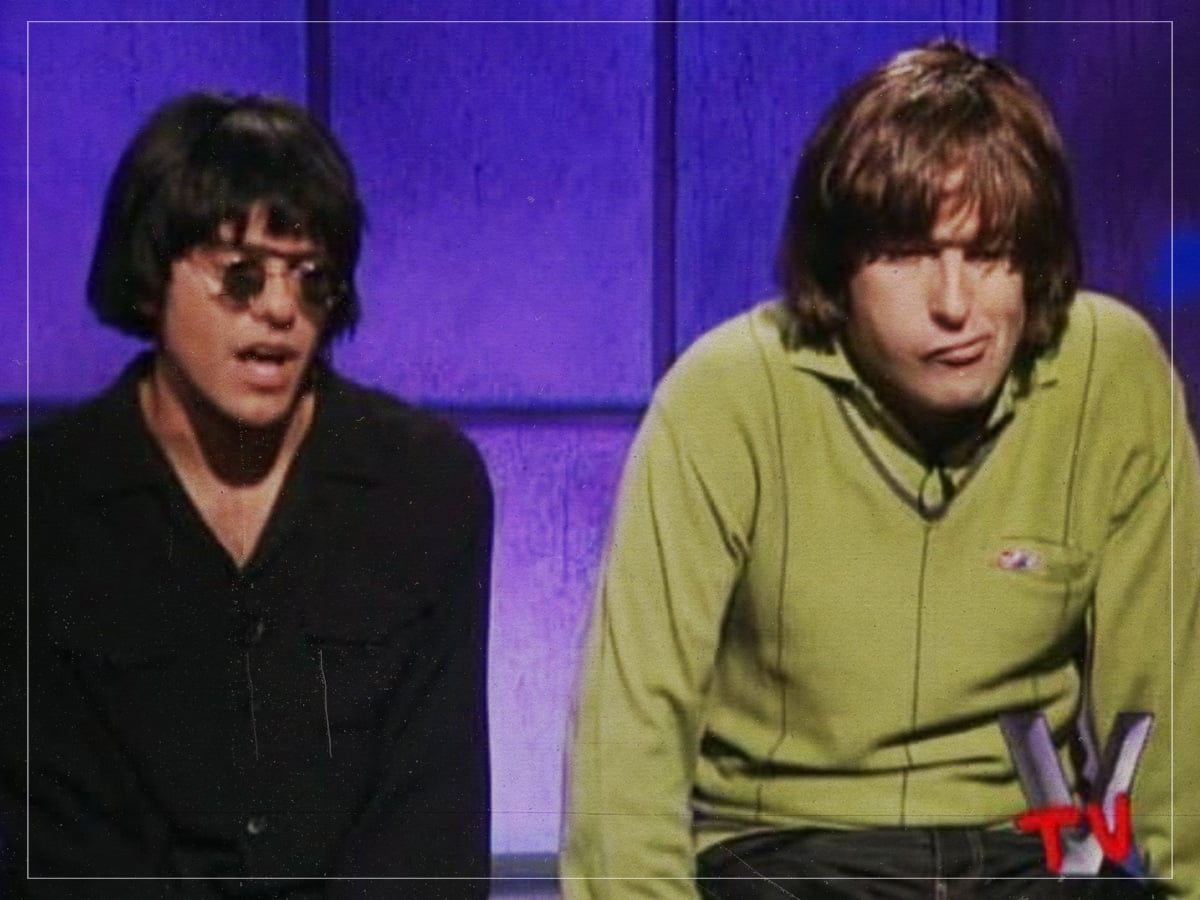
David Cross, whose real-life father was actually from Yorkshire, portrays the smug Smoosh singer Ian Shropshire, while Odenkirk is his snarky, mouth-breathing brother Clive Shropshire. The duo are guests on an MTV-style chat show, and it’s clear from the get-go that they are not thrilled about being there. Rather than taking their annoyance out on each other, however, as the low-hanging comedy fruit of the Gallagher Brothers would usually suggest, the Shropshires are instead hilarious for their total lack of enthusiasm over their own success.
After the host congratulates them on their latest album, Space Age Super Suit, going triple platinum, the brothers look forlornly at the floor. “Doo-da, doo-da,” Odenkirk sarcastically responds.
There’s certainly an element of the Gallaghers’ rude, uncooperative ‘90s TV energy going on here, but it feels like Odenkirk and Cross are actually casting a wider satirical net, and sure enough, according to the old DVD commentary from the Mr Show boxset, they had been inspired equally by watching a recent MTV interview with the notoriously grumpy guys from Radiohead, who’d just released OK Computer.
Seeing Smoosh as a bizarre Oasis-Radiohead mash-up really makes the 1997-ness of it all click into place. Being a rockstar was never more of a burden than it was in the ‘90s, when fame and success required “selling out,” and selling out required pretending you were miserable any time a camera was around.
As with their philosophy on naming their show Mr Show, Bob and David mine the humour out of over-serious, self-centred British rock stars by keeping the cartoonisation to a minimum. While Americans were vaguely aware of Liam and Noel’s tabloid antics and antagonistic, insult-laden relationship, none of that stuff was deemed relevant for this particular skit. The launching-point joke is more about total, unapologetic rockstar aloofness.
When Ian Shropshire is asked how he feels about becoming a dad to a new baby girl, born earlier that day, he is completely apathetic. “Dunno,” is the response. Later, when it’s revealed that Smoosh will be performing a gig on the moon for one lucky sweepstakes-winning fan, Ian is asked if he’s excited about playing on the lunar surface. “Dunno”. “We like cheese,” chimes Clive.
Eventually, the sketch’s big left turn is the reveal that the frustrated TV interviewer and the Smoosh boys are also in the middle of a group therapy session overseen by a counsellor. They’re trying to learn how to communicate better with each other in the TV interview format. Ian says that while he loves the host and wants the interview to work, he feels like he’s being quizzed by a headmaster. “And I need my sarcasm,” Clive adds, “because it’s my security blanket, innit?”
There are no direct references to anything from the Gallagher brothers’ personal lives; no real dagger jokes or put-downs. The whole thing is farcical and is really about that unique, painful awkwardness that plays out when a sunny TV presenter encounters bored, cocky artists who aren’t willing to play along with the promotional game. If there’s a deeper commentary or criticism, it’s probably that a lot of ‘90s bands, on both sides of the Atlantic, were becoming increasingly obnoxious in their disdainful approach to self-promotion. It was cute when Kurt Cobain did it, but if your band’s going to agree to play on the moon, the least you could do is show some enthusiasm about it.
There is a fun bonus joke in this sketch that also feels quite prescient, as an advertisement for Smoosh’s moon concert contest is sponsored by “Fruitastrophe Inhalers,” a product that looks not-too-dissimilar from today’s vapes.
