


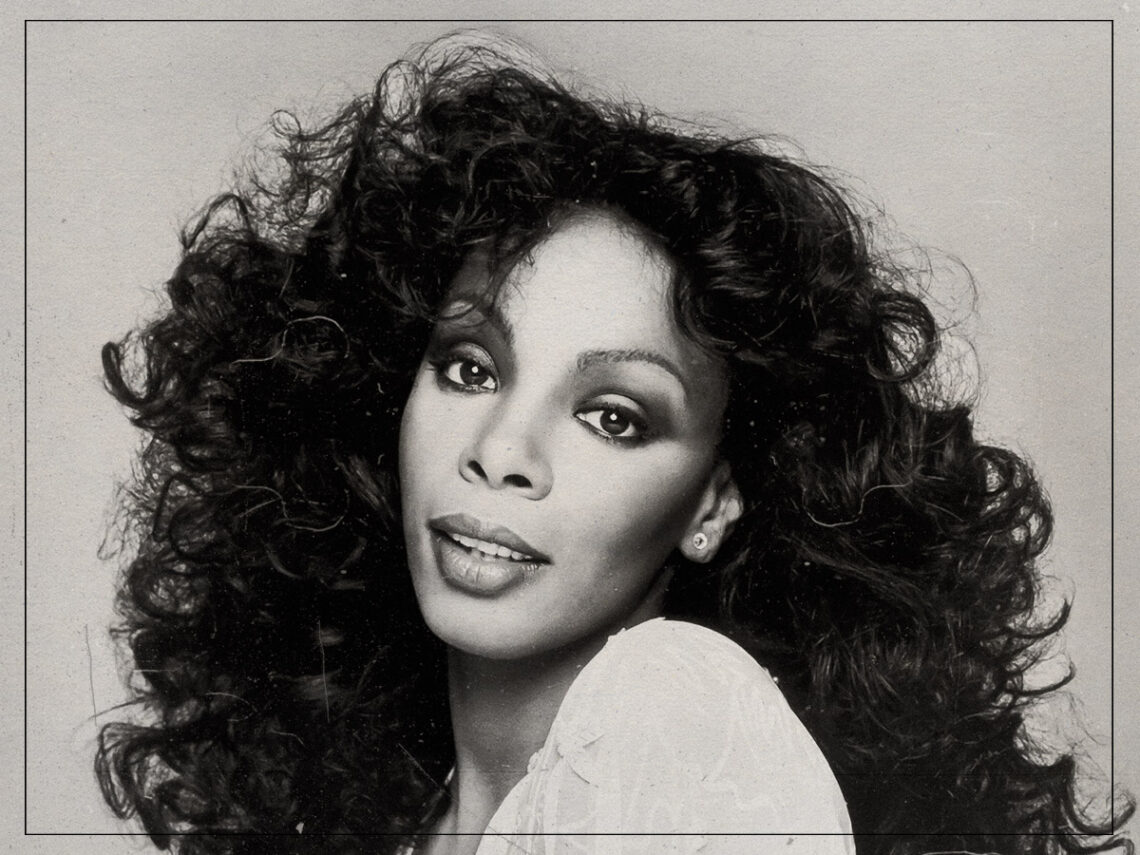
The tragic tale that caused Donna Summer to flee Boston

Looking through my camera roll recently, I found a borderline cringeworthy photo of me arm in arm with a man old enough to be my dad, wearing a T-shirt saying, “Disco isn’t dead”. I can’t remember if I was satirising or admiring him, all I know is, I didn’t look as cool as I thought I was. I was a far cry from the slick, flared-trouser wearing folk who danced to Donna Summer on the Studio 54 dancefloor.
In the mid-1970s, that iconic venue became a hotbed for liberated expression. A safe haven in an otherwise economically and societally ravaged New York, a place where optimistic and upbeat music could be celebrated without judgment and those with more liberal leanings could enjoy it without fear. Of all the “scenes” we revere in the history books of music, this was undoubtedly one of the most iconic. A moment in time that nearly half a century on is yet to be matched, with memories of Studio 54 going a long way to proving that the best days of dancefloor bliss are truly behind us.
While the likes of Chic and Sister Sledge all had their part to play in this cultural moment, the truth is, Donna Summer was the Queen of New York disco. Her fellow disco comrade Nile Rodgers described her greatness in simple terms, stating, “Donna was what I would call a soul sister. She was sophisticated, she had great taste, she was beautiful, she was cool, and she could sing her ass off. She had this thing … a swagger, that’s what it was.”
Together, those traits made her the epitome of New York disco. The confident and alluring package hid a slick and captivating talent that made everything in her orbit feel good about itself. But that characteristic developed over time, through a refusal to be counted out, to playing shows when promoters didn’t want her and to understanding the dangers that lurked in the subcultural pockets of American cities.
Because before she dominated the bright lights of New York, she cut her teeth as a musician in Boston. She attended auditions and open mic callings in the city’s seedy network of underground clubs, and on one particular occasion, saw an elderly woman being brutally attacked by a gang of young men. When the woman was left barely breathing, Summer nobly performed CPR on her before she was taken away to the hospital, where she eventually died.
She was astute enough to know that these violent incidents were symptomatic of a broken America at that point, but felt morally obliged to report the incident. As the trial progressed, she was later called to testify in court, ultimately providing the final hammer blow for the brutal gang, who were then sentenced to prison.
Summer was then hounded by their friends, who threatened her with violence of their own for her part to play in their imprisonment. Summer was merely a high school student at the time, and such was the intensity of the threats that she was forced to leave school three weeks before graduation and make a premature trip to New York. While the Big Apple was always Summer’s final destination, it came months ahead of her planned schedule.
Through fear and intimidation, she was forced to pursue her dream career at such an embryonic stage, but her subsequent conquering of America’s biggest city was perhaps the greatest repayment she could provide to the lady who could sadly not be saved by her valiant efforts.
