


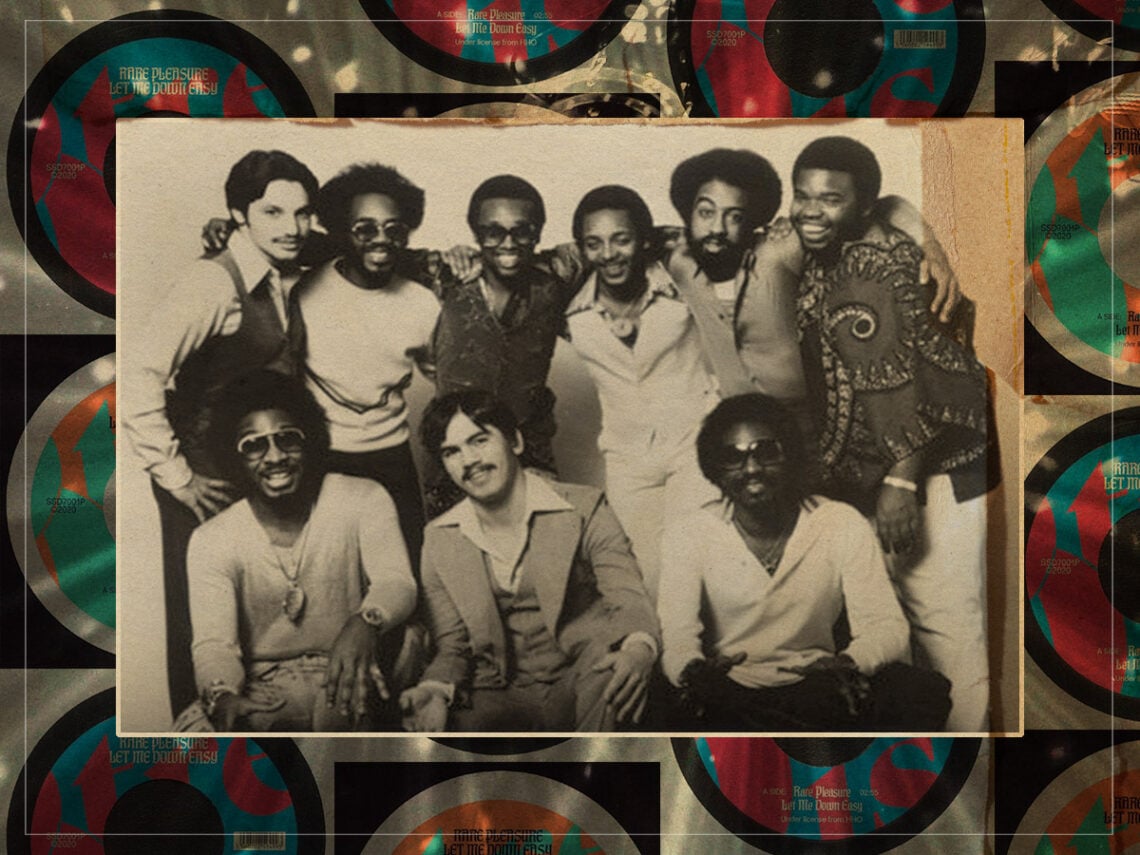
Rare Pleasure: the forgotten titans of New York City disco

New York has given the world a lot, from the world’s first pneumatic railway to the humble hot dog. There must be something in those steam vents and concrete streets that naturally inspires innovation. One of the biggest cultural exports of the ‘Big Apple’, going back over a century, has been its incredible and ever-expanding music scene. Jazz, funk, hip-hop, and punk all have strong roots in the communities of New York’s five boroughs, but one of its most iconic musical exports has been the disco movement, which blossomed in NYC back in the 1970s.
For those of you who haven’t seen Taxi Driver, New York City was a vastly different place back in the 1970s in comparison to the modern day. Peep shows, litter, and junkies littered the streets of Manhattan, and it was generally quite a depressing place to be. However, the abundance of cheap – or free, if you fancied squatting – accommodation, and youthful population inspired the emergence of multiple innovative artistic and musical movements. The two key scenes emerging from places like the East Village during the 1970s were punk rock and disco.
Disco emerged from underground nightclubs and the city’s queer community, but it was soon adopted by the mainstream in a way that punk rock never could be. The defiant euphoria of the movement, influenced by earlier scenes of funk and soul, proved to have a kind of universal power that soon spread to dancefloors across the globe. Still, New York City remained a rich breeding ground for exciting and experimental disco groups, and Rare Pleasure were among the most infectious.
Formed during the mid-1970s, just as disco was beginning to emerge from New York’s underground scene, Rare Pleasure took essential cues from the landscape of funk and soul, expertly bridging the gap between the mainstream appeal of old-school soul and the exciting emergence of disco. Although the exact origins of the group are not widely known, the band released their first single in 1976, titled ‘Let Me Down Easy’.
That single boasted considerable soul prowess, featuring production and songwriting work from David Jordan, who had cut his teeth as a house songwriter and producer for the legendary Stax Records. Along with Andrew Smith, of Funk Brothers fame, Jordan carved out the disco mastery of ‘Let Me Down Easy’, and the fruits of his labour were truly incredible.
With a commanding groove and an endlessly replayable appeal, ‘Let Me Down Easy’ became a major hit in the underground disco scene of New York City, capturing the zeitgeist of the era, just before disco fully broke into the mainstream. That timeless piano riff, those wailing horns, and the songwriting talents of Smith and Jordan helped to make ‘Let Me Down Easy’ a bona fide anthem of the disco age, but it was the track’s vocals which held much of its appeal.
Jordan had recruited a teenage vocalist by the name of Sandy Barber to sing lead on the Rare Pleasure track, after the young singer won a talent night at Harlem’s Apollo Theatre. Her powerful performance was essential in establishing Rare Pleasures as a force to be reckoned with within the disco age, but the group struggled to maintain the early interest that their debut single brought them.
A follow-up single, ‘Superfine Feeling’, was recorded in 1977, but only ever made it onto an acetate master and was never available for mainstream audiences. In fact, it was only in 2021 that the track was finally reissued on 12” vinyl by A’s & Bee’s, and on 7” by Ramrock Retro. Needless to say, therefore, that Rare Pleasure quickly drifted into obscurity following the release of ‘Let Me Down Easy’.
Despite the band’s failure to follow up on the success of their debut, ‘Let Me Down Easy’ remains a perfect representation of the early disco scene and its infectious appeal. What’s more, vocalist Sandy Barber ended up becoming a sought-after singer in the world of dance music during the 1990s, lending her voice to a multitude of legendary house music tracks, thus bridging the gap between disco and house as adeptly as she had connected soul and disco back in the 1970s.
