


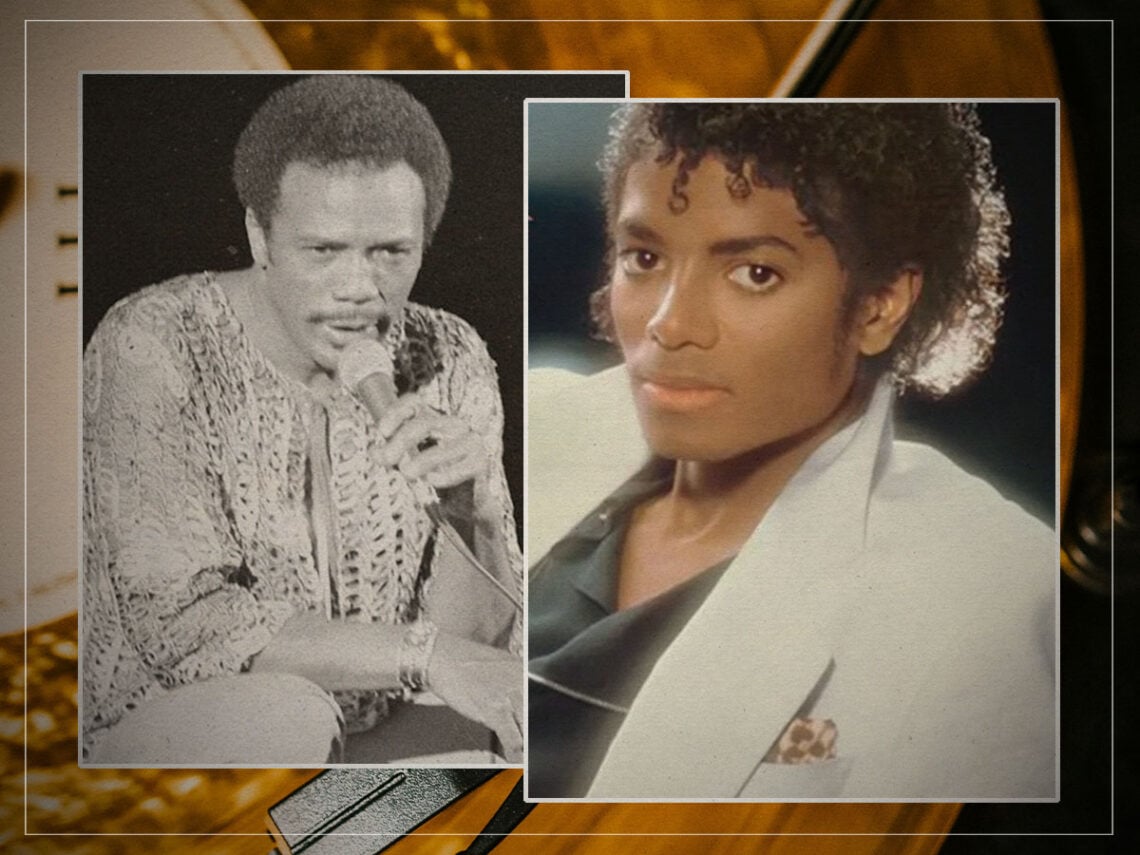
The undulating tension between Quincy Jones and “Machiavellian” Michael Jackson

Regardless of any other contributing factors, Michael Jackson‘s impact is indisputable. For four decades, he preached the art of togetherness while forever influencing the landscape with new standards of pop sensibilities and a refreshed take on the position of the entertainer. Jackson’s reputation might have become tarnished in more ways than one, but his presence continues to touch almost every corner.
Through it all, one figure who seemed like a constant presence was Quincy Jones. For better or worse, Jones knew the exact type of star he wanted to shape by the time he came to collaborate on Off The Wall, having accrued a long list of credentials with defining figures beginning in the 1950s. By this point, Jones’ main game was authenticity, thanks to a piece of advice he received from Nadia Boulanger in 1957.
“Your music will never be more or less than you are a human being,” she had told him, which had encouraged him to focus on what he had to offer deep down and bring that approach to every project he worked on. With Jackson, Quincy knew that remaining true during the writing and recording process would be all they ever needed to make it work, and they did, revolutionising the scene with complete originality. Well, in their own way.
Despite Jones’ initial backing, he later reflected on Jackson and his legacy with far less adoration, likely tainted by his fight in 2017 against the estate to gain back unpaid royalties. Around a year later, Jones ruthlessly accused the singer of copying and “stealing” ideas from others when asked whether there was something people didn’t know or understand about him. “I hate to get into this publicly, but Michael stole a lot of stuff,” he told Vulture.
“He stole a lot of songs,” he continued. “[Donna Summer’s] ‘State of Independence’ and ‘Billie Jean’. The notes don’t lie, man. He was as Machiavellian as they come.” When asked to explain what he meant, he added: “Greedy, man. Greedy.” He also claimed that studio keyboardist Greg Phillinganes “wrote the c section” for ‘Don’t Stop ’Til You Get Enough’, but Jackson refused to give credit or a percentage of the sales.
Of course, with two sides to every story, it’s anyone’s guess whether these statements are true or came from a place of bitterness after being disrespected and disregarded by the estate after the release of This Is It. At the same time, it’s difficult to give credence to any accusations of unoriginality when, considering the landscape at the time—or any era, for that matter—repurposing others’ work isn’t exactly a criminal offence.
In fact, it’s an approach most take when establishing greater artistry. For Jackson, drawing from multiple genres, cultures, and eras was his best game, and he rarely shied away from that fact. Thus, perhaps Jones’ gripe was more about how Jackson handled internal contributions from others, neglecting to give credit where it’s due, and hoarding it all to himself under the pretence of being the sole curator of his legacy.
