


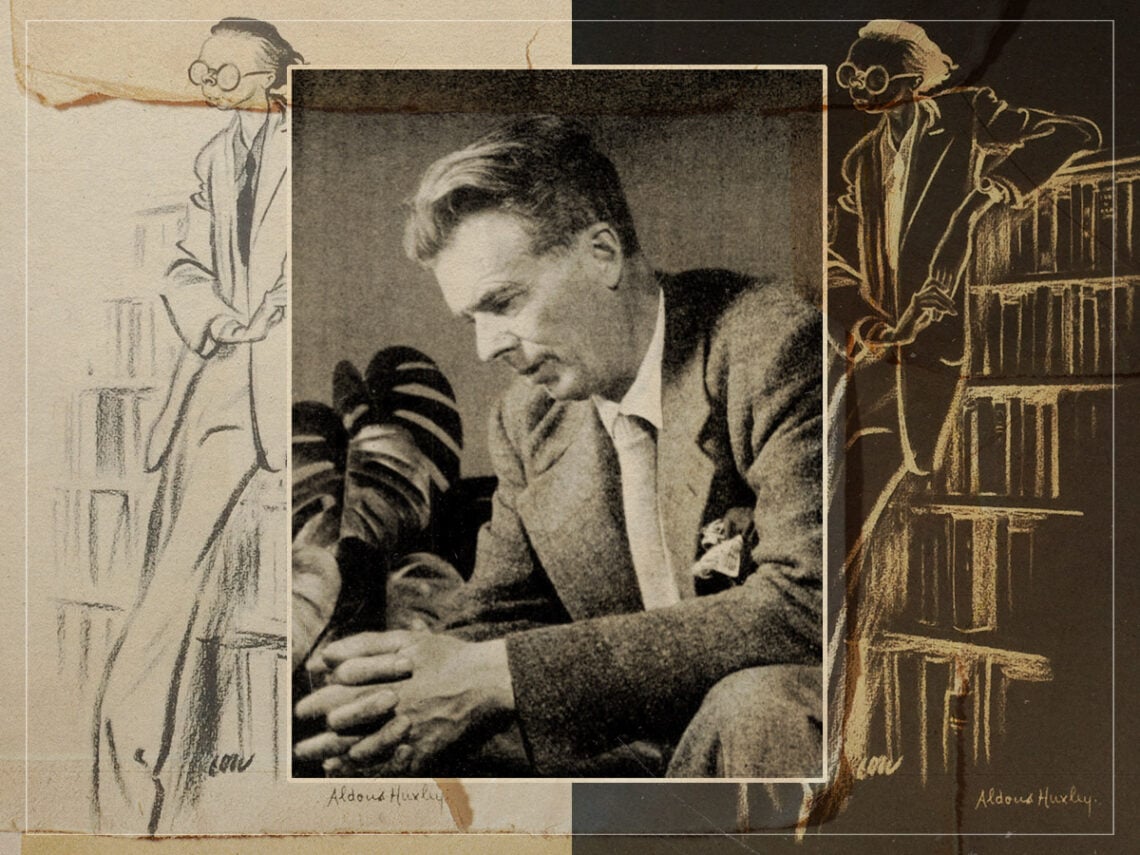
The strange but “beautiful” tale of Aldous Huxley’s LSD-assisted death

Nearly 100 years before Apple TV brought us the very fun conceit of Vince Gilligan’s new sci-fi series Pluribus, an arguably even more esteemed fellow named Aldous Huxley wrote a similar story called Brave New World; a challenging dystopian novel in which the world has seemingly become a more advanced, united, and happier place, but at the notable expense of the individual human spirit.
One of the key plot points of Brave New World is the proliferation of the drug “soma” as the central means of keeping the general populace in a state of non-rebellious contentment. This was a not-so-subtle warning about what Huxley then perceived as the potential dangers of a drug-dependent society.
As he got older, however, Huxley famously became increasingly open-minded to the potential benefits of certain types of drug use and experimentation. This culminated in the publication of his 1954 book The Doors of Perception, a groundbreaking examination of his own psychedelic experiences taking mescaline.
Along with inspiring the name of Jim Morrison’s band a decade later, The Doors of Perception found Huxley drawing parallels between a psychedelic trip and a “mystical” experience in the more old-fashioned religious sense of the word.
In an essay written a few years later, titled ‘Drugs That Shape Men’s Minds’, Huxley wrote: “When administered in the right kind of psychological environment, these chemical mind changers make possible a genuine religious experience. Thus a person who takes LSD or mescaline may suddenly understand—not only intellectually but organically, experientially—the meaning of such tremendous religious affirmations as ‘God is love’ or ‘Though He slay me, yet will I trust in Him.’”
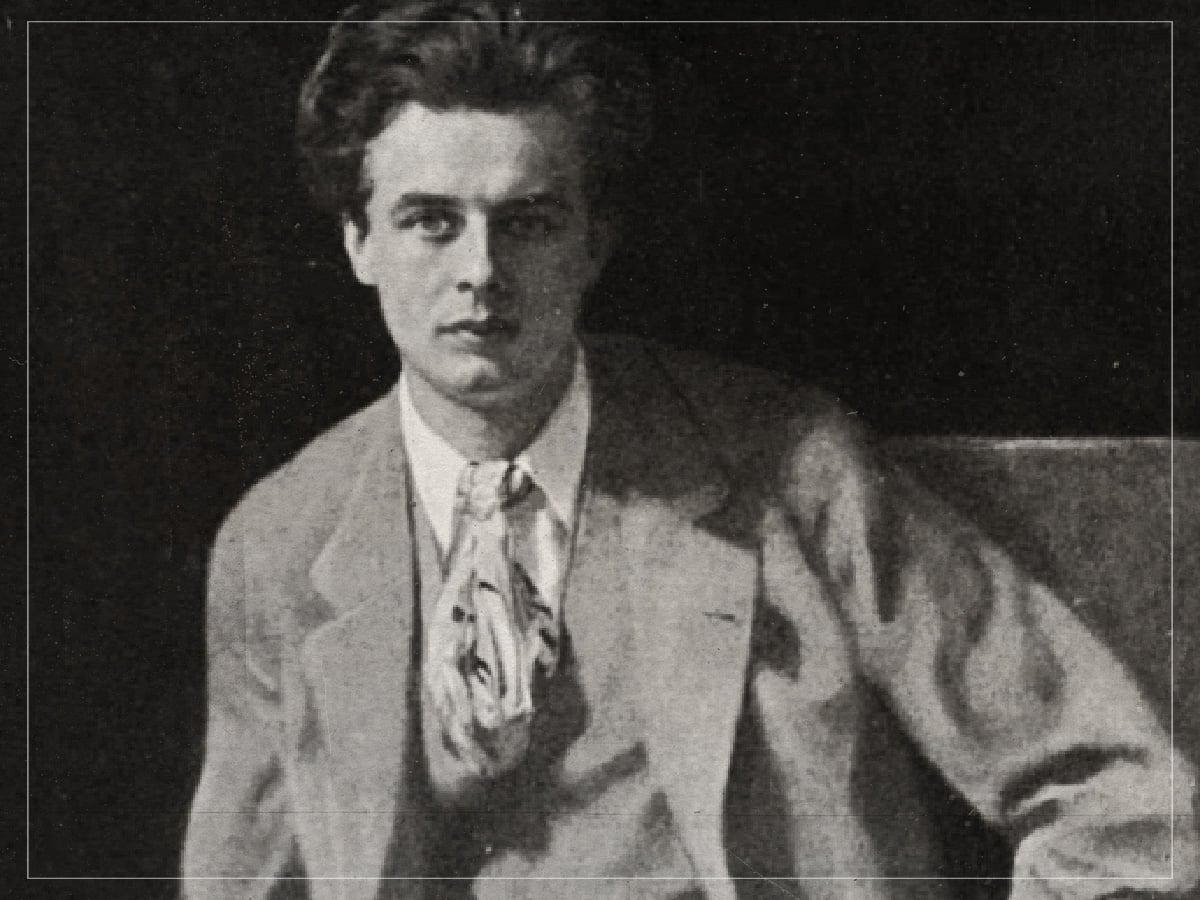
Huxley did add that “it goes without saying that this kind of temporary self-transcendence is no guarantee of permanent enlightenment,” but that it nonetheless could be “enormously helpful to those who have received it”.
In 1960, when Huxley was diagnosed with oral cancer, any potential concerns about the health risks of psychedelic drug use became less relevant, and by the time he reached his final hours in late November 1963, the 69-year-old author requested that his wife, Laura, give him a substantial dose of LSD to help his transition out of this existence.
It must have been an extremely difficult few hours for Laura Archera Huxley, but as she later described it in a documentary interview, the hallucinogens helped her husband through the process so that “there was absolutely no jolt, no agitation. Nothing except this very quiet, like a music that becomes less and less audible. Like fading away. There was a beautiful expression in the face.”
In a letter Laura Huxley wrote to Aldous’s brother Julian just weeks after the “beautiful” LSD-assisted death, she already seemed pleased that it had been the right decision, and that, in fact, it had served as a proper “conclusion, better, a continuation of his own work, and therefore it has importance for people in general. . . . Both doctors and nurse said they had never seen a person in similar physical condition going off so completely without pain and without struggle.”
Unfortunately, the death of Aldous Huxley and that of his fellow literary great C S Lewis on the same day were significantly overshadowed in the news around the world by the assassination of President John F Kennedy, which also took place on the same day: November 22nd, 1963.
As such, news of Huxley’s demise – and the unusual methods he’d adopted for the moment – were little known to the wider world. Within three years, LSD would be illegal in the US, with the UK following suit in 1971.
