


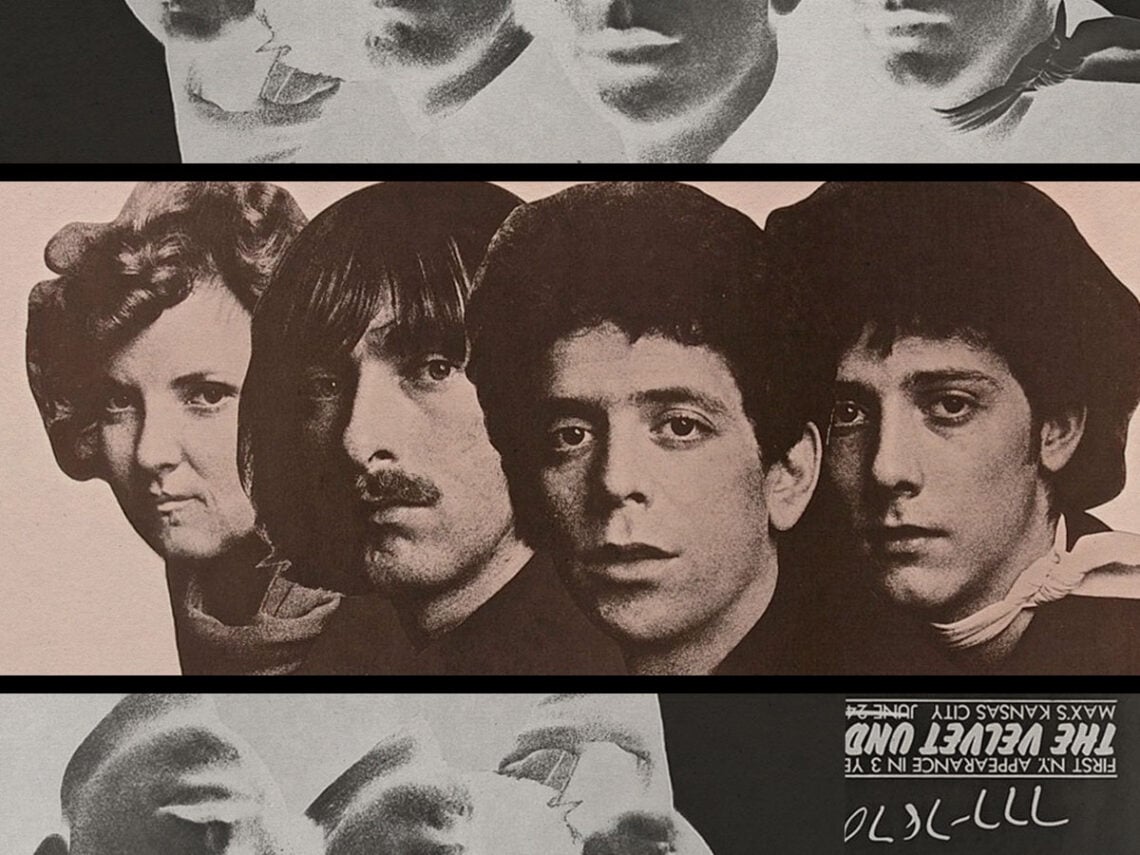
The story of ‘After Hours’: The Velvet Underground’s tenderest moment

Saying that The Velvet Underground were eclectic doesn’t feel good enough. Across their discography, they weren’t just trying different things, but they were straight-up morphing into different bands.
If you listened blind, with no knowledge at all of the group, you’d think ‘Femme Fatale’ and ‘Rock and Roll Music’ came from two different acts, and some of that can simply be chalked up to lineup changes and additions. When Andy Warhol added Nico to the group for their debut, that was obviously going to switch things up from the band they were when they were first getting noticed around New York. Later on, when John Cale left, it changed again, and when leader Lou Reed left in 1970, it was all different thereafter.
But beyond the actual personnel, the variety of The Velvet Underground can simply be put down to the insane breadth and variety of their influences. For Reed especially, the artist was just as into strange sonic landscapes as he was classic rock and roll, comfortable hanging out with the likes of David Bowie and the pop crowd as he was in the art world, and that eclecticism in his personality was reflected back into his work.
Clearly, they were a group that wanted to morph freely, but when it comes to a track like ‘After Hours’, it is so different that it’s almost hard to align it with the group. I’m sure that the first few times I heard this 1969 song, if I hadn’t known, I wouldn’t have realised at all that it was from The Velvet Underground. The little ditty somehow sounds so modern that it would be easily mistaken for a 2000s or early 2010s tune made for the soundtrack of some twee indie movie.
It sounds like something Zooey Deschanel would sing, or Belle and Sebastian, and it certainly doesn’t sound like anything else on the group’s self-titled record that also houses ‘Beginning to See the Light’ and ‘What Goes On’. However, that sweetness of the track is exactly why it sounds so different.
After writing the tune about a timid outsider looking in on a party, wishing they could join in, Reed tried to sing his own song like he usually would, but he quickly said the track was “so innocent and pure” that he couldn’t make it work with his own, gruffer voice. It needed a softer touch, and so for the first time, they looked towards their drummer, Moe Tucker.
Tucker had joined in with vocals on a few tracks, like ‘The Murder Mystery’, but this was the first time she’d ever sung lead. Again, that’s what Reed wanted; he wanted her nervousness and uncertainty to come through, matching the story of the song.
“I was very, very nervous,” Tucker recalled to Rolling Stone, perfectly suited. Too shy to even sing it in front of the band, she said, “I wound up making everybody leave except for Lou, ’cause he was playing guitar with me, and the engineer. It took quite a few takes for me to be calmed down enough to do it OK.”
“I was surprised that it was decent,” she said of the track, but it’s far more than decent. Though it stands out as an oddball in their body of work, ‘After Hours’ upholds its appeal and emotion, still sounding resonant and relatable today.
