


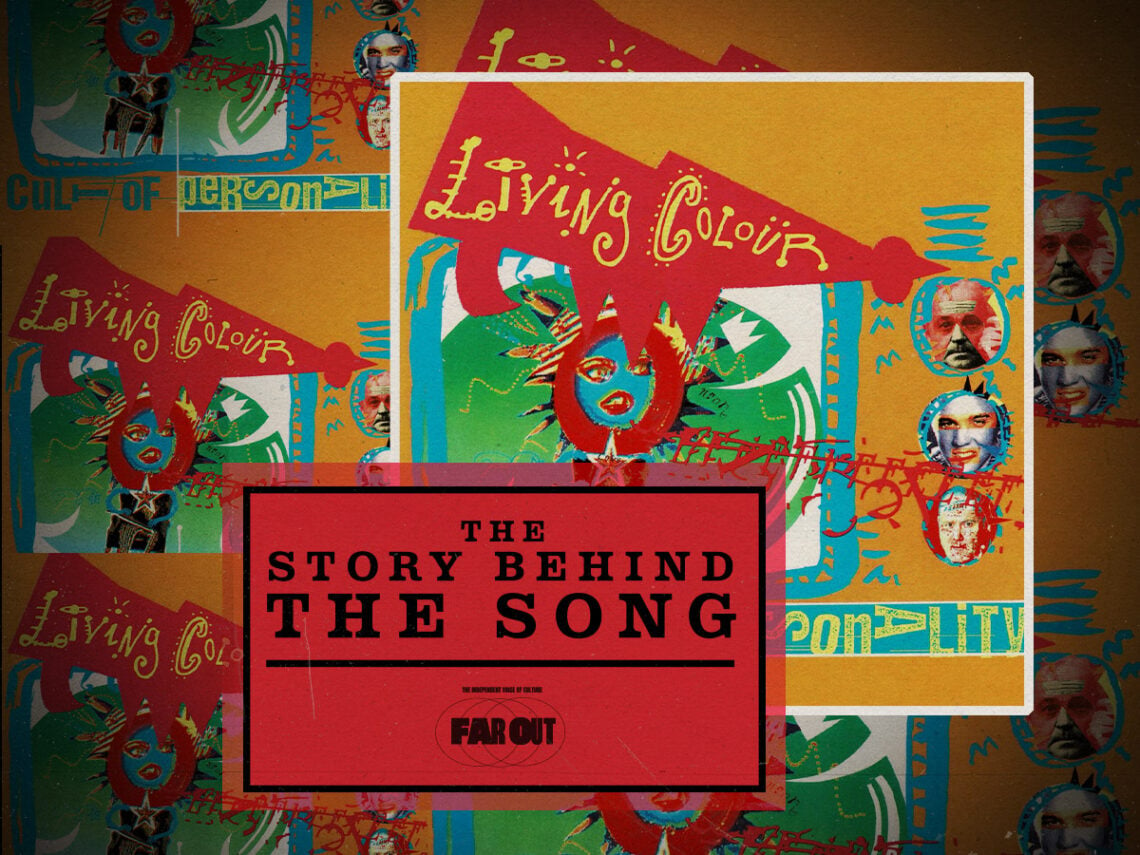
The Story Behind The Song: Living Colour’s 1988 ‘Cult of Personality’

Nearly 25 years after it first shot New York’s Living Colour to fame in the summer of 1988, the amp-shaking social commentary of ‘Cult of Personality’ was suddenly back in the zeitgeist in 2011, adopted as the entrance music for one of pro wrestling‘s rising stars, the highly opinionated, fourth-wall-breaking heel known as CM Punk.
There is no grand history of politically-minded music finding its way into the arena-ready playlists of the WWE. Using any pre-existing, recognisable rock songs, in fact, was generally avoided for many years, in an effort to escape licensing fees (the WWE, for all its massive financial success, has always been cheap at its core). In this case, though, the wrestler himself campaigned aggressively for his own theme song preference, as Punk had used ‘Cult of Personality’ at previous companies, and felt like no other approximation of that anthem would suit him as his stock continued to rise.
One might presume that CM Punk, the straight-edge, square-jawed Chicagoan, had gravitated to the Living Colour song because of its lyrical connections to his own in-ring persona: a self-serving but charismatic egomaniac with a great skill for speaking extemporaneously on the microphone (AKA, “dropping pipe bombs”), often chiding and insulting the crowd while they cheered him on. As the song goes, “I exploit you, still you love me / I tell you one and one makes three”.
As it turns out, though, Punk’s appreciation for ‘Cult of Personality’ went back way before his wrestling career, and probably well before he even understood its fairly heavy lyrical concepts. In 1989, when the track was still getting regular play on rock radio and MTV, Punk, then an 11-year-old kid named Phil Brooks, remembered it becoming the official song of his Little League baseball team, fueling them to exploits beyond the Bad News Bears. It was that epic Vernon Reid guitar riff, more so than the warnings about two-faced political leaders, that struck a chord with those kids.
As Punk explained in a Twitter post in 2020, his childhood memories of getting amped from the song inspired him to bring it back during his time with Ring of Honor wrestling, and in 2011, when his growing popularity in WWE gave him contractual leverage for the first time, he demanded that the company pay for the rights to ‘Cult of Personality’ in the terms of his deal.
“It’s been a crazy life,” Punk wrote in a reply to the Living Colour band account, “thanks for helping with the soundtrack!!!”
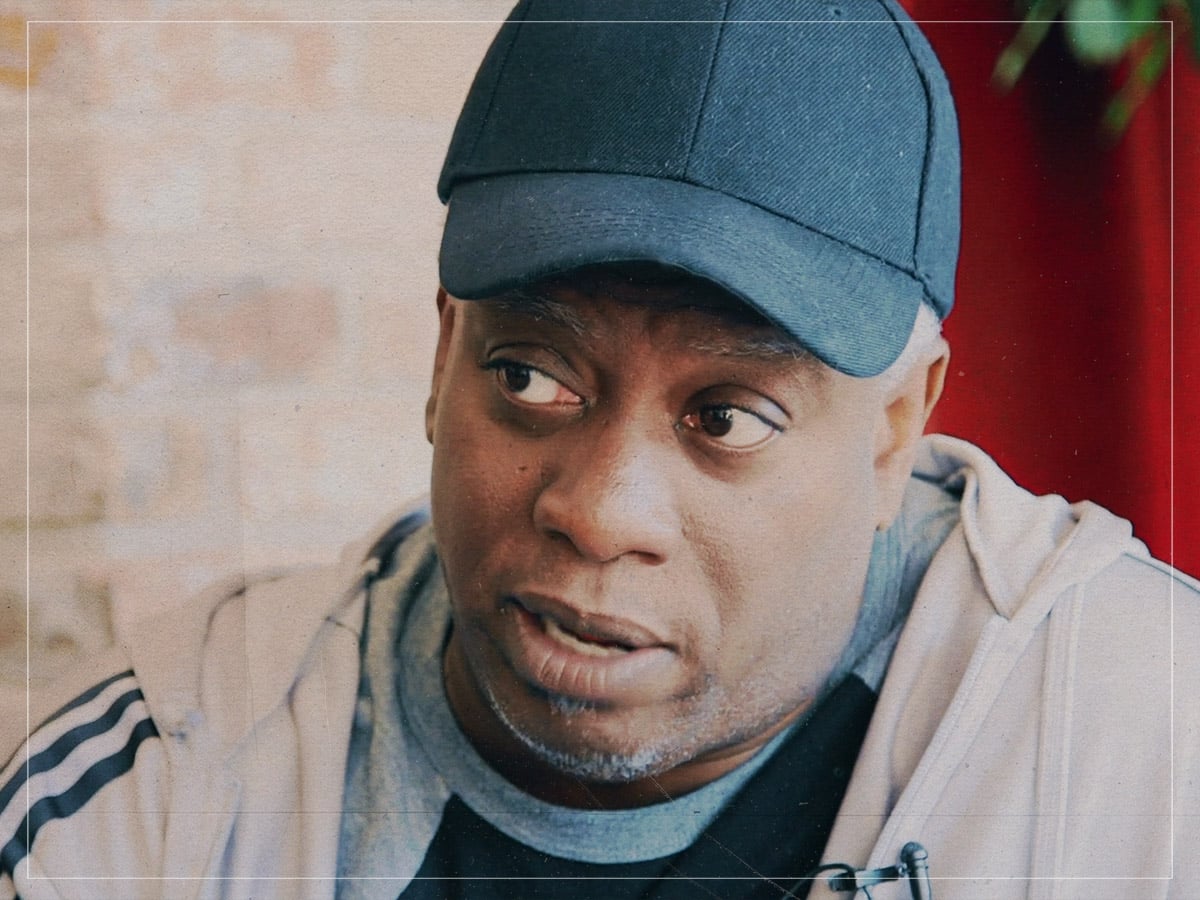
“WWE usually doesn’t use outside music,” Living Colour singer Corey Glover reiterated to Lehigh Valley Live in 2013, “It was a very rare occasion. [CM Punk] called our reps to see if he could use the music. It was in the right place and time, that’s for sure.”
The unexpected, mutually beneficial connection between band and wrestler culminated in Living Colour performing ‘Cult of Personality’ live at Wrestlemania 29, and again at Wrestlemania 41. This helped introduce the pioneering African American hard rock band to a much younger generation, one that had missed out on their initial late ‘80s breakthrough. But were they getting the message?
‘Cult of Personality’ was by far the biggest hit of Living Colour’s career, reaching number 13 on the US Billboard singles chart and number 67 in the UK. Depending on your definition, the band could be described as a ‘one hit wonder’, as they never again matched the impact of that initial introduction. The path they carved for others, however, and the legacy they’re still building, make any chart analysis feel a bit secondary to the point.
Not only did Living Colour help elevate the discourse above the usual lazy, misogynistic subject matter of both hair metal and plenty of hip hop at the time, but they also blew up the monotonous train of same-looking, Anglo-Caucasian guitar bands dominating every barroom and basement club in America.
“While I think that ‘Cult of Personality’ is a lyrically brilliant song,” Rage Against the Machine guitarist Tom Morello told the Line of Best Fit in 2021, “and it’s great that a song with lyrics like that became a staple of MTV, I chose it [as one of my favourite tracks] because it smashed the racial barrier on rock radio. Until Living Colour, the only African American touchstone on rock and roll radio was Jimi Hendrix. As a Black person who played electric guitar, I lived under the ghost of Jimi… After Living Colour, that stigma was gone. It paved the way for a group like Rage Against the Machine or a group like Soundgarden, bands that had people of colour in their midst. Until then, there was a real apartheid-like segregation on rock and roll radio.”
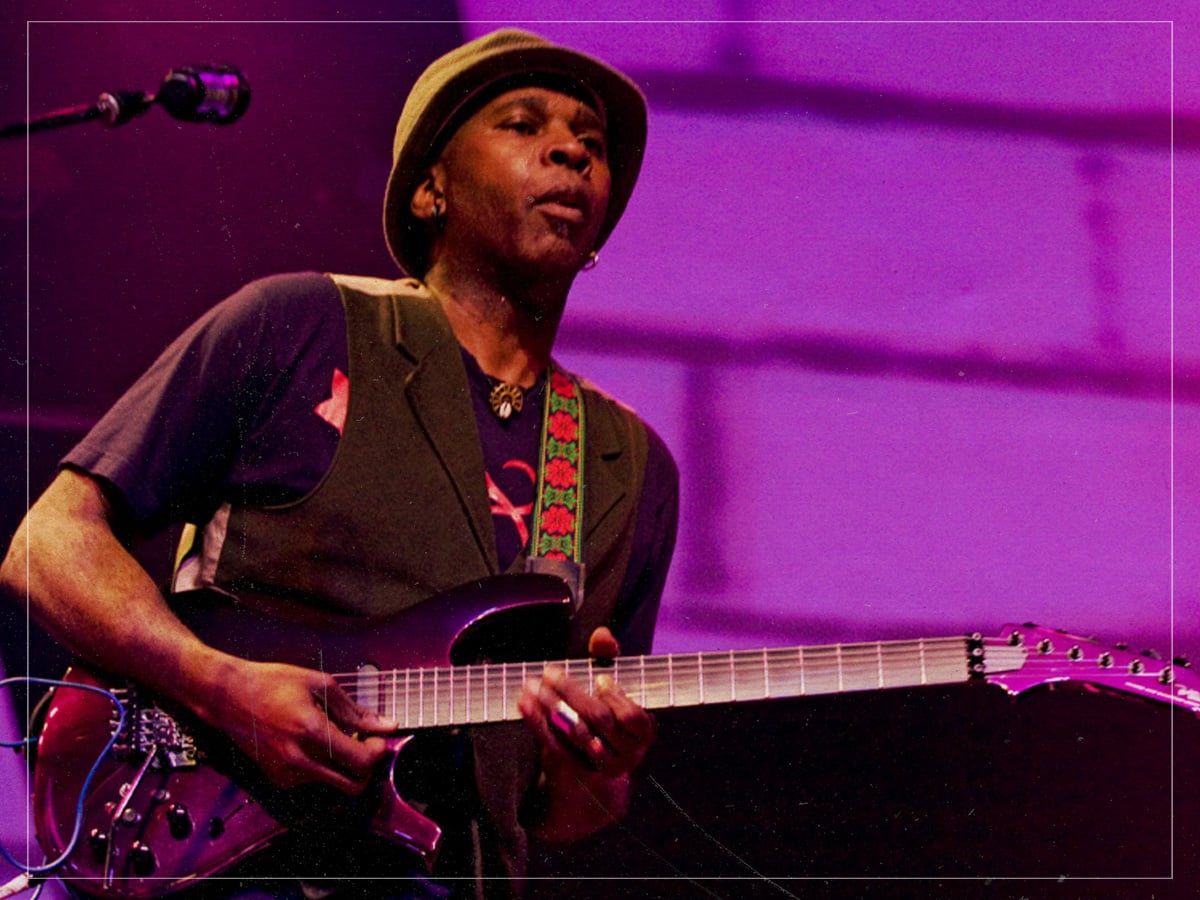
Listening to Vernon Reid’s incredible wah-wah guitar solo on ‘Cult’, it’s also easy to see that Morello was taking lessons from the technical side of things on this track, as well.
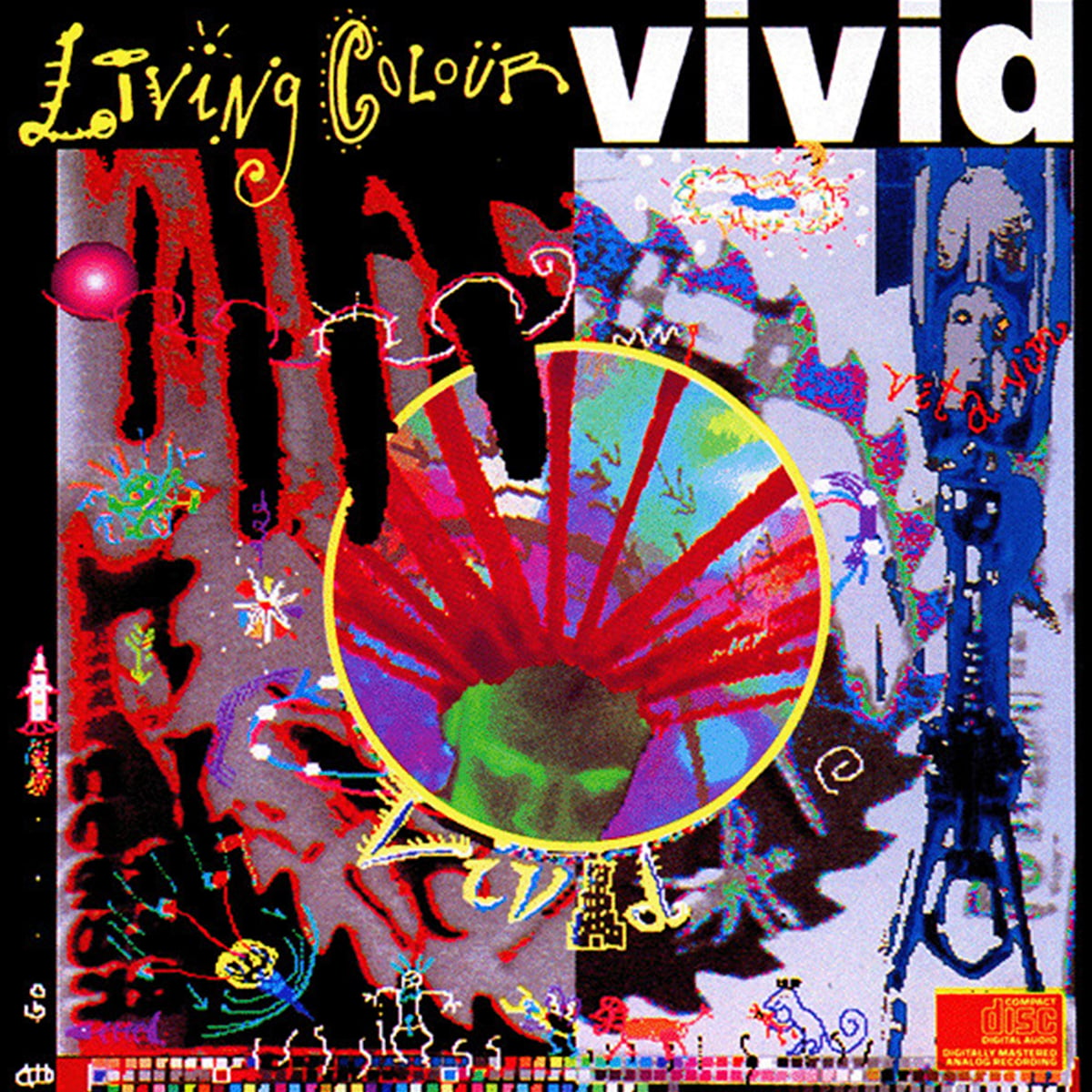
Across nearly four decades now, including an extended hiatus in the late ‘90s, the members of Living Colour have never seemed to mind the oversized place that ‘Cult of Personality’ holds in their catalogue, which includes six studio albums in total, incorporating wide-reaching elements of funk, metal, jazz, soul, hip hop, and everything in between. Rather than feeling pigeonholed by the song’s seemingly endless shelf-life, they appreciate how fortunate they were to write and record it so early in their career: the opening track on their debut album, Vivid.
“Songs have a life of their own,” Vernon Reid told the Grand Rapids Press in 2013, noting that all of the key elements of the track, including the lyrical idea, organically came together during a single rehearsal, “We’re only the delivery mechanism for the story.
“‘Cult of Personality’ is like a miracle,” Reid continued, “I don’t mean that in any religious sense. We got out of the way of this thing. When Khrushchev said Stalin created a ‘cult of personality’, it was a politician spouting absolute poetry. It was a rare, rare thing on the world stage. That phrase was so absolutely on point: three words that said everything you needed to know about, ‘How did this happen?’ It’s not just pejorative. It’s universal.”
A less interesting political song would have merely taken aim at the obvious ‘baddies’ from history, the cult figures with clearly evil intentions: Stalin, Mussolini, and the ilk. But Reid and Glover cooked up something far more thought-provoking, pairing up references to those villains with mentions of more favourably remembered political heroes like John F Kennedy and Gandhi. Before the incredible opening riff even kicks in, we hear a clip of a speech delivered by Malcom X: “And during the few moments that we have left, we wanna talk right down to Earth, in a language that everybody here can easily understand”.
The song’s critique is really about the power of charisma and magnetism, whether used for good or evil; how the masses, throughout history, have proven themselves disturbingly susceptible to a brash talker, be it an evangelist, a genuine revolutionary, or a pro wrestler. Rather than looking for answers within ourselves, many of us would much prefer that somebody else swoop down and show us the way.
“’Cult of Personality’ was about celebrity,” Reid said, “but on a political level. It asked what made us follow these individuals who were larger than life yet still human beings”.
Needless to say, much like the 2006 film Idiocracy, interest in the ideas behind ‘Cult of Personality’ have only grown in the Donald Trump era, as America, which had already elected a movie star to the presidency (Ronald Reagan) and both an action hero (Arnold Schwarzenegger) and ex-WWE wrestler (Jesse Ventura) as state governors, now faces arguably the biggest cult leader problem in its history.
“You gave me fortune, you gave me fame,” Glover sings, “You gave me power in your god’s name / I’m every person you need to be / Oh I’m the cult of personality”.
Reid certainly agrees that Trump would fit in easily as one of the characters in the song.
“There’s the question of Trump and why people are in his thrall,” Reid told Popmatters in 2023, “He’s giving them something, and part of it is that smirk, the ‘says you’ aspect. He catalyses it. He embodies it. It’s also tied to various iconographies and archetypes. That was my fascination in those lyrics.”
Reid thinks the cult of personality has many new, less obvious outlets in the social media age, however, as the old influence avenues of television and newspapers give way to a Wild West where anyone can build their own flock.
“There are people who are followed by a million people, and you do not know who they are,” Reid said in 2023, “The musicians, theorists, and thinkers who are being followed; this is completely outside of media as we knew it, the nine channels or 11 channels. There are YouTube stars. It’s completely out of control. The same thing Warhol was talking about [’15 minutes of fame’], but Warhol could not have imagined it. Orwell spoke of Big Brother, and all the boomer politicians are still talking about Big Brother, but not one of them is thinking about the little sister who’s pissed, the little sisters and brothers who are trolling.”
