



One and done: The 10 biggest one-hit wonders in pop music history

As a music journalist, I often feel confident that my finger is somewhere near the cultural pulse. Listening, interviewing and analysing provide a healthy trio of understanding in this regard, and the oncoming trends of culture often feel like swell charts that can be assessed and surfed when they come in.
But then, out of nowhere, tsunamis appear on the horizon. One-hit wonders that crash onto the shore, ripping up everything in the established order and leaving me and countless others, drenched from head to toe and dripping in the realisation that, really, we know nothing at all.
Because these one-hit wonders seem to appear without rhyme or reason. Moreover, they seem to galvanise the public in a way our much-loved and pre-assessed music can’t. The one-hit wonder will be gleefully played in the primary school disco just as often as it will at the wedding reception, bringing a broken society together under the guise of some sort of musical infection.
The more powerful it is in that regard, the more likely we are never to see the artist again. They’ve either packed up their instruments and headed home, safe in the knowledge that they’ve just penned a financial security blanket that will keep them warm for the rest of their lives. Or they are still in the studio, to this day, driving themselves crazy in a bid to write the follow-up.
Either way, the one-hit wonder is a cultural staple that we will truly never be able to explain. There will be plenty more in the years to come, songs that strike through culture like a lightning rod and then disappear into the ether, joining this pantheon of historic one-hit wonders that we still raise questions over.
The 10 biggest one-hit wonders in pop music:
The New Radicals – ‘You Get What You Give’
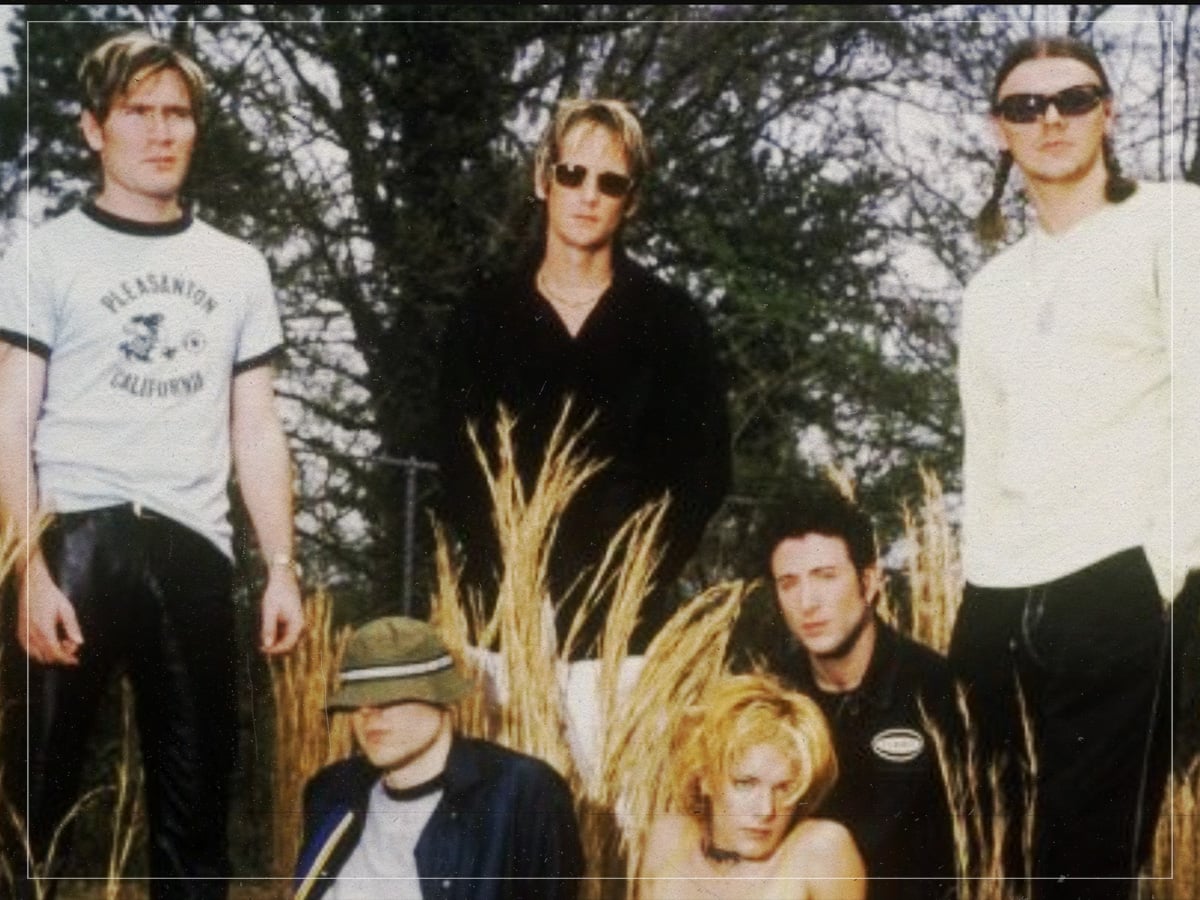
The New Radicals may be in luck yet, as indie revivers Geese recently covered this song and thrust it back into the modern zeitgeist. Suddenly, Cameron Winter’s adoring fans are playing their version on repeat, ruminating over what a genius cover choice it was and how the original is one of the truly great alternative tracks of the 1990s.
But before the indie saviours got their hands on it and made it a cult classic, the band were solely in the business of making a one-hit wonder to secure their future. The band’s writer Gregg Alexander conceded, “I enjoy watching it climb up the chart… I’m ready to be carted around like a piece of meat. You have to cut a deal with the machine and be thrown to the wolves”.
Natalie Imbruglia – ‘Torn’

After releasing ‘Torn’ in 1997, Imbruglia’s finest artistic moment came six years later, when she starred opposite Rowan Atkinson in Johnny English. OK, maybe that is a little harsh, considering she had something of a music career in between that, but really, it never got as notable as it did on that 1997 track.
Maybe it was because of how long the song waited until it became a public hit. The song’s writer, Phil Thornalley, actually wrote it in the back end of the ‘80s and went through rounds and rounds of rejections before it landed in Imbruglia’s lap. She performed it and made it her own, but was ultimately cursed by its long-awaited exposure and never made a musical dent quite like it thereafter.
Wheatus – ‘Teenage Dirtbag’

Wheatus’ soppy teenage indie hit taps into that feeling we all want to be true. That somewhere within us lies an underdog who, at the opportune moment, can overcome any of the societal hurdles placed in front of us and become the hero. The sing-along moment this song provided captured that atmosphere and became the soundtrack to any modern David vs Goliath storylines.
But in the three-minute runtime of ‘Teenage Dirtbag’, Wheatus were no longer the Davids they hoped to portray. A cover of Erasure’s ‘A Little Respect’ got them to the number three spot, but their third single, a double A-side of ‘Leroy’ and ‘Wannabe Gangstar’, started their steady decline and saw them become a band remembered for just one song only.
Vanessa Carlton – ‘A Thousand Miles’
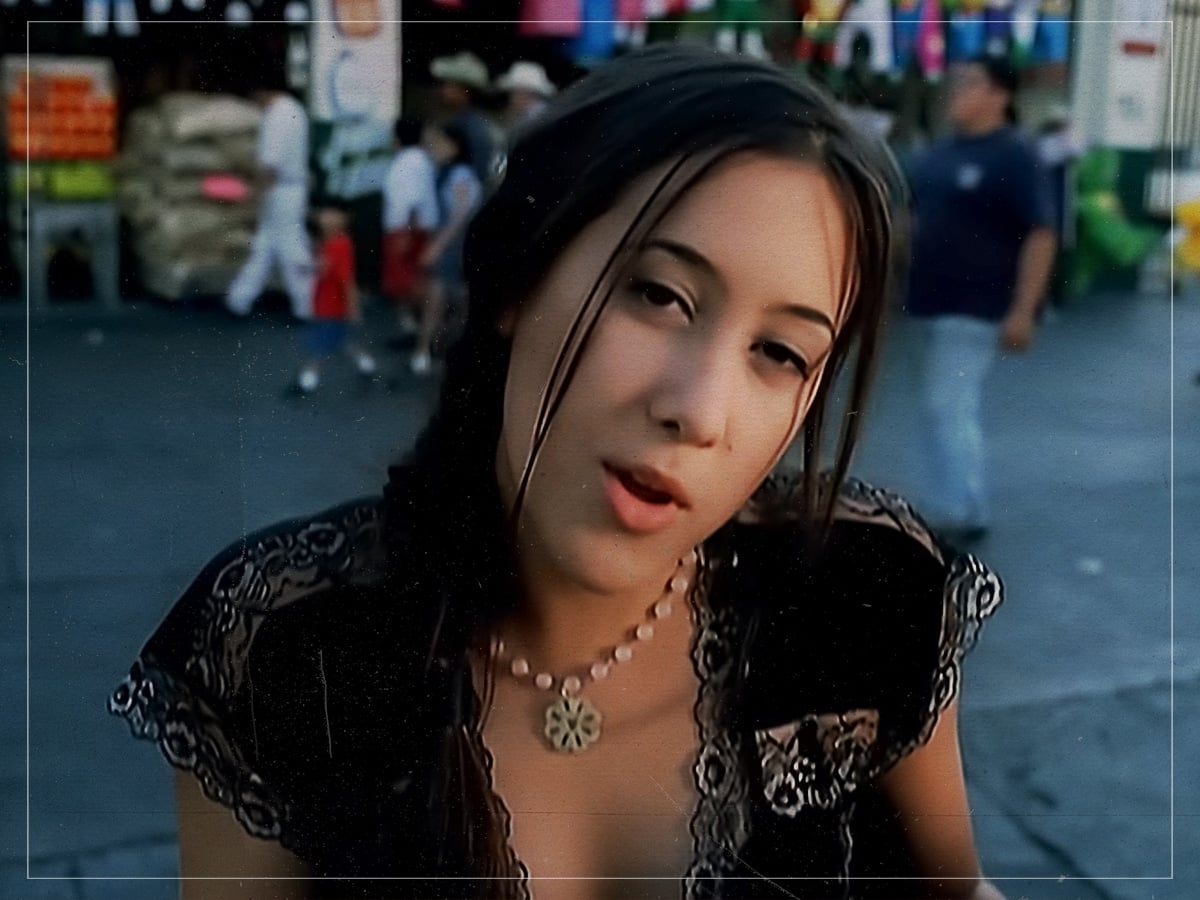
Sometimes, all the musical world is one artist alone with their instrument, pouring their heart out and making a stadium gig feel like an intimate small room performance. Vanessa Carlton managed to tap into this desire by positioning herself as a heart-wrenched songwriter, pouring it all into the piano upon which she wrote the melody.
Its one-hit wonder status requires a lot less head scratching than most of the others. It’s a simple song of longing, laid on top of a relatively inoffensive piano melody; perhaps the only confusion comes from why this song, as opposed to the countless others like it? Well, its use in the cult film White Chicks certainly helped it along the way, with the hyper-masculine Terry Crews singing along to it and thus proving it really is a song for everyone.
Gotye – ‘Somebody That I Used to Know’
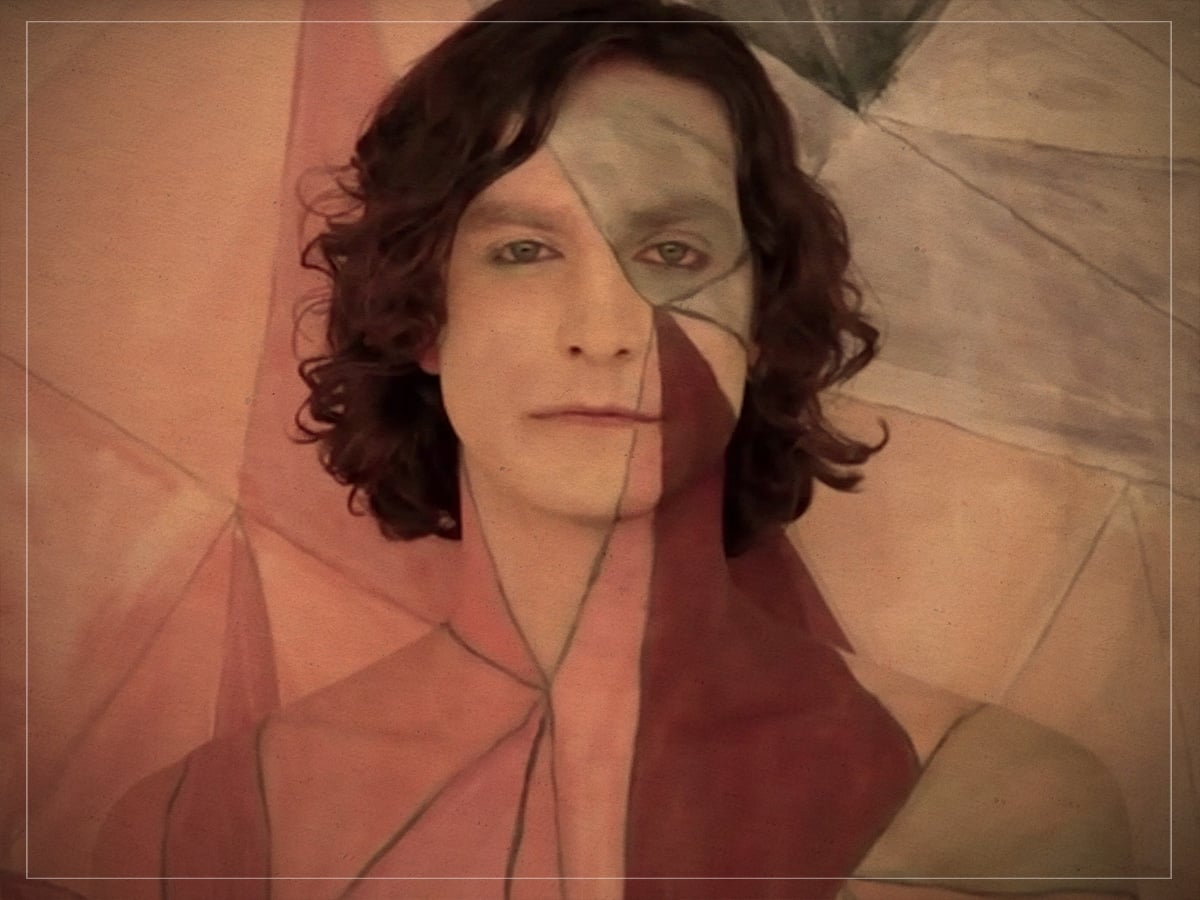
“If I was to become a one-hit-wonder, I’d be in some good company,” Gotye once said, in response to the bemusing and overwhelming success of his 2011 hit. So clearly he anticipated being bundled onto a list like this when his folk-tinged pop hit stormed to the top of the charts and soundtracked a rather bizarre period in mainstream music.
In the 2010s, music didn’t know if it was coming or going, staying with the authenticity of live instrumentation or diving headfirst into the artifice of EDM. There was no real identity to pop music in that year, and so ‘Somebody That I Used to Know’ served as a perfect soundtrack to a musical world in limbo, slipping through the cracks and becoming an unlikely hit. So unlikely, in fact, Gotye simply didn’t know how to follow it up.
Dexys Midnight Runners – ‘Come On Eileen’
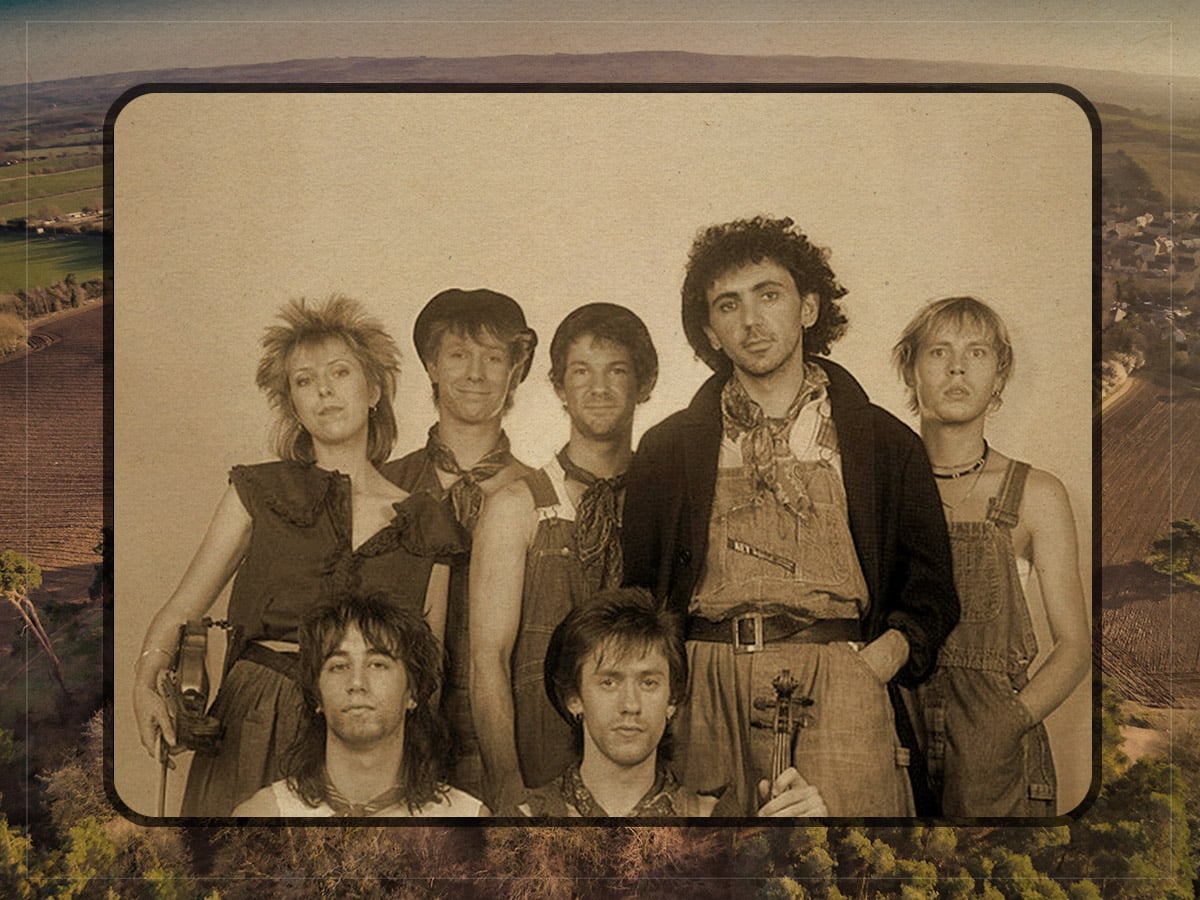
While the band had several other hits in the UK, this served as their major breakout in the US, hitting the Billboard number-one spot, and even though they garnered some domestic popularity, there are many Dexys Midnight Runners gigs where large portions of the crowd go to sing along to the chorus of the one song they know. In fact, a large portion of those fans probably only know the three words, for the catchiness of the song comes less from the lyrics, but from the melody and rhythm, which rang through the global music consciousness like a football terrace anthem.
And the band knew it, as Kevin Rowland explained, “Lots of records we liked had that ‘Bomp ba bomp, bomp ba bomp’. We felt it was a good rhythm. We came up with the chord sequence ourselves and just started singing melodies over it. I remember thinking, ‘We’re really onto something here’. I came up with that, ‘Too ra loo ra’, and I remember thinking, ‘Wow, this is sounding really good’. You get a feeling when you’re writing a song. Something happens. And in the end, it kind of finished itself.”
The Proclaimers – ‘I’m Gonna Be (500 Miles)’
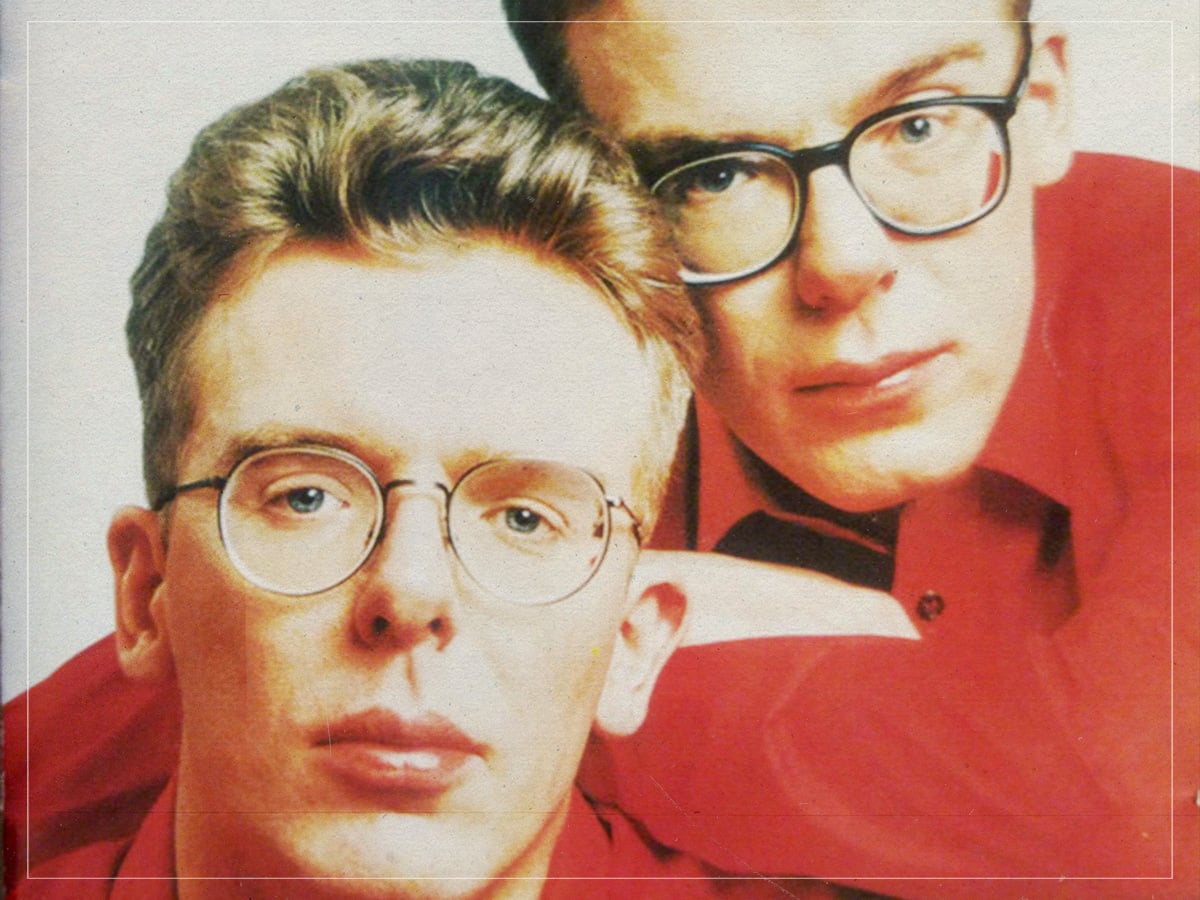
There’s an ease to listening to a one-hit wonder, a familiarity that doesn’t challenge the mind but instead infects it, and has you singing the melody within seconds of hearing it. Most of those have been conjured up with similar efficiency, almost like they fell out of the sky and onto the lap of a musician, whose sole job was to deliver it to the public.
That was the case for The Proclaimers, whose endearing yet wildly simple hit was written out of simplicity also, as Craig Reid explained, “I can remember sitting at the piano, and the chords just came to me. I reckon I just wrote the whole thing in 45 minutes. I knew that it was a good song, maybe even a single, but I had no idea how popular it would become.”
Vanilla Ice – ‘Ice Ice Baby’
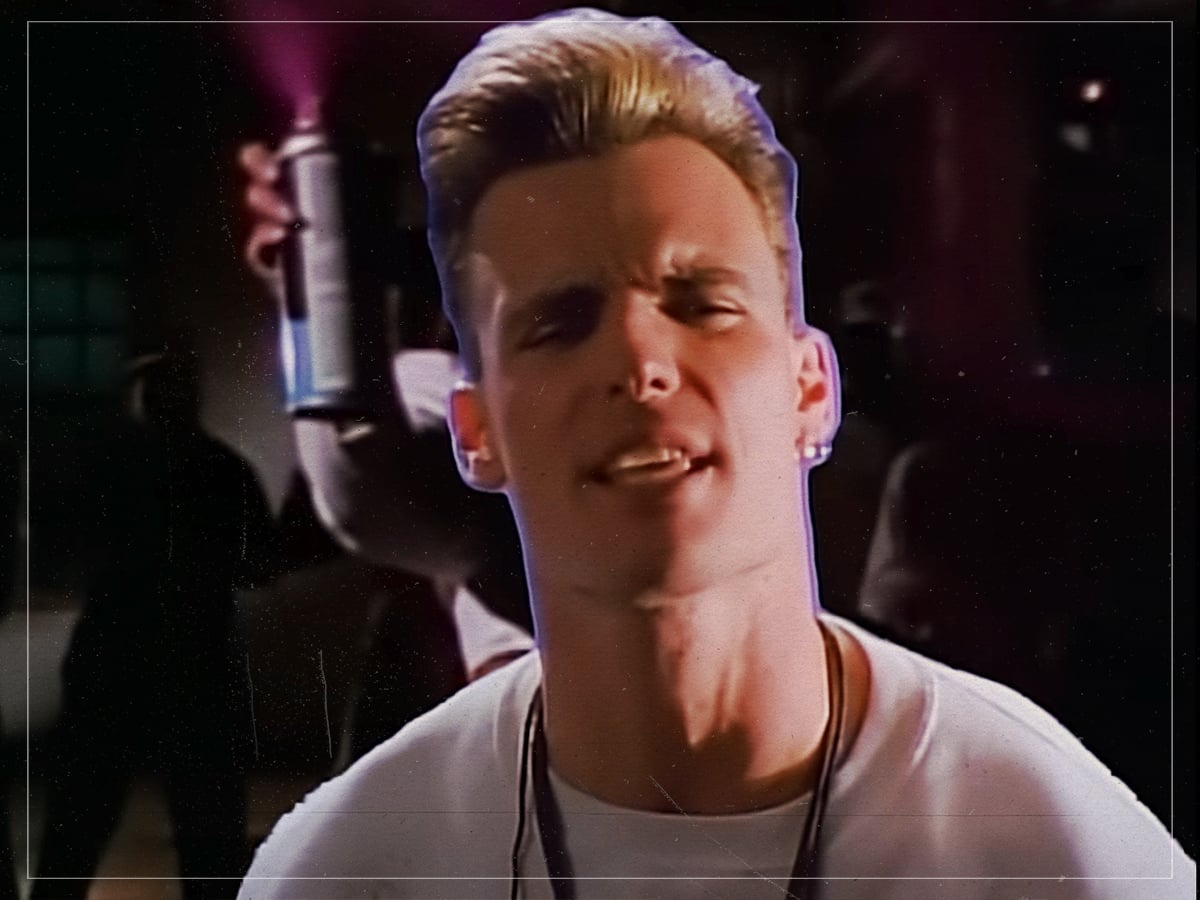
It’s not groundbreaking to claim that the success of a one-hit wonder is firmly rooted in the catchiness of its hooks. A small note sequence, often delivered through the vocals, worms its way so far into your ear that it becomes a part of your vocabulary. I’m sure there are children on this earth who managed to conjure up the melody of Vanilla Ice’s famous chorus before they could even utter their first word.
But that’s also because of its rather overt sample use. Despite never getting permission to do so, Vanilla Ice sampled the 1980 song ‘Under Pressure’ by Queen and David Bowie and ultimately tapped into the musical subconscious of a rock-loving world and dragged them over to his world of pop crossed with rap.
A-ha – ‘Take On Me’
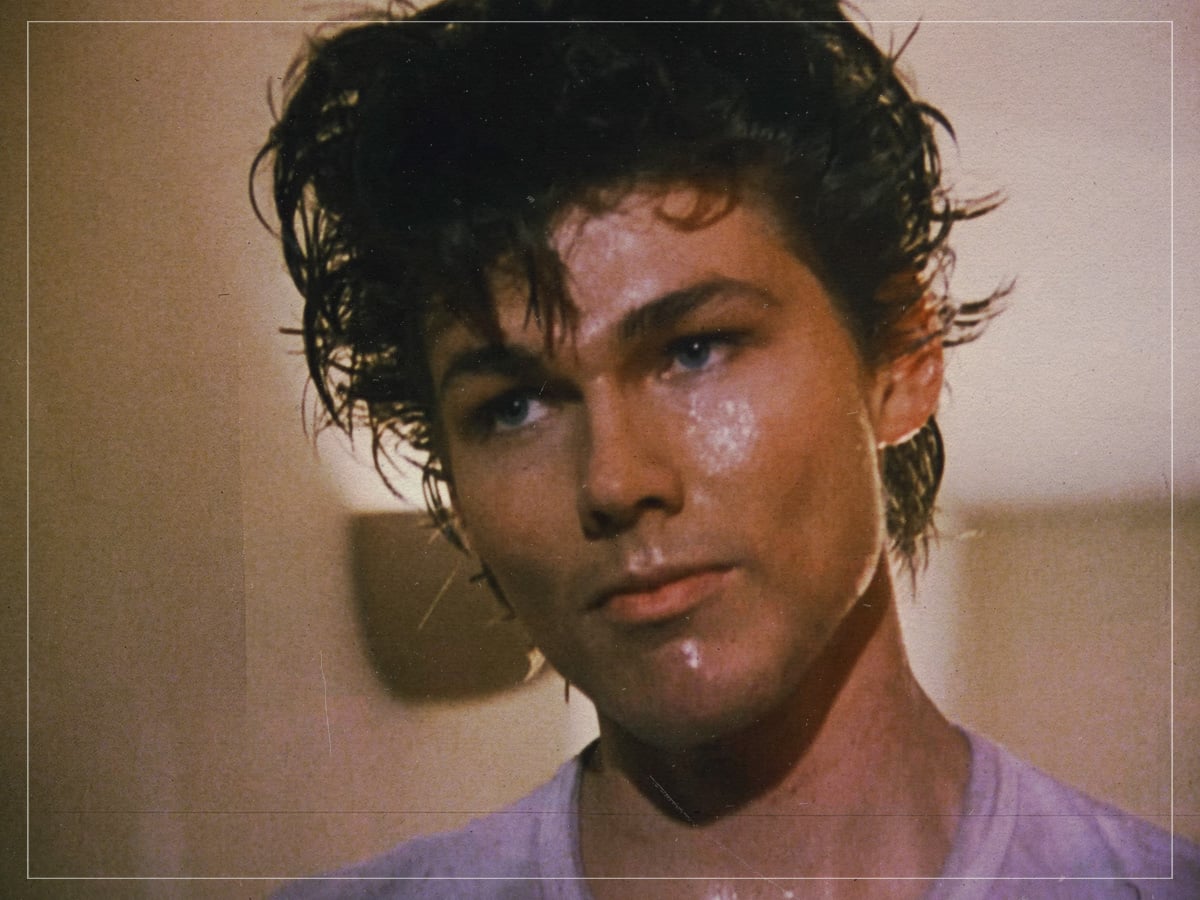
This was a track that saw the emerging worlds of music video converge with a chart-topping success. This dramatic piece, in which the protagonist, A-ha’s lead singer Morten Harket, is beckoned by a cartoon figure who wants him to join them inside the comic, is a suitably ambitious video attempt for a decade obsessed with the new technology at their disposal.
Then, of course, there was the high note. The vocal crescendo that simply infected the ear of every listener and had them desperately trying to replicate it as a symptom. Its one-hit wonder status is largely rooted in its enduring popularity at karaoke bars, and despite carefully trying to replicate that, A-ha simply never could.
Chumbawamba – ‘Tubthumping’
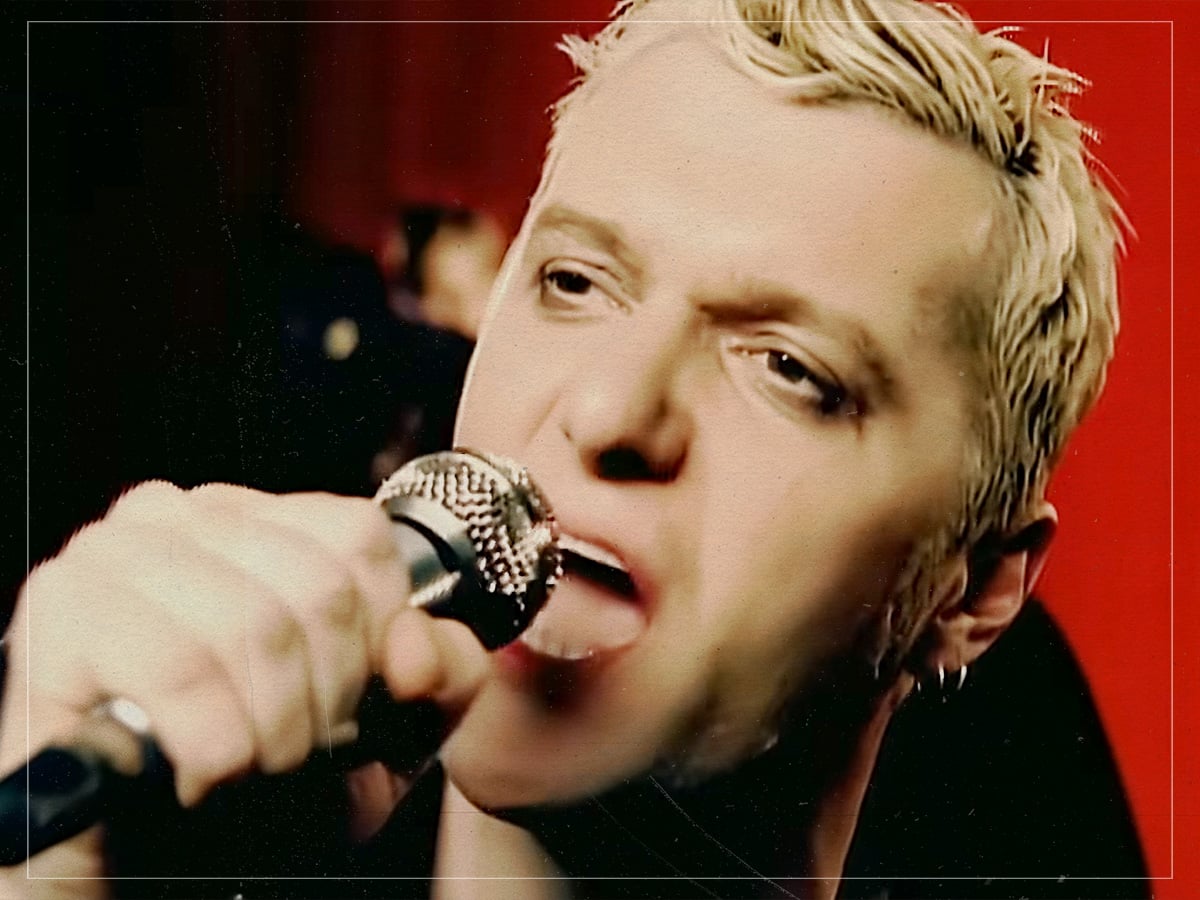
When I say a one-hit wonder plagues the primary school disco like no other song, I have Chumbawamba’s ‘Tubthumping’ solely in mind. The halcyon days of my life were spent dancing to this song in a flame-printed shirt, before stomping over to the tuck shop to raid them of their fizzy laces. In many ways, it’s the soundtrack of ‘90s pop bliss.
But maybe the reason why it catapulted the band to the top of the charts, after years of toiling away, was its movement in them finally ‘selling out’. After building up a pretty solid revolutionary reputation for songs that contributed to a compilation named Fuck EMI, the band then signed with EMI to release this and ultimately saw them giving in to the glossy opportunity of chart success.
