


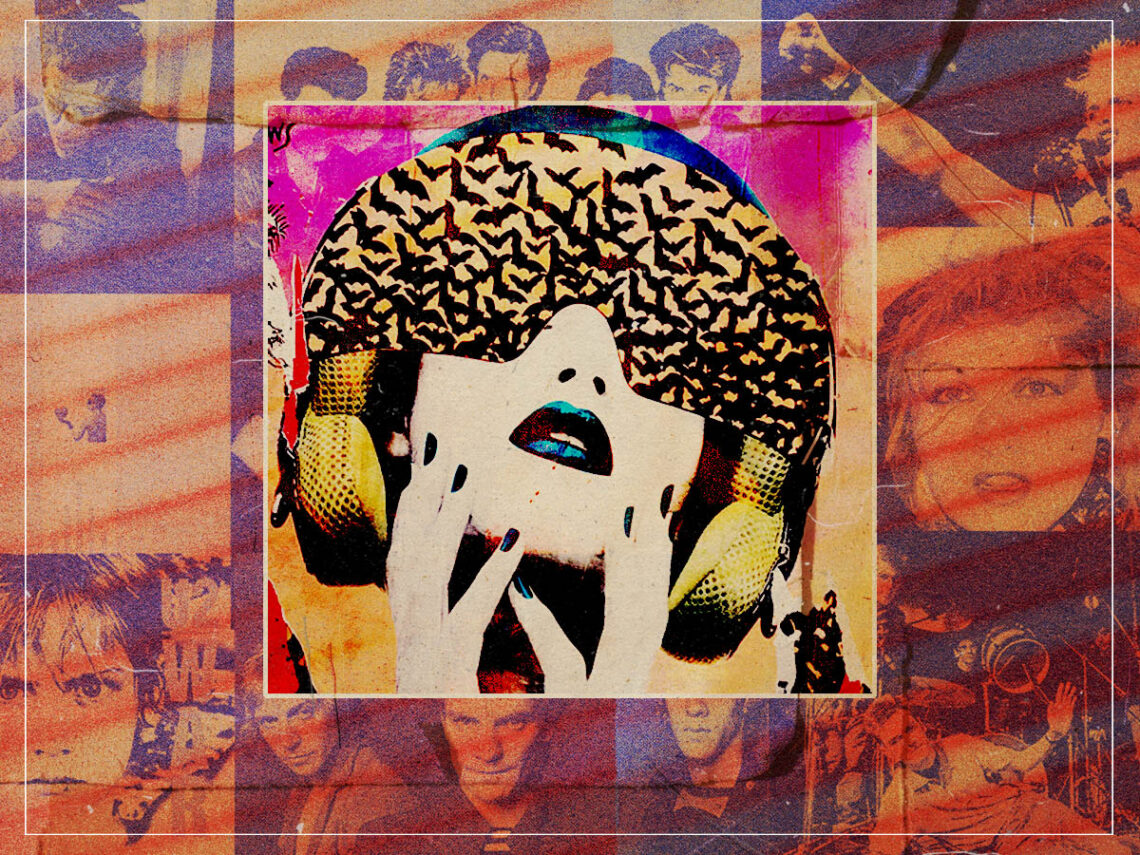
Lust, Dominion, and Blasphemy: the story of 1983 in music

1983 was dubbed the year music lost its mind. Pop wasn’t the same old thing anymore – it was like a bunch of quirky cousins, with rock making big strides while electronic and synth songs ruled the roost. Many of the most defining trailblazers decided against the same, tired old cookie-cutter approaches and dropped some of the most iconic tunes. On top of all of that, it was a wild mix of politics, drugs, sex, music, and fashion.
The 1980s were marked by significant social and political events, including the Cold War tensions, the rise of conservative politics under Ronald Reagan and Margaret Thatcher, and the ongoing struggle for civil rights and equality. At the same time, synth-pop was rising from the ashes of prog-rock and the new wave movement of the late 1970s. The rock ‘n’ roll lifestyle was about as normalised as Jimmy Savile hosting Top of the Pops, and artists didn’t care so much when commenting on mental and physical health.
“Have you taken steps to protect your voice?” NME asked Tom Waits in 1983. “Protect it from what?” He asked. “Vandals?” The mainstream musical landscape was a place where the absolutely absurd, occasionally deep, sometimes downright bizarre, and at times surprisingly smart ventured to hang out — a microcosm of cultural boundary-pushing about as vibrant and conventionally challenging as Robert Smith performing ‘The Lovecats’ on TOTP that year.
While outfits like Depeche Mode, Eurythmics, and Duran Duran supercharged electronic mainstream music, those occupying rock spaces showcased the powerful amalgamation of seamless musical blends and music as a tool for inciting change. U2’s ‘War’, for instance, showcased the band’s anthemic sound and socially conscious lyrics, while David Bowie’s ‘Let’s Dance’ marked a departure into danceable pop-rock territory, earning him commercial success and critical acclaim. The Police’s ‘Synchronicity’ further blurred the lines between rock, reggae, and new wave, while their song ‘Every Breath You Take’ proved the unrelenting appeal of timeless love ballads.
The year was also a time of increased awareness of globalisation and cultural exchange, with artists from around the world contributing to the rich tapestry of musical styles and genres. From the reggae-infused rhythms of Bob Marley to the inspired melodies of Bollywood, music in 1983 reflected a diverse array of influences and perspectives, transcending borders and uniting audiences across continents.
Similarly, music trends kept serving up tunes packed with hidden desires, like the previous year’s ‘Hungry Like The Wolf’ paving the way for many to come. With its catchy keyboards and killer guitar riff, it became the anthem for those wild, carefree vibes of ’80s pop, similar to the notorious, albeit endearing atmosphere generated in Billy Idol’s ‘Flesh for Fantasy’.

This wasn’t the only way artists celebrated sexual liberation and lust; there was also a somewhat unspoken desire to parade sensuality in a way that overtly went against the grain, whether it was David Bowie’s continuation of androgynous and flamboyant presentation during his Serious Moonlight Tour, or performers like Dave Gahan reinventing what it meant to be a “serious” frontman with charm.
At the same time, there was this constant rebellious vibe against the higher-ups, with more musicians daring to call out journalists or people in power. Cyndi Lauper hit back at misogyny with her feminist pop hit ‘Girls Just Want To Have Fun’ after various comments claiming she performed “like a boy”. However, there was also an underlying dismissive nature that various stars perpetuated in favour of the more dominant, less risky heterosexual language. “I don’t recognise such terms as heterosexual, homosexual, bisexual,” The Smiths’ frontman Morrissey once declared. “These words do great damage; they confuse people, and they make people feel unhappy, so I want to do away with them.”
Although his seemingly odd words came in 1985, it was in 1983 that his band released ‘This Charming Man’, a song which sounded virtually nothing like that which came before, propelling Morrissey to a new pedestal where his views and opinions, at this time anyway, meant something to someone…probably. Of course, in 1983, you could also count on the music industry to consistently remind listeners of the importance of enjoyment and partying, as evidenced by Dexy’s Midnight Runners and the 1982 song that would become immortalised by time.
“And though spiritual seduction might seem more my aim, right now I just want to take off all your clothes and do something dirty to you,” they wrote on the ‘Come On Eileen’ 12-inch sleeve, which became a number one hit the year following its release. While 1983 churned out some of the best tunes we’ve ever heard, culturally, things got a bit complicated with emerging crises and the Satanic Panic scare. Many of the claims from that time have been proven bogus, but back then, it fed into the widespread social freak-out that defined the era.
Summing up 1983 isn’t easy, but its impact lasted longer than most other years, before or after. From the glittering pop anthems to the pulsating beats of hip-hop, the era was defined by its diversity, innovation, and cultural vibrancy. In short, 1983 reminded us of the enduring power of art to inspire, provoke, and unite us in the shared experience of being human.
