


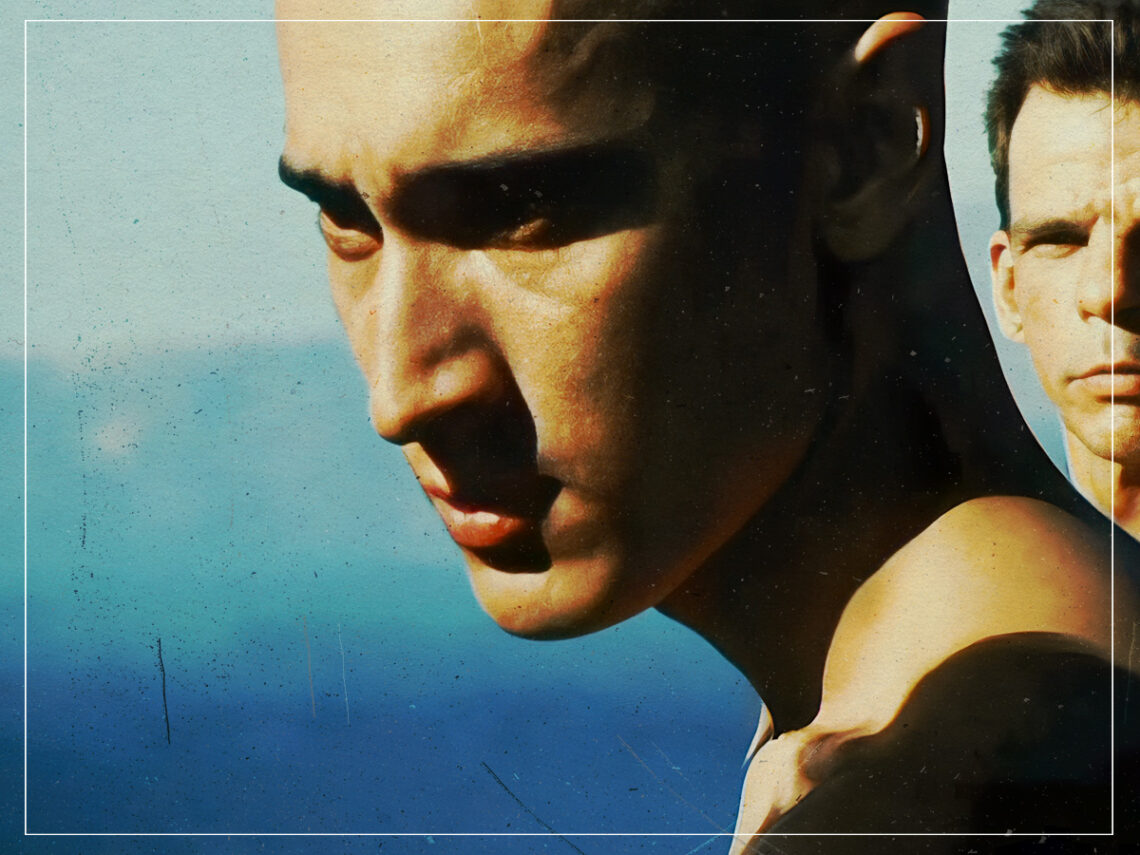
The spontaneous editing decision that changed cinema forever

The importance of Claire Denis’ 1999 film Beau Travail cannot be overstated, with the director forever changing cinema through her hypnotic portrait of masculinity and sexual repression. Since the beginning of her filmmaking career, her stories have often honed in on matters relating to gender identity and desire, something that can be found in early works such as U.S. Go Home and I Can’t Sleep, with the former following a young teenage girl who decides to have sex for the first time while at a house party with her brother.
Together, her collective works form a subtle yet complex web that gently explores how our truest desires are restrained by societal expectations and the interior world of characters struggling against these limitations, leading to dark and mesmerising tales about those who inwardly grapple with these ideas.
However, while she has touched audiences through films like High Life, Let The Sunshine In and Trouble Every Day, it is Beau Travail that remains as the most staggering stroke of genius from her filmography, with one particular scene standing out that was allegedly a happy accident during the edit.
Beau Travail follows former Legion Officer Galoup as he recalls his time at the Gulf of Djibouti military base camp. His life was ordered and regimented before the arrival of a new recruit, Sentain, who disturbs his carefully controlled facade. There have been many theories about the meaning behind this relationship, with some interpreting it as a queer allegory, with Galoup being unable to process his sexual attraction towards Sentain and so he expresses it as anger and jealousy.
However, there is an undeniable element of masculine frenzy at play, with Denis showing how these men are trapped in the cage of their own bodies, defined by their physical strength and becoming limited in their expression of emotional vulnerability. Denis crafts images that are both harsh and soft, capturing the capability for vulnerability and violence that these men possess and how it is restricted, only allowed to act on one side of themselves and forced into a mould that represses their humanity.
This is perhaps best encapsulated during the final scene, in which Denis implies that Galoup is about to kill himself after the disgrace of being dismissed from the camp, but instead ends on a flashback, reverting back to a previous scene in which Galoup dances freely in a night club.
The film would end on a very bleak note had it not been for the decision to end on this moment, creating a much-needed emotional catharsis as Galoup finally lets go and allows himself to escape from the masculine facade. However, there are rumours that Denis originally intended to end with Galoup’s suicide, but during the edit, reinserted footage from the dance sequence at the end to see how it would play out and fell in love with it.
It’s a moment of pure ecstasy, with Galoup breaking free from his stoic presentation of physicality and infusing his dance with passion and unbridled joy, beautifully contrasting with his death and the quiet image of a tendon beating inside his arm. Without this ending, the film would be changed in ways that is hard to comprehend, and the spontaneity of this decision is perhaps what changed the course of cinema forever.
