


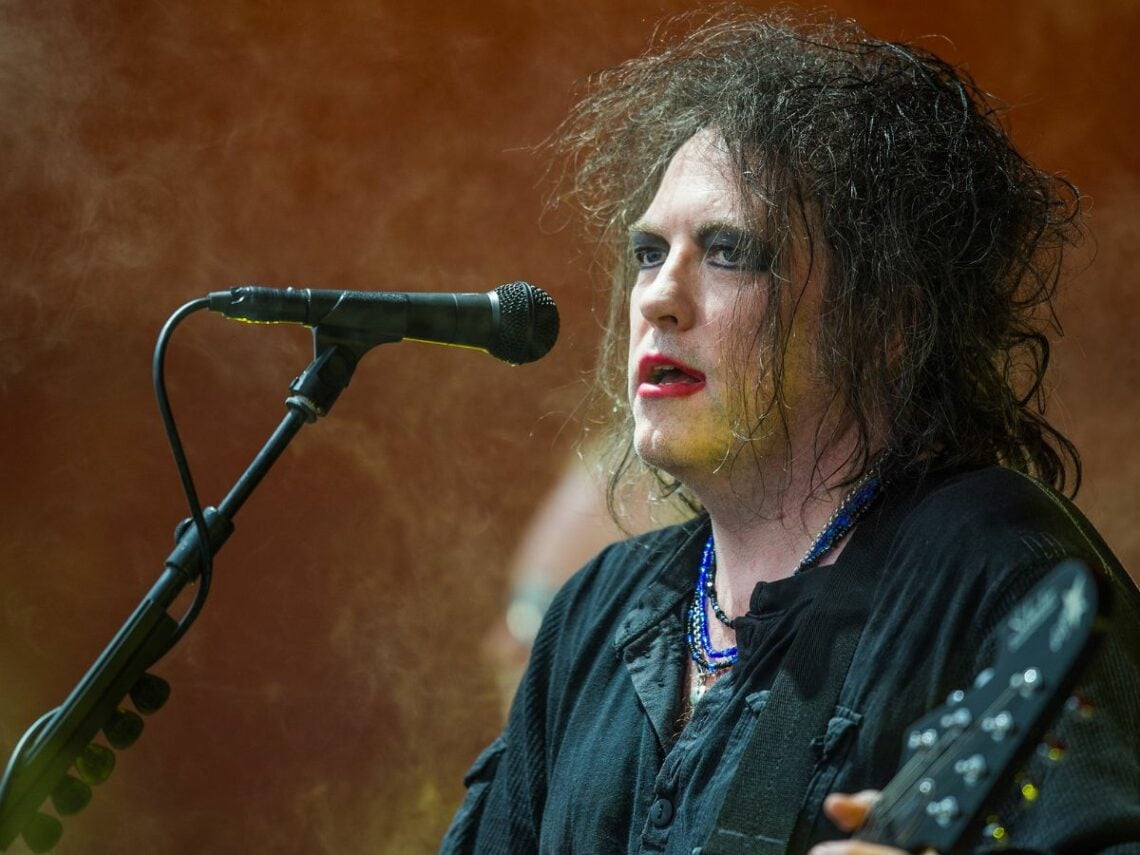
The 2000 song that stopped Robert Smith from splitting up The Cure: “I was really disenchanted”

Few bands of world-famous stature have the rare enjoyment of releasing no terrible albums, and I’d count The Cure among this lucky set.
The band started in a time far from our own—1976, to be exact—in a place not typically known for producing superstars, Crawley. After their 1979 debut, Three Imaginary Boys, they grew as goth pioneers before breaking into the mainstream, with frontman Robert Smith regarded as one of the best to ever do it.
What has always separated The Cure from many of their contemporaries is their refusal to stand still. Rather than settling into one identity, the band continually evolved, finding new ways to expand their sound while retaining the emotional core that made them distinctive.
Led by their only continuous member, frontman, guitarist and the brains behind the operation, Smith, The Cure’s arc is a fascinating one. In their time, the group have explored a glorious selection of heady and dramatic sounds. They started in a more straight-up post-punk real; after, they blended it with psychedelia and heavy dashes of the nascent goth form to get their distinctive sound. Since then, they’ve utilised electronic, baggy, art-rock, industrial, and other textures to keep pushing themselves forward.
How many outfits have returned after the best part of 20 years and released one of the best records in their history? A handful, if that. However, on November 1st, The Cure delivered their 14th studio album, Songs for a Lost World, a stunning body of work that confirmed that Smith and the band’s musical greatness had not been diminished by the continual lashings of time. It is, without a doubt, the most refined record in their oeuvre, and it updated The Cure’s usual gothic beauty to sublime heights, with a new space rock vibe added to the mix. Mediative and all-encompassing, it’s safe to say it was worth the wait.
While The Cure has been adept at retaining a level of consistency seldom seen in music, which comes despite Smith’s well-publicised problems with drug abuse, inter-band schisms, and changing listener attitudes, there have been times when he has considered bringing the curtain down on the project due to purely artistic reasons.

With The Cure being away for 16 years before they released their most recent effort, it makes you wonder how close he was to folding the group during that span, particularly when you take into account the fact that their longtime bassist, Simon Gallup, strangely announced his departure in 2021 and then maintained he was still in the band only a few months later. “Just got fed up of betrayal,” he wrote online, pointing to how notoriously fractious the goth outfit have been over the years.
Regardless of all the infighting and general ill feeling the band has experienced, Smith has kept them pushing on. However, as The Cure neared a quarter of a century with the dawn of the new millennium looming, the frontman felt that maybe time was finally up for the band.
They’d enjoyed a tremendous resurgence in the 1990s, thanks to 1992’s Wish, which produced ‘Friday I’m in Love’ and made them a household name, but by the end of the decade, things felt stale. Fresh musical forms were emerging, and tastes were moving with them. They’d always kept up with the times, but now Smith felt creatively empty.
Due to key lineup changes and the implementation of computers in production as well as the newfangled DAW, Cubase, the follow-up to Wish, 1996’s Wild Mood Swings, felt disjointed, fitting the title, and Smith thought the group had pushed themselves as far as they could go on the previous record. That meant he felt directionless when they came to do the next album, 2000’s Bloodflowers, across 1998 and 1999.
However, after writing with no commercial songs in mind and aiming for a much shorter duration, Smith started to feel refreshed. The start of this process was the dramatic title track, which used a quote from painter Edvard Munch to discuss the relationship between pain and art. Fittingly, he wrote the track when he was “really disenchanted” with The Cure, but it ultimately changed his mind.
Smith told the Chicago Tribune in 2000: “‘Bloodflowers’ was written during a period when I was really disenchanted with the group and had no intention of carrying on. But the process of making it changed my mind.”
The song ‘Bloodflowers’ was the shot in the arm Smith needed. It was a return to form. He later said it was the best time he had making an album since 1987’s Kiss Me, Kiss Me, Kiss Me. The key to it all was to enjoy the process, which, in turn, led to honest, emotional content, accomplished without pushing his brain and body to the brink.
In hindsight, Bloodflowers became more than just another entry in The Cure’s catalogue. It served as a creative lifeline, reminding Smith why the band existed in the first place and ensuring that their story would continue into the decades that followed.
