


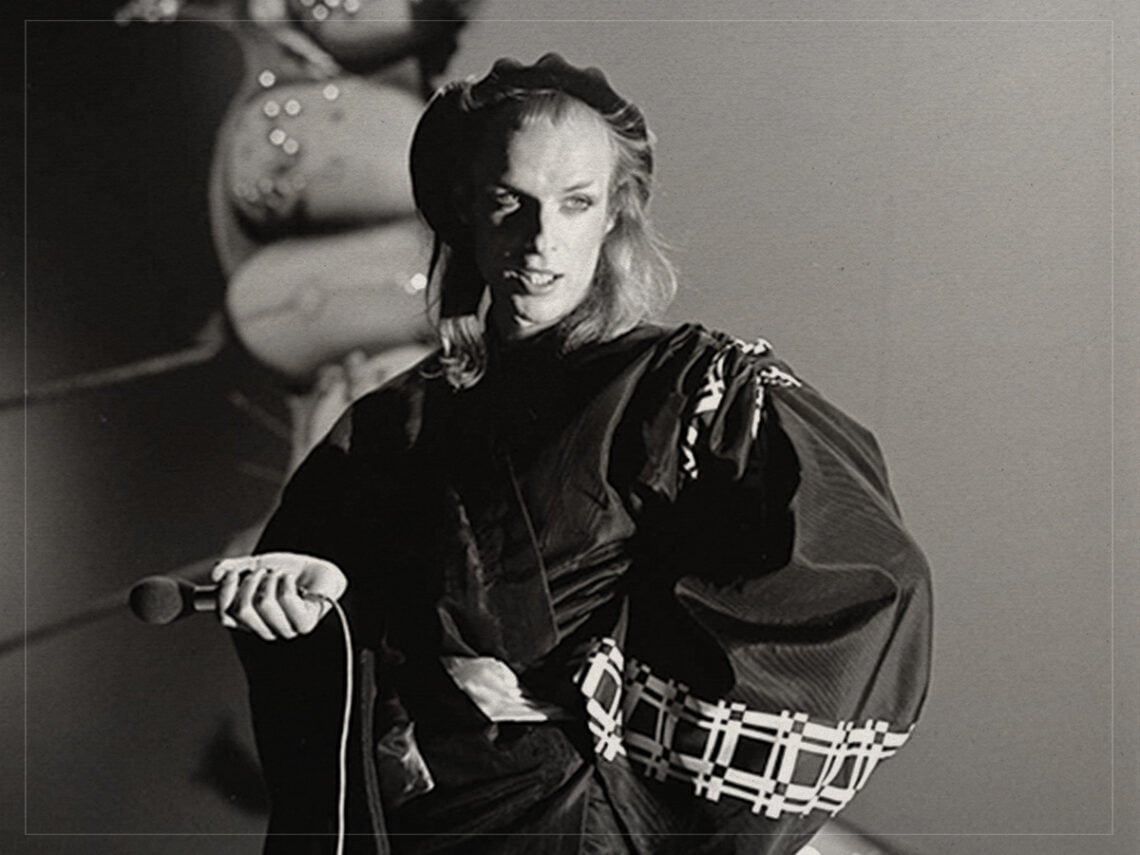
The most committed artist Brian Eno ever worked with: “He really thought about what he was doing”

Falling walls, art, glamour, and heroes: Berlin was a place that changed the life of Brian Eno, in every sense of the word.
But then again, it wouldn’t have altered him at all if David Bowie hadn’t been by his side through it all. Together, they became prolific in creating the Berlin trilogy out of the tales of their exploits – Low, Heroes, and Lodger all stand as the most significant entries to the Starman’s songbook that he ever created, and no small part of that was down to Eno.
That said, it wasn’t all just sex and drugs and partying. Their shared time in Berlin allowed the former Roxy Music keyboardist an intimate and personal view of Bowie that he would rarely ever allow anyone else to see, so their working relationship was as much of a privilege, in hindsight, as it was a spur-of-the-moment affair at the time.
Whether he realised it or not at the time, this was something Eno came to reflect deeply on in retrospect, once Bowie had been enshrined in a case of rock godliness that many could only dream of having touched. To him, it was more than clear that this was just his old mate, but even still, there was no way anyone could ever go blind to that brilliant artistic spark.
Indeed, when all was said and done, that was the one overriding thing that the musician’s collaborative muse remembered – and admired – most about his partner in crime. Calling Bowie “one of the most committed artists I’ve ever worked with,” Eno said this dedication ebbed from him “in the sense that he really thought about what he was doing”.
It seems a boringly obvious statement to make on the face of it, but truly drilling down into the genesis of what Eno was saying, it actually summed up everything Bowie was in a nutshell. He was effervescent, gregarious, supposedly spontaneous, but the reality was that every move was thought out and planned down to the last meticulous detail, whether it was in the studio or in any one of his beguiling personas.
Eno could tell story after story about the minute and precise decisions Bowie made just to make his tracks that tiny bit more polished or expansive – they might not have seemed like major moves at first, adding in some extra sound effect or layering in another vocal, but cumulatively they symbolised a true artist, with the most acerbic eye and powerful intuition.


That was what made Bowie so quintessentially mesmeric to anyone who had even heard a single one of his songs, but for the man who enjoyed the honour of actually witnessing the hours spent cultivating that magic, understanding the mechanics never took away from the other-worldly mirage.
If anything, it only increased the sense of wonder and spectacle that surrounded Bowie, even if he knew the real Davy Jones behind it. But none of his songs or records appeared with just some miracle – it was the sheer dedication and commitment that set the man apart from the rest, and would continue to do so for time in continuum.
