


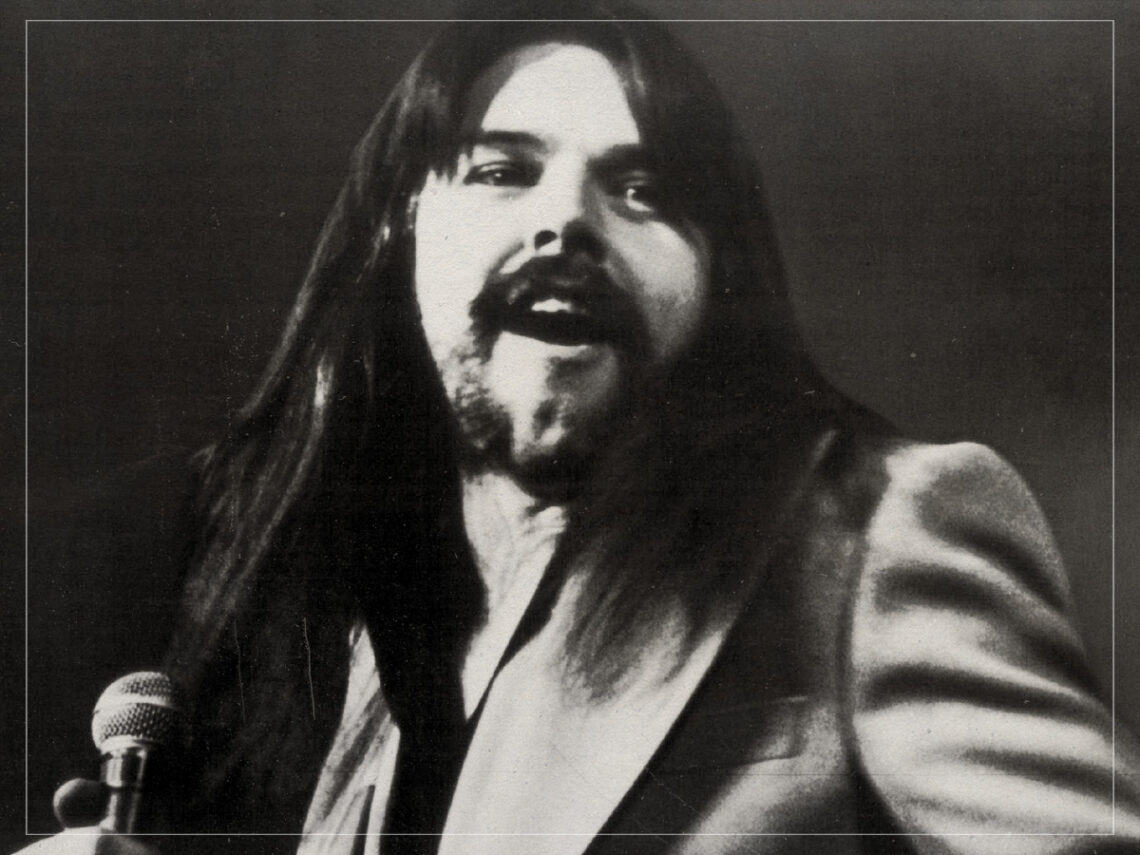
The big mistake in ‘Night Moves’: The song Bob Seger was humming in 1962 was actually released in ’63

Some of the best songs in history have occurred at or been inspired by late-night ponderings, when dim lighting and softened moods make us our most romantic and self-reflective. Bob Seger is no different, once claiming his masterpiece ‘Night Moves’ came from late-night rumination and “the uncertainty night represents”.
“I was thinking about the whole aura of nighttime,” said Seger, “The four o’clock in the morning moment when you assess yourself, check your weaknesses”.
Inspired by American Graffiti and the freedom and excitement of self-discovery in youthful romance, ‘Night Moves’ is a personal account of Seger’s own upbringing, navigating his own coming-of-age and relationship with a girl he slept with in the backseat of his “’60 Chevy” before she married her boyfriend, who was serving in the military, leaving Seger with his “first broken heart”.
However, rather than dwelling too much, the song tonally shifts somewhere lighter, reflecting not just the perils of falling in love when you’re young and know very little about the world, but also the lack of consequences that come with being free and naive. At the time, Seger also took some liberties with the story, throwing in different ideas in the creative flow of the moment whenever they made sense.
For instance, everybody’s favourite moment in the song is the bridge when Seger sings, “I woke last night to the sound of thunder”, a line he and producer Jack Richardson came up with on the spot while recording the song in the studio. Most of the arrangements also came together in this free-flowing environment, the structure loosely inspired by Bruce Springsteen and by how songs like ‘Jungleland’ explored unusual styles and turns that took you on an unpredictable journey.
This also improved the general feel of the song, intentionally designed to play out like an anecdotal conversation and taking on the different cadences you might expect when venturing down memory lane with an old friend. After all, what most people love about ‘Night Moves’ isn’t just the nostalgic tone or the gorgeous melody, but the way it also feels like a story you’re hearing in the passenger seat of a car at sunset.
And just like how someone might improvise certain parts of a story, Seger also incorporated elements that feel like they were added on the fly (and some were), giving it a spontaneous feel that makes it more raw and authentic, even on your 100th listen. It’s also a little lyrically vague in places, which isn’t helped by the fact that Seger himself sometimes gets his wires crossed when discussing the song.

For instance, during the bridge section, Seger recalls, “hummin’ a song from 1962”, which he later claimed to have been ‘Be My Baby’ by The Ronettes. Now, this song was actually released in 1963, meaning that Seger either misremembered when it was released or decided later on that that was the song he’d been referring to. But either way, there’s something strangely prophetic about such a blunder, given that the song’s entire theme centres on what you do or don’t remember as you grow older.
Beyond its surface-level tale about youthful sexual desire, ‘Night Moves’ also serves as a tune about the passage of time and how memory shifts and changes as we grow more distant from them and start filling in the blanks to serve whatever emotions we attach to them. And by recalling the hummed song wrong, Seger proves his original point while also reminding us why specific facts aren’t always the most important part of a story.

Never Miss A Tale
The Far Out Classic Rock Newsletter
All the latest Classic Rock content from the independent voice of culture.
Straight to your inbox.