


The queens who made New York the capital of cool in 1910

New York’s cultural imprint has always been resoundingly cool. But decades before the punk explosion of the 1970s saw the likes of the Ramones capitalising on it, another significant artistic movement swept it and was just as quickly swept under the rug of the Big Apple’s history. A group of radical female artists took it by storm in the 1910s, laying the crucial groundwork for the city to become a thriving artistic hub. A group of “bohemian queens” dragged New York into modernity by embracing art, philosophy, and feminist theory.
Lottie Whalen is the writer and researcher behind Radicals and Rogues: The women who made New York modern, a book highlighting their efforts to break free of the monotonous social order of the time. Their strides in the art world had a ripple effect on the culture at large and, as Whalen argues, encouraged women to be “active participants in all aspects of life”. While New York always had a restless creative energy, it lacked the cohesion of its European counterparts.
“There was a lack of expertise and even interest in modern art,” explained Whalen. “It didn’t have that kind of infrastructure to develop young artists, like the salons in Paris“. That’s where the women stepped in. It was only in 1974 that American women were granted the right to open a bank account with a husband’s signature, and yet in the early 1910s, it was women fundraising to support their local art shows.
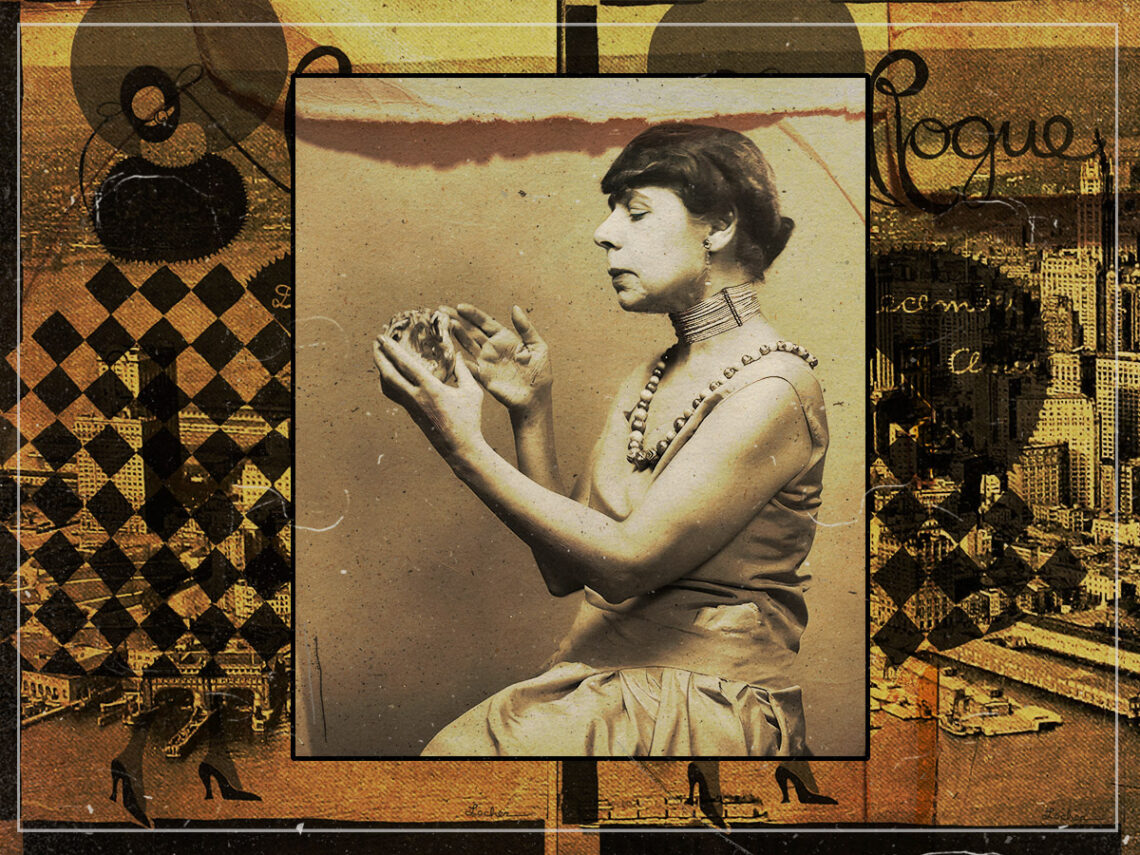
As part of the push for modernity and artistic freedom, hoards of women started moving to Greenwich Village, congregating at feminist cafés like Polly’s, run by anarchist Paula ‘Polly’ Holladay. Elsewhere in the city, women were working on magazines and illustrations. Clara Tice’s drawings in Vogue and Vanity Fair made her the undisputed bohemian queen of the city. Pre-empting the flapper era, she cut her hair into a bob and always drew women doing something, whether it was dancing or driving.
Her drawings had the largely unacknowledged impact of showing women they could dress beautifully and cultivate their own hobbies and interests. “She had this instinctual understanding of the rhythm of modern life which she expressed through her work in a very physical way,” told the BBC. The physical bent of her work also saw her 1914 show of nude artwork at Polly’s shutdown. It had the unintended effect of skyrocketing Tice to fame, and by the ’20s, other female artists were copying her style.
As well as doing artwork for Vogue, Tice regularly contributed to Rogue, the satirical feminist answer to the fashion magazine. Its pages were filled with debates about the role of art and artist, bodily autonomy, and empowerment. Fashion was repackaged as a considered choice that had feminist thought behind it.
There were hundreds of women involved in New York’s cultural upheaval, all of whom have thus far been side-lined in discussions about its legacy. As part of reanimating their story, Whalen says: “We’re still coming to understand how important these women’s work was. There’s still a lot of work to be done. Their legacy continues to unfold in the present day.”
