


The 1970s prog-rock band Ian Anderson transformed by accident

When you think of what life must be like being a rock star on tour, you likely think of the stereotypical sex, drugs and rock ‘n’ roll, but that’s not what you get with Jethro Tull.
While the band might be famous for constantly pushing the boundaries of music and being unpredictable in their sound, that chaos didn’t translate to their tour etiquette. From the 1960s to the present day, life on the road with the band is still a relatively calm experience, as all of their energy is left on the stage, making touring a somewhat chill affair.
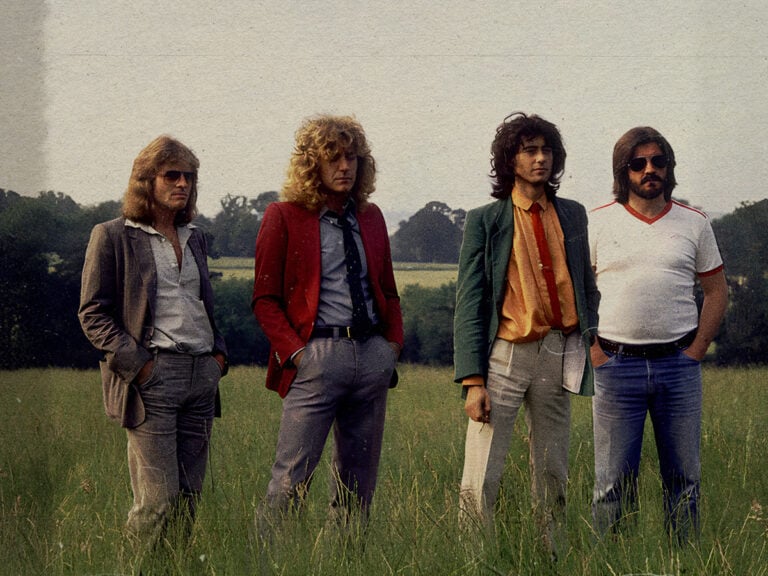
When Jethro Tull went on tour with Led Zeppelin in the ‘70s, the two bands clashed a little. It wasn’t that they didn’t have respect for one another, but their approaches to life on the road were so vastly different that they hardly had anything to talk about. Jethro Tull were happy with being the support act and essentially staying out of Led Zeppelin’s way.
“Led Zeppelin were Led Zeppelin, they were rock gods, and we were the humble support act,” said Ian Anderson, ”We rarely spoke, particularly to Robert, who was on a higher plane, as a vocalist, and as a person. Jimmy Page was a little bit more friendly, but Bonham, you steered a mile away from, because he was a raving nutcase! He was always polite enough to me, but I probably just saw him on a rare good mood.”
You might think that the simple approach to touring seems dull, but the prog-rock band’s longevity speaks for itself. Even now, they’re still hitting the road and still going out on tour, somewhat unified by their normality. There are a lot of bands that could learn something from this approach, which is exactly what happened with Emerson, Lake & Palmer. Anderson had always been a big fan of the band. In fact, before they had even joined forces as a trio, he liked the work that Keith Emerson was doing in the band The Nice, whom he calls a precursor to the prog-rock movement.
Despite being a fan of ELP, Anderson never got the chance to see them live throughout the ‘70s. They operated in similar circles, but were both constantly on tour at the same time and never really crossed paths. ELP first broke up in 1978 after a number of disagreements, both creative and personal, which meant that it was pretty much impossible for them to continue life on the road together.
The band eventually decided to get back together in the mid-1990s, and in doing so, asked Jethro Tull if they were interested in a tour. Of course, Anderson said yes, but was slightly hesitant about what the band would be like together. It turns out, doing shows with Jethro Tull changed them for the better, as when they were exposed to the boring way of touring, they realised that things could actually be pretty civil.
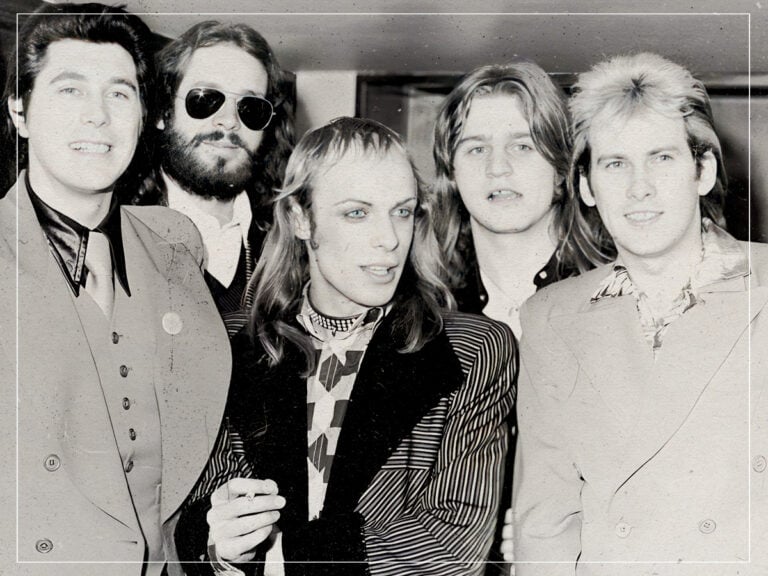

“Second night of the tour,” recalled Anderson, “The head roadie, manager, tour manager, whatever he was, came to me [and] he said: ‘I can’t believe the transformation […] Since they’ve been here on this tour and working with you guys, they’re really nice to everybody all of the time. They’re even nice to each other; they even sit together in catering and eat dinner, and they travel on the tour bus together. How is this happening? What have you done to make them suddenly such engaging and nice people to be around?’”
Anderson said that he and his band hadn’t done anything, but theorised that maybe getting a glimpse of Jethro Tull on tour rubbed off somewhat on ELP. “You know, we’re incredibly boring,” he said, “We don’t stay up all night or do crazy things, everything is calm and relaxed, and people are hopefully nice to each other and looking after things. We kind of embedded our culture I think in that period of revival for ELP.”

Never Miss A Beat
The Far Out Led Zeppelin Newsletter
All the latest stories about Led Zeppelin from the independent voice of culture.
Straight to your inbox.